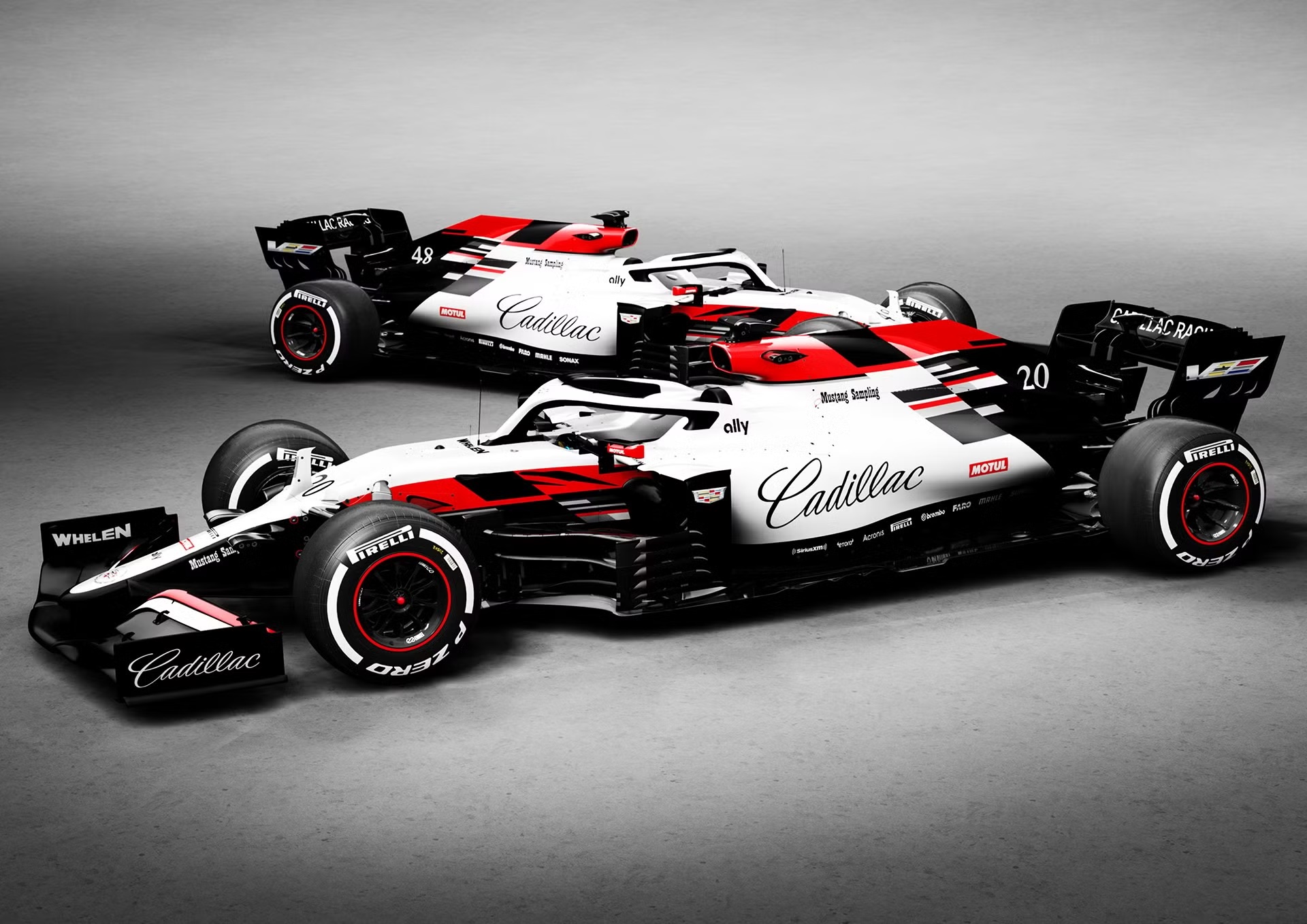
Formula 1 is set to welcome a new contender in 2026 as Cadillac officially joins the grid. This marks a significant moment for both the iconic American brand and the sport itself, as it expands to 11 teams for the first time since the early 2010s. With the backing of General Motors (GM), Cadillac’s F1 venture is poised to bring fresh competition and American innovation to the pinnacle of motorsport.
The Journey to Formula 1
Cadillac’s entry into F1 is the result of a strategic partnership between GM and Andretti Global. Initially, the project faced hurdles, including pushback from existing teams concerned about prize money distribution and competitiveness. However, after extensive evaluations, the Fédération Internationale de l’Automobile (FIA) approved the entry, paving the way for Cadillac’s debut in the 2026 season.
This marks the first new team addition since Haas joined the sport in 2016 and is expected to boost F1’s popularity in the United States, where interest has surged in recent years thanks to Netflix’s Drive to Survive and the addition of races in Miami, Las Vegas, and Austin.
Leadership and Infrastructure
At the helm of this ambitious project is Graeme Lowdon, a seasoned motorsport executive with a history in F1. Cadillac’s F1 operation will span multiple locations, with key development hubs in Indianapolis, Charlotte, Warren (Michigan), and Silverstone in the UK. The team has already assembled a workforce of over 300 engineers and specialists, focusing on aerodynamics, chassis development, software engineering, and power unit integration.
Powering the Future: Cadillac’s Engine Strategy
For its initial seasons, Cadillac will rely on Ferrari power units and gearboxes to ensure competitive performance. However, the long-term goal is for General Motors to develop its own power unit, a process that is already underway. By 2030, Cadillac aims to be a fully independent constructor, manufacturing both chassis and powertrains.
This move aligns with F1’s new engine regulations, set to debut in 2026, which emphasize sustainable fuels and increased electrical power. GM’s expertise in electric and hybrid technology, showcased in vehicles like the Cadillac Lyriq and Chevrolet Corvette E-Ray, could give the team a strong foundation for future competitiveness.
Expanding the Grid: The Impact of a New Team
The arrival of Cadillac increases the number of teams on the grid to 11, meaning the driver count will rise to 22. While some established teams initially resisted this expansion, F1 and the FIA view it as a positive step toward greater global competition.
For American motorsport, Cadillac’s entry is a game-changer. With Haas being the only other American-led F1 team, Cadillac’s involvement adds credibility and could encourage further investment from U.S. automakers. Additionally, this could open doors for American drivers, such as IndyCar star Colton Herta, who has long been linked with an F1 seat.
Looking Ahead to 2026
As the 2026 season approaches, all eyes will be on Cadillac to see how it adapts to the high-stakes world of F1. The brand’s success will depend on its ability to recruit top talent, build a competitive car, and develop a reliable power unit.
With the support of General Motors, an experienced leadership team, and a clear long-term vision, Cadillac has the potential to shake up the F1 grid and bring a new level of American excellence to the sport. Fans worldwide will be eagerly anticipating the first Cadillac F1 car roaring onto the track, marking the beginning of a new chapter in the brand’s illustrious racing history.
Stay tuned as Cadillac prepares to take on the best in the world—2026 can’t come soon enough!