Buying your first exotic car is not like buying a nicer version of a normal car. The money is bigger, the market is thinner, the cars are less forgiving, and the mistakes are more expensive. But if you’re a first-time exotic car buyer, the process itself is learnable — and first-time exotic car buyers who follow a structured approach consistently end up with better cars at better prices than buyers who fall in love with the first listing they see.
Here is the full first-time exotic car buyer process, start to finish.
Table of Contents
The Process in 60 Seconds (Quick Answer)
A first-time exotic car buyer should follow ten steps in order: set an all-in budget (price plus 6–8% tax, insurance, and a 5–10% maintenance reserve), choose a forgiving first model, learn its known issues, shop nationally, scrutinize listings, verify history, always pay for a pre-purchase inspection ($300–$800), negotiate on facts, handle payment and title properly, and transport the car enclosed before baselining it with a specialist. The process typically takes 4–8 weeks done right.
Step
What You Do
Typical Cost / Time
1. Budget
Build the all-in number, not the sticker
+10–18% over price
2. Pick the car
Choose forgiving over flattering
1–2 weeks of honest research
3. Known issues
Learn the model’s failure points
Free — forums and specialists
4. Shop nationally
The right car rarely lives nearby
Transport $1,500–$3,500
5. Read listings
Investigate, don’t browse
Minutes that save thousands
6. Verify history
Title, accidents, service records
$40–$100 in reports
7. PPI
Independent inspection, always
$300–$800
8. Negotiate
Facts from steps 5–7, not feelings
Often pays for the whole process
9. Paperwork
Payment, title, taxes done right
6–8% tax in most states
10. Delivery
Enclosed transport, insure, baseline
First service sets the tone
Step 1: Set Your Real Budget — Not Just the Purchase Price
For a first-time exotic car buyer, the sticker is only the entry fee. Before you look at a single listing, build an all-in number that includes:
Sales tax and registration. In most states, this adds 6–8% on top of the purchase price. On a $250,000 car, that can be $15,000–$20,000 before you’ve driven a mile.
Insurance. Expect a meaningful jump from anything you’ve insured before. Get a real quote on the specific model before you commit, not after — an agreed-value specialist like Hagerty is a good first call.
First-year maintenance reserve. A safe rule for a first exotic: set aside 5–10% of the purchase price for the first year. (For a real-world breakdown, see our 12-month Huracán ownership cost analysis.) You may not spend it. You’ll be glad it exists if you do.
Transport. If you buy out of state — and you probably should be shopping nationally — enclosed transport typically runs $1,500–$3,500 depending on distance.
If the all-in number strains you, buy a less expensive car. An exotic you can comfortably run is a joy. One that stretches you is a countdown clock.
Step 2: Pick the Right First Exotic — and Be Honest About How You’ll Use It
The best first exotic is rarely the one on your childhood poster. It’s the one that matches how you’ll actually drive.
Daily-usable and forgiving: Porsche 911 Turbo, Audi R8, Aston Martin Vantage, Lamborghini Urus. These start cold, handle traffic, and don’t punish you for using them.
Weekend car with real drama: Lamborghini Huracán, Ferrari 488, McLaren 570S or 720S. More theater, more maintenance attention, more care required in daily conditions.
Proceed with experience: Older V12 Ferraris, gated-manual anything, low-production track specials. Wonderful cars. Not first cars.
A useful filter: if you’ll drive it less than 1,500 miles a year, buy for emotion. If you’ll drive it more, buy for usability — the emotional cars punish daily use, and the usable cars reward it.
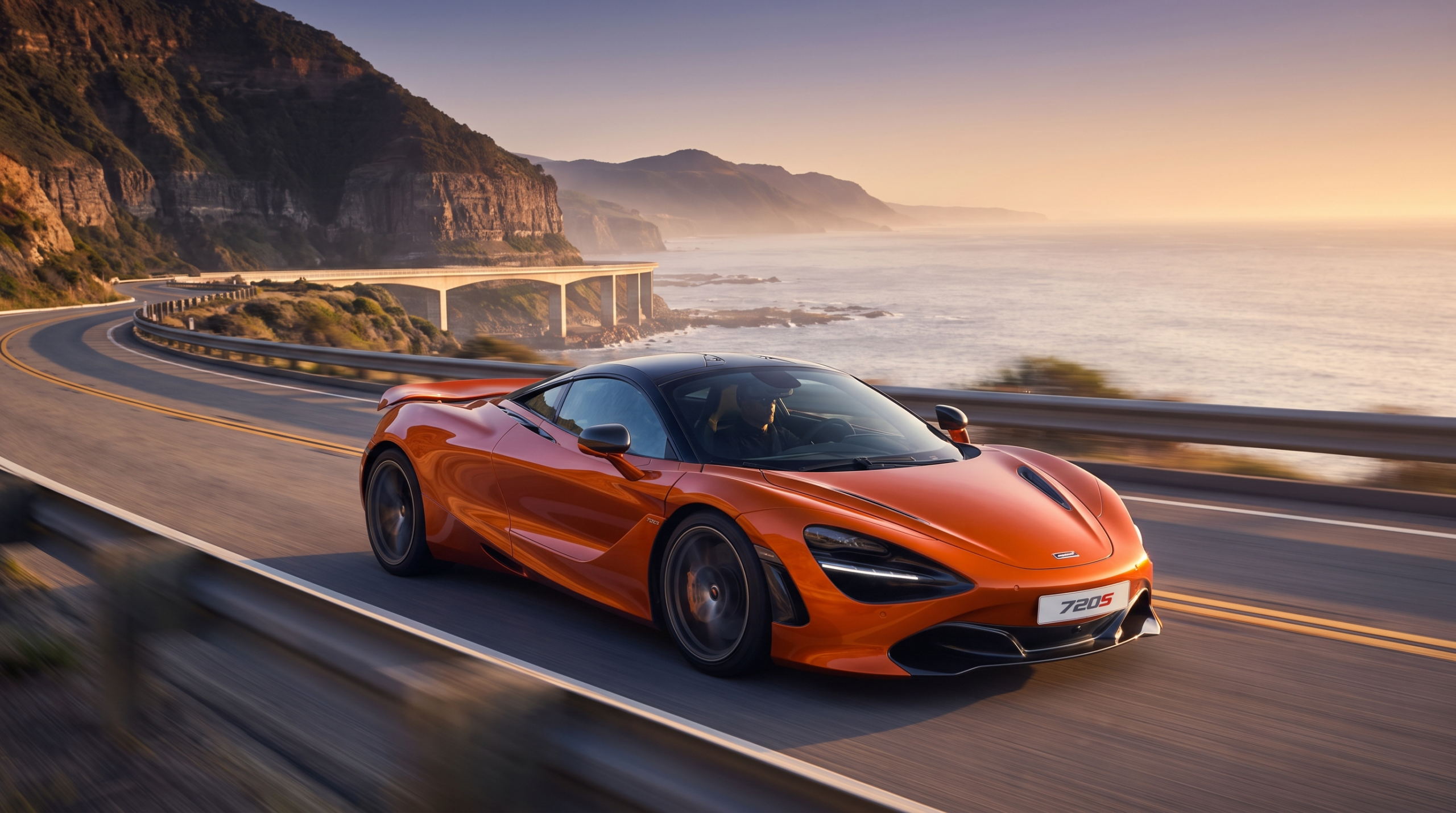
Buy the car you can actually use — you will drive it more, and enjoy it more.
Step 3: Learn the Specific Model’s Known Issues Before You Shop
Every exotic has a short list of known weak points, and the difference between a good buy and a bad one usually comes down to whether those items have been addressed. Examples of the kind of thing you’re looking for: clutch wear and replacement cost on single-clutch automated manuals, front-lift system condition, prior paint or accident repair on carbon panels, and service history gaps around major scheduled intervals.
Spend a weekend in owner forums for the specific model. Learn what the major service costs, what fails, and what a well-sorted example looks like on paper. Ten hours of reading here can save you $30,000 later.
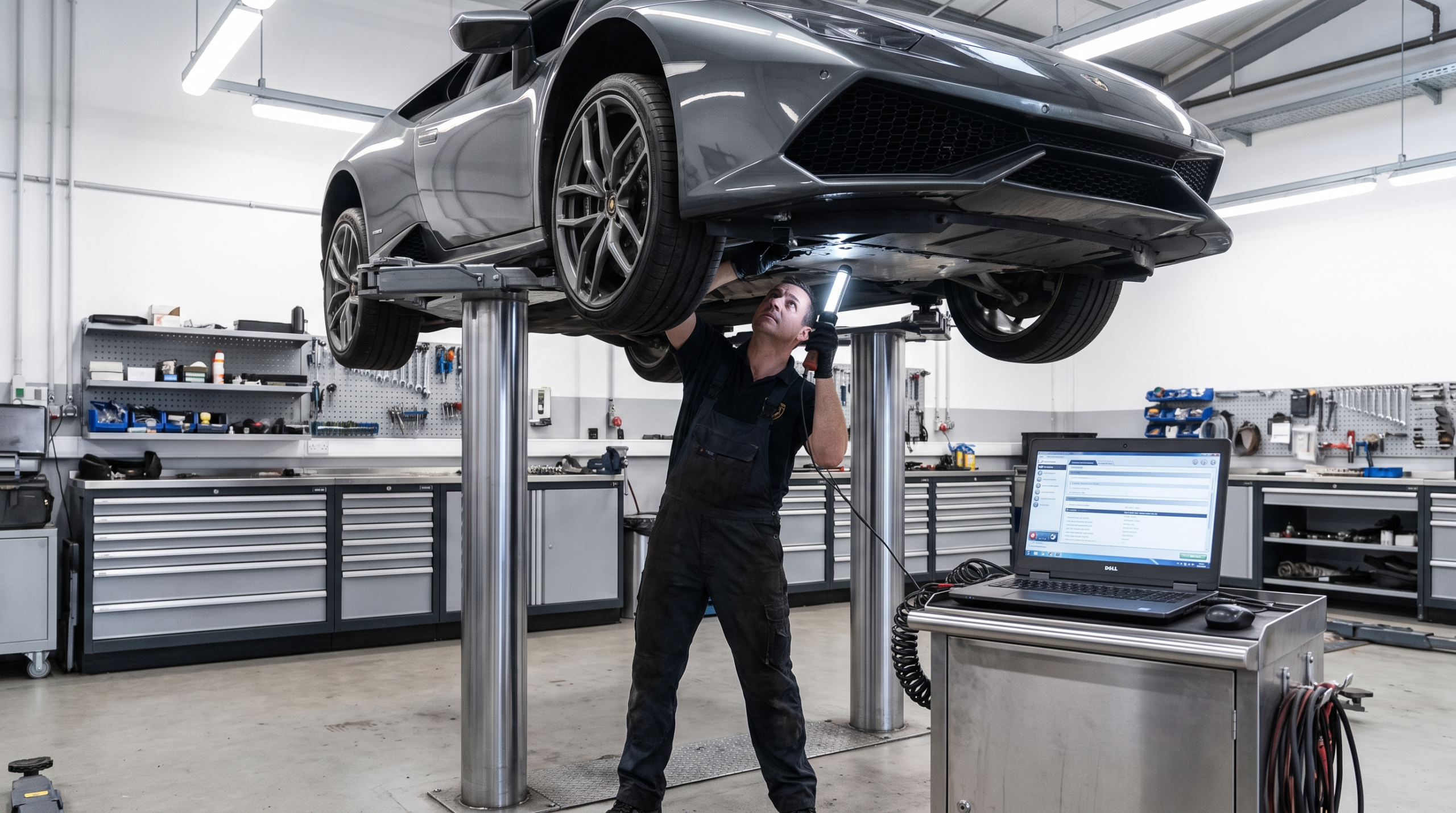
A proper PPI includes diagnostics, not just a flashlight — budget $300–$800 and never skip it.
Step 4: Shop the National Market, Not Your Zip Code
Exotic inventory is thin everywhere, and every exotic car buyer learns it fast. The right car — right spec, right miles, right history, right price — is rarely the one twenty minutes away. Serious first-time exotic car buyers shop nationally and treat transport as a line item, not an obstacle.
Compare multiple examples of the same model side by side: mileage, options, color combination, service history, and asking price. Start with live Ferrari, Lamborghini, McLaren, and Porsche inventory from vetted dealers nationwide. Patterns emerge fast — you’ll quickly see which cars are priced on reality and which are priced on hope.
Step 5: Read the Listing Like an Investigator
Before you ever call the seller, the listing itself tells you a lot:
Mileage vs. age. Extremely low miles isn’t automatically good. Cars that sit develop seal, fluid, and tire issues. A 10-year-old car with 2,000 miles needs as much scrutiny as one with 30,000.
Number of owners. More owners in a short window can signal a problem car being passed along.
Photo quality and coverage. A serious seller photographs the engine bay, undercarriage, tires, and interior wear points. Listings with six glamour shots and nothing else are hiding something or lazy — either way, ask.
Service records mentioned or not. “Full service history” should mean documents, not a sentence. If records aren’t mentioned, assume they don’t exist until proven otherwise.
Step 6: Verify the History Before You Fall in Love
Run the VIN through a service like Carfax. A history report is the floor for an exotic car buyer, not the ceiling — it catches title problems, reported accidents, and odometer inconsistencies, but plenty of damage never gets reported. Beyond the report:
Ask for service records and actually read them. Match dates and mileage.
Ask directly: “Has this car ever had paintwork?” Watch how the answer comes.
For higher-value cars, consider a marque specialist’s records check — Ferrari and Lamborghini dealers can often pull factory service history by VIN.
Any hesitation about providing the VIN before a deposit is a walk-away signal. No exceptions.
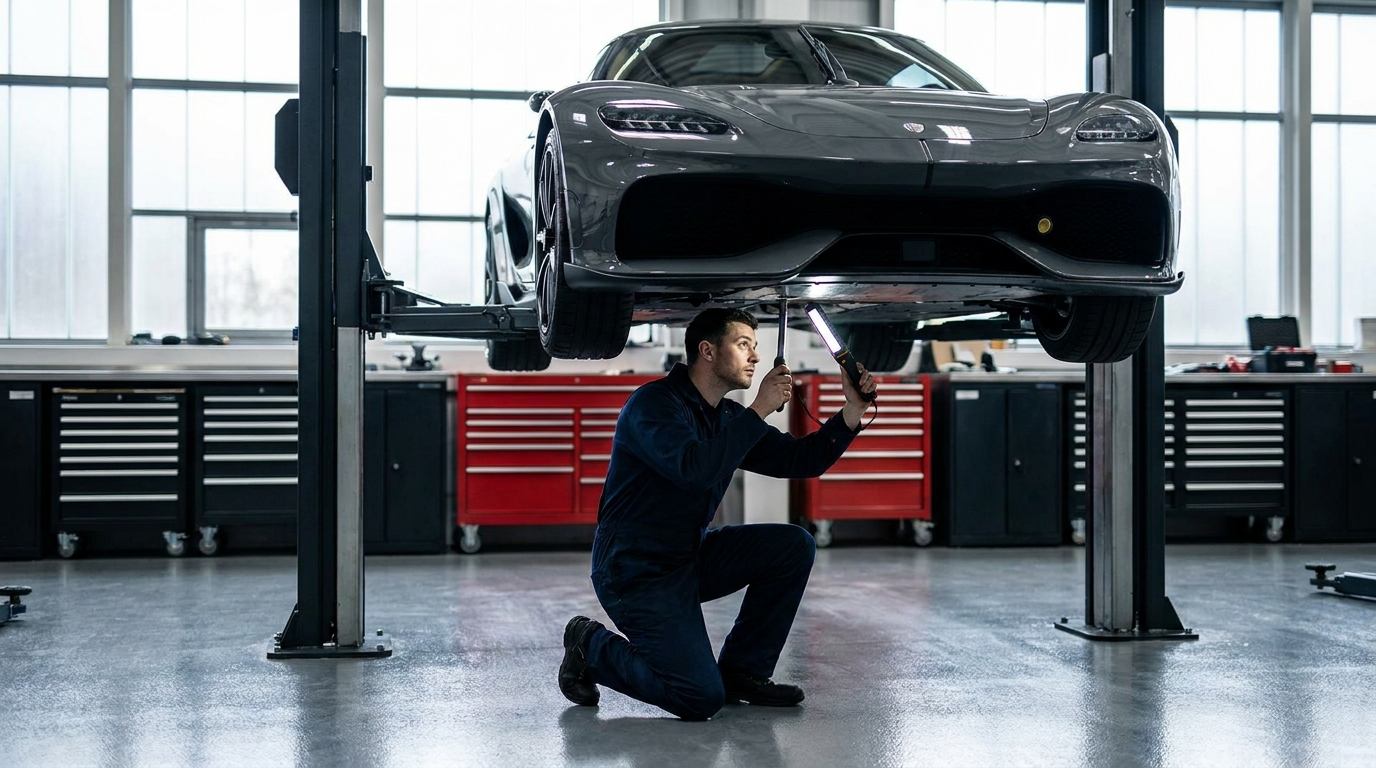
An independent pre-purchase inspection is the single most important step in the process.
Step 7: Get an Exotic Car Pre-Purchase Inspection — Always
This is the single most important step in the entire process, and the one first-time buyers most often skip because the car “looks perfect” or the seller “seems trustworthy.”
A proper exotic car pre purchase inspection (PPI) is done by an independent marque specialist — not the selling dealer — and typically costs $300–$800. It should cover compression or leak-down testing where relevant, paint-depth readings on every panel, suspension and brake condition, fluid analysis where appropriate, and a scan for stored fault codes.
On a six-figure car, a PPI is a fraction of one percent of the purchase price protecting all of it. There is no version of this purchase where skipping it is smart. If a seller resists an independent PPI, the inspection has already told you what you need to know.
One more Step 7 reality check, because it matters: the PPI is not an expense, it is a discount machine. A $500 inspection that surfaces a $4,000 clutch at 80% wear is not bad news — it is a negotiation document with the exotic car buyer’s name on it. In our experience, first-time exotic car buyers who commission a proper PPI recover its cost in the final price more often than not, and the ones who skip it fund someone else’s deferred maintenance instead.
Step 8: Negotiate on Facts, Not Feelings
Exotic pricing has more air in it than mainstream cars. Use what you’ve gathered:
Comparable listings nationally, adjusted for miles, spec, and condition.
Days on market. A car sitting 90+ days has a motivated seller whether they admit it or not.
PPI findings. Every legitimate issue the inspection surfaces is a documented, dollar-figure negotiation point — needed tires, an upcoming major service, paint correction.
Be respectful, be specific, and be willing to walk. In a thin market, the willingness to walk away is the strongest position a buyer has. There is always another car.
Step 9: Handle Payment, Title, and Taxes Properly
At this price point, the transaction mechanics matter:
Wire transfers only for private and dealer purchases alike — never certified checks from strangers. Verify wire instructions by phone with a known-good number before sending anything.
Escrow services like Escrow.com are worth the fee for private-party deals, especially long-distance ones.
Out-of-state purchases: you generally pay sales tax in the state where you register the car, not where you buy it. Confirm your state’s rules before you assume anything — Florida buyers can start with the FLHSMV title and registration guide.
Financing: exotic lending is a specialty. Mainstream banks often cap loan amounts or decline exotics entirely; specialty lenders understand the collateral. If you’re financing, get approved before you negotiate so you can move like a cash buyer.
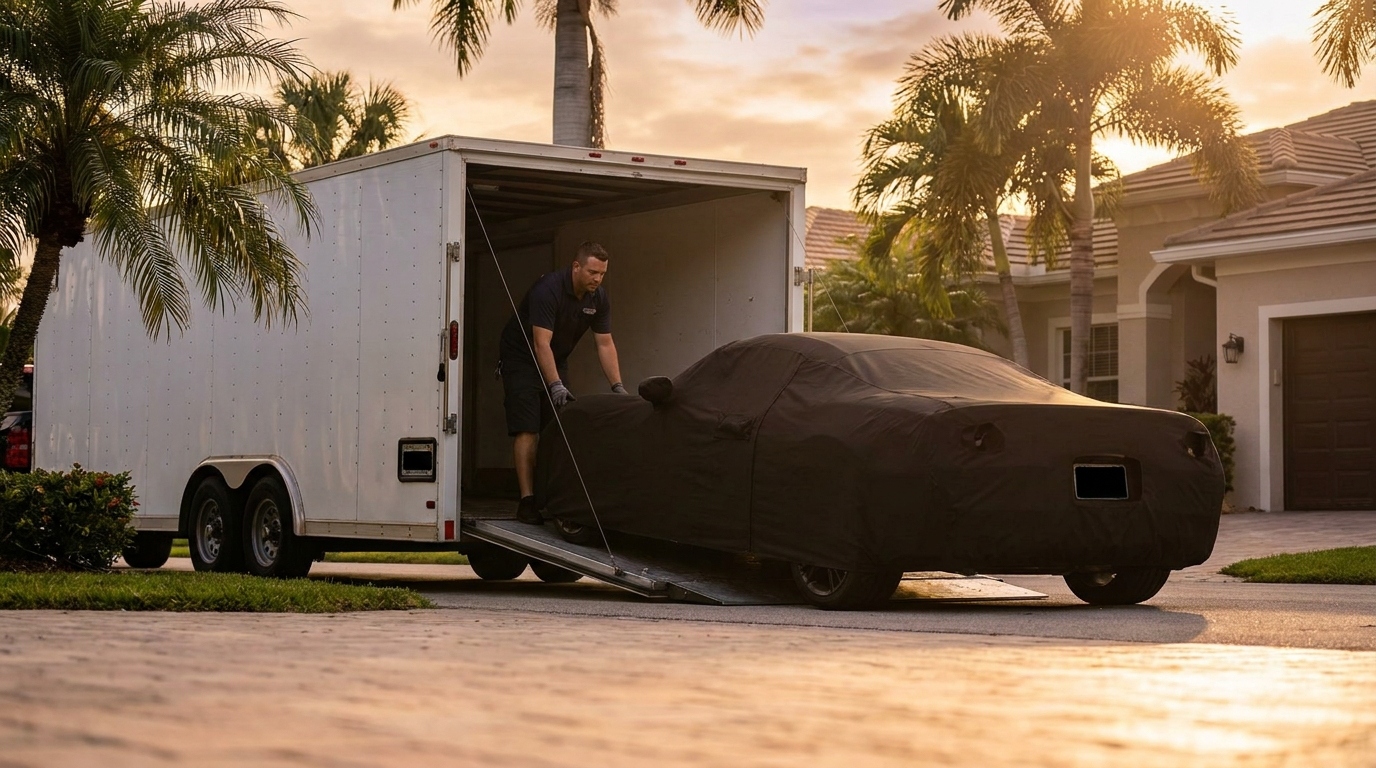
Enclosed transport only — open carriers expose a six-figure car to chips and weather.
A note on wiring money, because this is where first-time nerves peak: verify wire instructions by phone with a number you found independently — not one from an email thread — and never let anyone rush the transfer. Wire fraud targeting car transactions is real, it is ugly, and it is entirely avoidable with one confirming phone call. Escrow services exist for private-party deals if either side wants a referee — and no first-time exotic car buyer has ever regretted the confirming call.
Step 10: Transport It, Insure It, Then Baseline It
Once the deal closes:
Enclosed transport only. Open transport saves a few hundred dollars and exposes a six-figure car to rock chips and weather. Use a carrier with verifiable insurance and exotic experience.
Insurance active before the car moves. Bind coverage effective the day of purchase, not the day of delivery.
Baseline service on arrival. Even with a clean PPI, have your local specialist do a fluid service and full once-over. Now you know the car’s true starting condition, and you’ve started a relationship with the shop that will maintain it.
Then drive it. The buyers who regret their exotics are almost never the ones who used them — they’re the ones who stored them, worried about them, and sold them two years later with 400 more miles and a stack of storage invoices.
The Five Mistakes That Cost First-Time Exotic Car Buyers the Most
After a century in this business, our family has seen every way a first-time exotic car buyer’s purchase can go sideways — and the expensive mistakes are remarkably repetitive. Here they are, ranked by the size of the check they tend to generate.
Falling in love before the PPI. The single costliest error an exotic car buyer makes is emotional commitment before mechanical verification. Once you’ve imagined the car in your garage, every red flag becomes negotiable. The fix is procedural: no deposit until the inspection report is in your hands.
Buying the poster, not the ownership experience. The car that thrilled you at sixteen may be a nightmare at highway speed with no visibility and a clutch that hates traffic. Forgiving first exotics exist in every brand’s catalog — and the buyers who choose them actually drive their cars, which is rather the point.
Skipping the insurance quote until after purchase. Premiums vary wildly by model, zip code, and driving history, and no exotic car buyer should discover theirs after the wire clears. Getting the real number on the specific VIN before you commit is a ten-minute phone call that has saved buyers from five-figure annual surprises.
Shopping only local inventory. Exotic inventory is thin everywhere. Restricting your search to driving distance means choosing from three cars when the national market offers thirty — and paying local-scarcity prices for the privilege. Enclosed transport is cheap against that math.
Ignoring market timing. The exotic market has seasons — auction weeks reset prices, model announcements move values, and winter is historically kind to buyers. Watching events like Monterey Car Week isn’t just entertainment; it’s the market telling you what’s about to get more expensive.
First-Time Exotic Car Buyer FAQ
Do I really need a pre-purchase inspection?
Yes, without exception. An independent PPI costs $300–$800 and protects a six-figure purchase. A seller who resists one is telling you everything you need to know.
Should I buy an exotic car out of state?
Usually, yes. Exotic inventory is thin, so serious buyers shop nationally. Enclosed transport runs $1,500–$3,500, which is small against getting the right car at the right price.
How much should I budget beyond the purchase price?
Plan for sales tax and registration (6–8% in most states), an insurance quote on the specific model, a first-year maintenance reserve of 5–10% of the purchase price, and transport.
What is the best first exotic car to buy?
For most first-time buyers, a forgiving, daily-usable car — a Porsche 911 Turbo, Audi R8, or Lamborghini Urus — beats a high-maintenance poster car. Buy the car that matches how you will actually drive.
How much does insurance cost for a first exotic car?
It varies dramatically by model, location, age, and driving record — from a few thousand to well over ten thousand dollars a year. Always get a quote on the specific VIN before committing, and ask about agreed-value coverage.
Is buying from a dealer safer than a private party?
A reputable exotic dealer adds inspection standards, financing options, and legal recourse, and often handles title and taxes cleanly. Private-party deals can price lower but put every verification step on you. Either way, the PPI is non-negotiable.
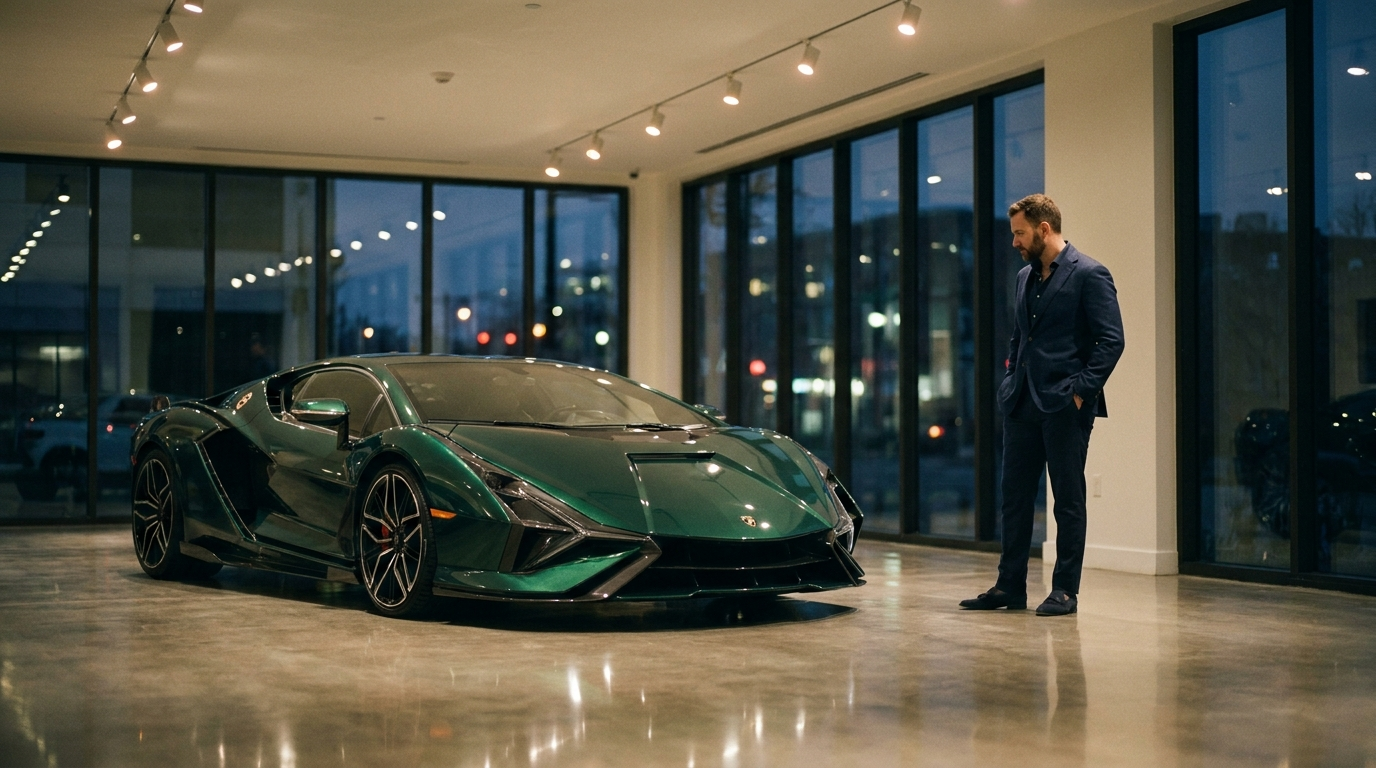
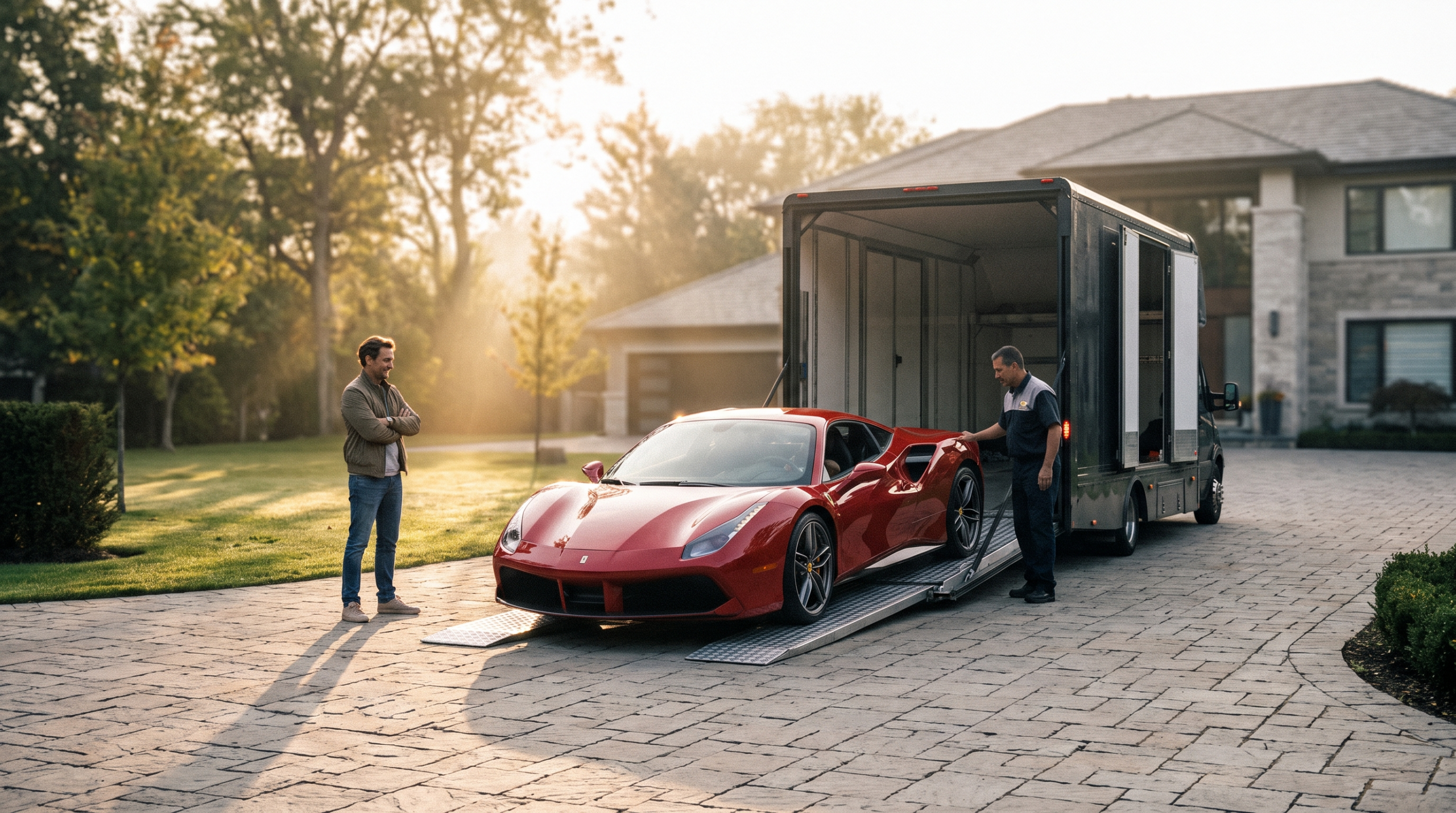
Delivery day: the payoff for doing steps 1 through 9 the boring way.
The Short Version: The First-Time Exotic Car Buyer Checklist
Budget all-in, not sticker. Pick a forgiving first car. Learn the model’s weak points. Shop nationally. Verify history. Never skip the PPI. Negotiate on documented facts. Handle the money carefully. Transport enclosed. Then actually drive the thing.
Do those ten things and buying your first supercar will go better than most people’s third.
One final thought from a family that has been putting people in extraordinary cars for over a hundred years: the difference between a first-time exotic car buyer who loves ownership and one who exits the hobby within a year is almost never the car — it is the process. Every step above exists because someone, somewhere, paid heavily to learn it. Follow the ten steps in order like a seasoned exotic car buyer, be boring about the details, and the reward is anything but boring: the garage light flicking on over something that still makes your heart rate climb every single time.
Owning an exotic car is not about speed or luxury- It’s about embracing an experience, where the road becomes your canvas and the car, your masterpiece.
Monterey 2026 did a record ~$756 million while the retail exotic market cooled. Here is what the split means for anyone buying or selling a supercar right now.
You are not searching badly. The car you want probably exists in single digits nationally at any given moment — here is how serious buyers actually get one, and what each route costs.
The Aurelio was the first Filipino-built supercar — two hand-made prototypes from San Pedro, Laguna. What was real, what was only claimed, and the arithmetic that actually killed it.