Porsche spent eight years inside the company that builds the quickest-accelerating road cars on earth, and in April 2026 it walked away. Porsche sold its 45% holding in Bugatti Rimac and its 20.6% stake in the Rimac Group to a consortium led by HOF Capital — ending the Volkswagen Group’s last remaining connection to Bugatti, handing control to Mate Rimac and his new backers, and saying something fairly blunt about where Porsche now thinks its money is best spent.
Table of Contents
While the partnership delivered technological breakthroughs and elevated the hypercar conversation globally, Porsche’s decision to step away is less about the past—and entirely about control over its future.
This is not a retreat. It’s a recalibration.
The Bugatti Rimac Deal at a Glance (Quick Answer)
Porsche announced on April 24, 2026 that it is selling its 45% stake in Bugatti Rimac and its 20.6% stake in Rimac Group to a consortium led by New York-based HOF Capital, with BlueFive Capital as the largest investor. The transaction is expected to close before the end of 2026, subject to regulatory clearances. Afterward, Rimac Group will control Bugatti Rimac, with HOF Capital becoming its largest shareholder alongside founder and CEO Mate Rimac.
Detail
The Facts
What Porsche sold
45% of Bugatti Rimac + 20.6% of Rimac Group
The buyers
HOF Capital-led consortium; BlueFive Capital largest investor
Announced
April 24, 2026
Expected close
Before end of 2026, pending regulatory approval
Control after closing
Rimac Group controls Bugatti Rimac; Mate Rimac remains CEO
Stated rationale
“We will focus Porsche on the core business” — CEO Michael Leiters
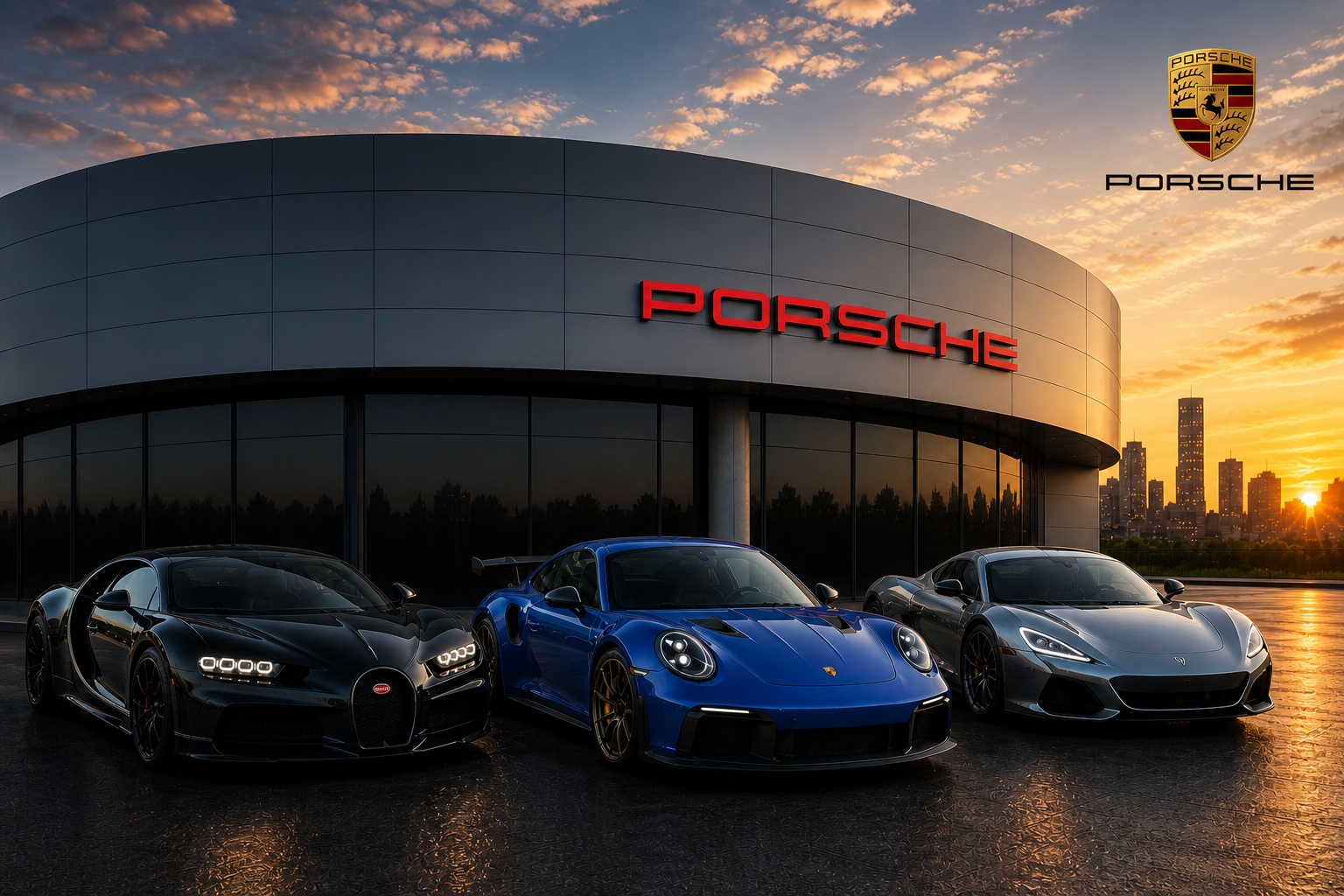
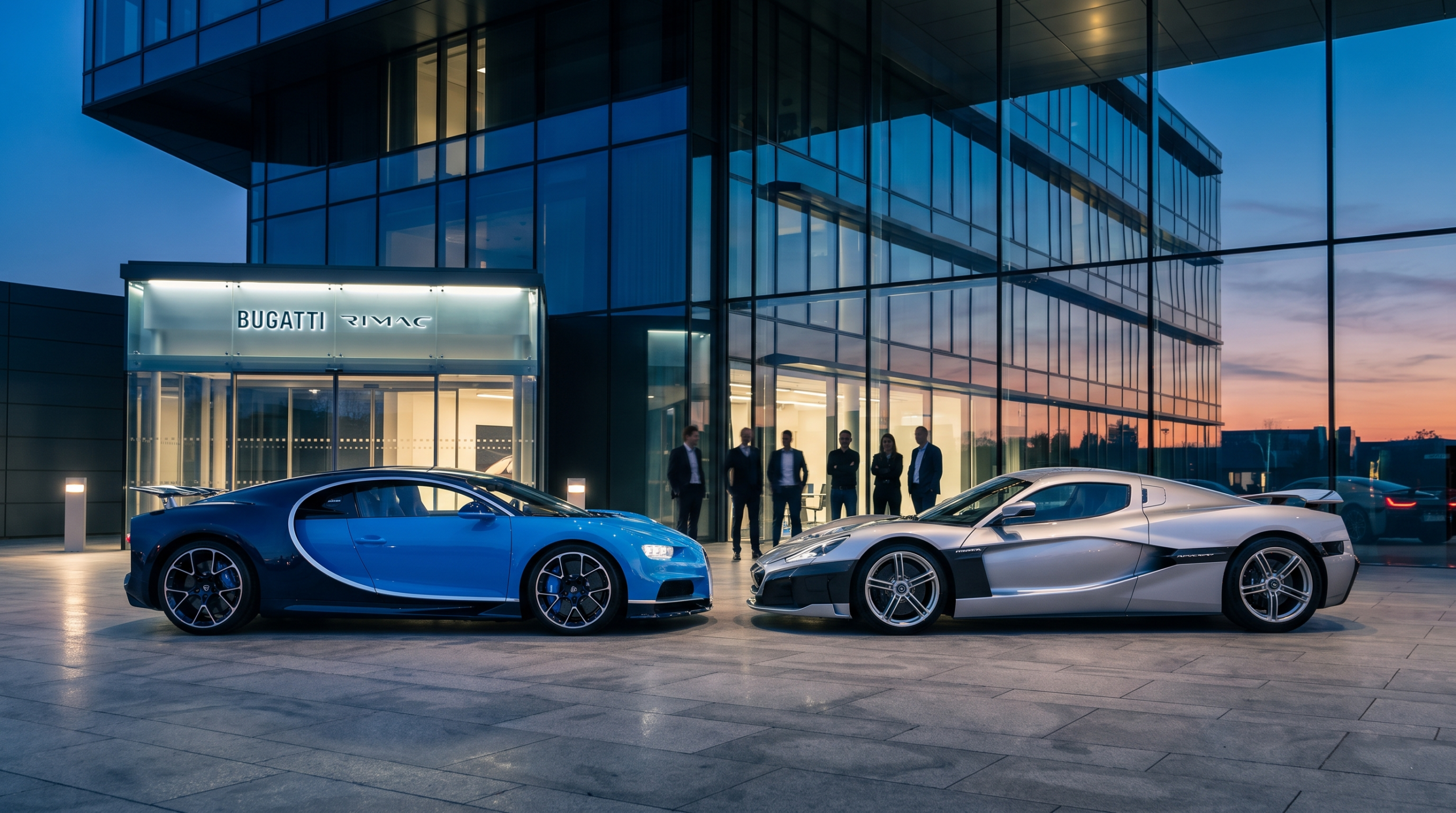
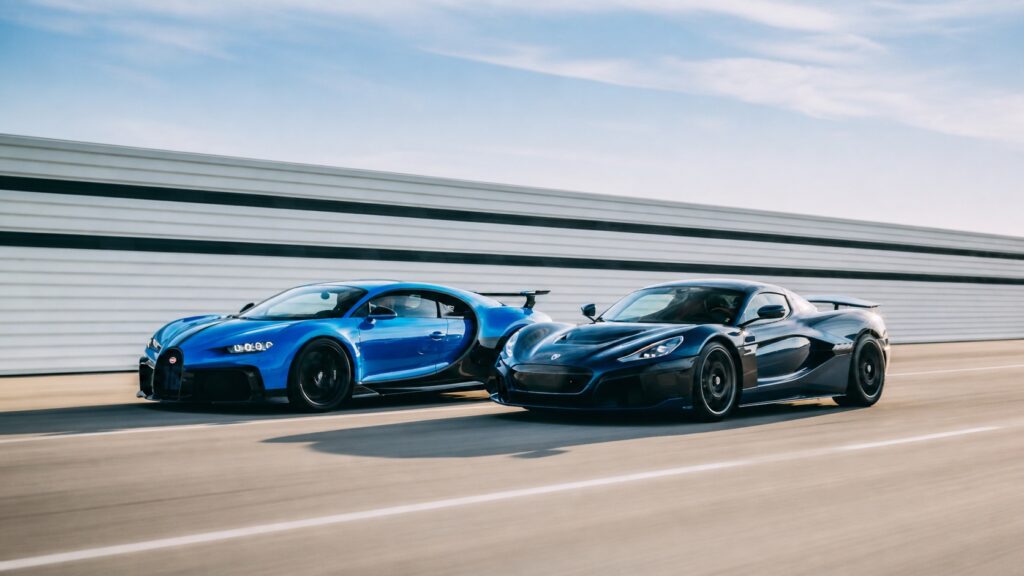
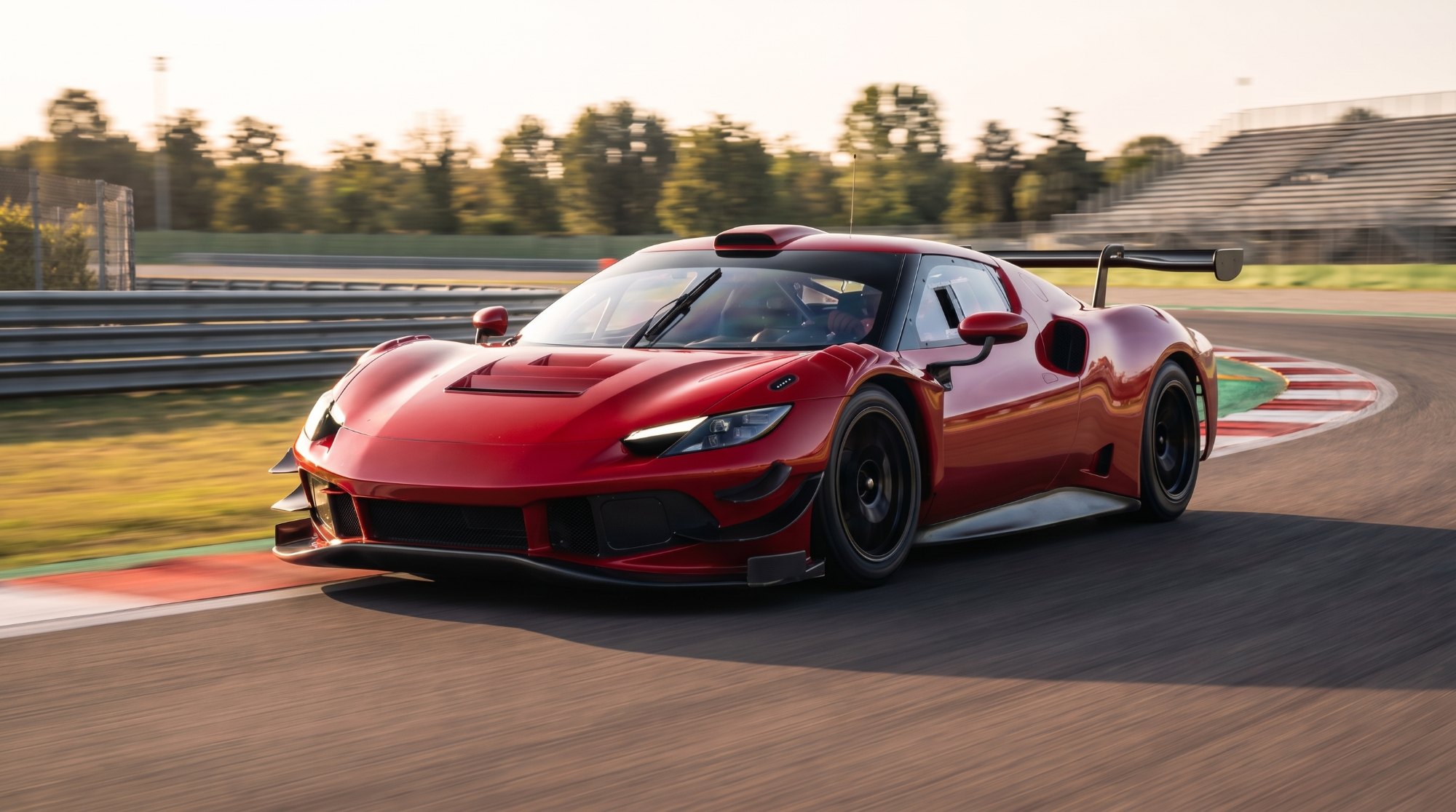
New era, same mission: Bugatti Rimac continues under Rimac Group control with HOF Capital as largest shareholder. Illustrative image.
The details matter here, because this is not Bugatti being “sold off.” Per Porsche’s official announcement, the structure hands operational continuity to the people already running Bugatti Rimac day to day. Mate Rimac framed the outcome plainly: the new structure lets the company execute even faster on its long-term vision. And as CNBC reported, the exit also ends Volkswagen Group’s last remaining link to Bugatti — a quiet milestone after a quarter-century of stewardship that gave the world the Veyron and Chiron.
Why Porsche Is Simplifying Its Position
The modern performance market is no longer defined by engineering alone. Capital efficiency, brand clarity, and execution speed now matter just as much.
Porsche’s exit reflects three core priorities:
Refocusing capital toward its own product roadmap
Simplifying ownership structures to increase agility
Rebalancing electrification strategy in response to real-world demand
In a market where timing and precision define profitability, Porsche is choosing to operate on its own terms—without the complexity of cross-brand ventures.
Rimac Takes Full Control of Bugatti’s Future
With Porsche stepping aside, Mate Rimac and the Rimac Group assume a more influential role in shaping Bugatti’s direction.
This shift positions Rimac as one of the most important forces in the hypercar segment—bringing:
Advanced electric and hybrid performance systems
Faster innovation cycles
A more entrepreneurial approach to product development
For Bugatti, it marks a transition away from traditional corporate structure into a more agile, technology-driven future.
How We Got Here: Porsche and Rimac, 2018–2026
The partnership began in 2018, when Porsche took a small stake in what was then a Croatian EV startup best known for shockingly quick prototypes and Mate Rimac’s garage-to-glory origin story. Porsche deepened the position over the following years as Rimac matured from curiosity into a genuine Tier-1 technology supplier — the company whose battery and drivetrain expertise legacy automakers quietly lined up to buy.
The landmark move came in 2021, when Volkswagen Group placed Bugatti into a joint venture with Rimac: Bugatti Rimac was born, with Rimac Group holding the majority and Porsche the 45% minority it is selling today. The arrangement made a then-33-year-old founder the custodian of the most storied hypercar marque on Earth — and, against plenty of skepticism, it worked. The Tourbillon arrived as a genuinely new-era Bugatti, the Nevera set records, and Rimac’s technology business grew into exactly what Porsche said it would become.
Seen in that arc, the 2026 exit reads less like abandonment and more like a completed mission. Porsche helped build the structure, de-risked the brand transfer, and is now monetizing a successful investment at the moment its own core business needs the capital and focus most.
Porsche × Rimac: The Timeline
Year
Milestone
2018
Porsche takes its first minority stake in Rimac Automobili
2019–2021
Porsche deepens the position as Rimac scales into a Tier-1 EV technology supplier
2021
Bugatti Rimac joint venture formed — Rimac Group majority, Porsche 45%
2024
Bugatti Tourbillon debuts: the first new-era Bugatti under Rimac leadership
April 2026
Porsche announces sale of its Bugatti Rimac and Rimac Group stakes to the HOF Capital-led consortium
Late 2026
Transaction expected to close pending regulatory approval
The Bigger Picture: Legacy Money and Hypercar Ventures
The Bugatti Rimac transaction is also a signal about where hypercar capital is heading. A decade ago, boutique hypercar makers depended on legacy automakers for credibility and cash. Today, global investment firms compete to fund them directly — HOF Capital and BlueFive stepping in where a Stuttgart giant steps out is the pattern in miniature. Expect more of it: scarcity businesses with century-old brands, allocation lists, and nine-figure halo projects look a lot like luxury houses to institutional money, and luxury houses have been excellent investments.
For the exotic ecosystem — dealers, collectors, and marketplaces alike — that migration of capital tends to mean more limited editions, more brand extensions, and more aggressive heritage programs. In other words: more of exactly the inventory and stories that keep this corner of the car world compounding.
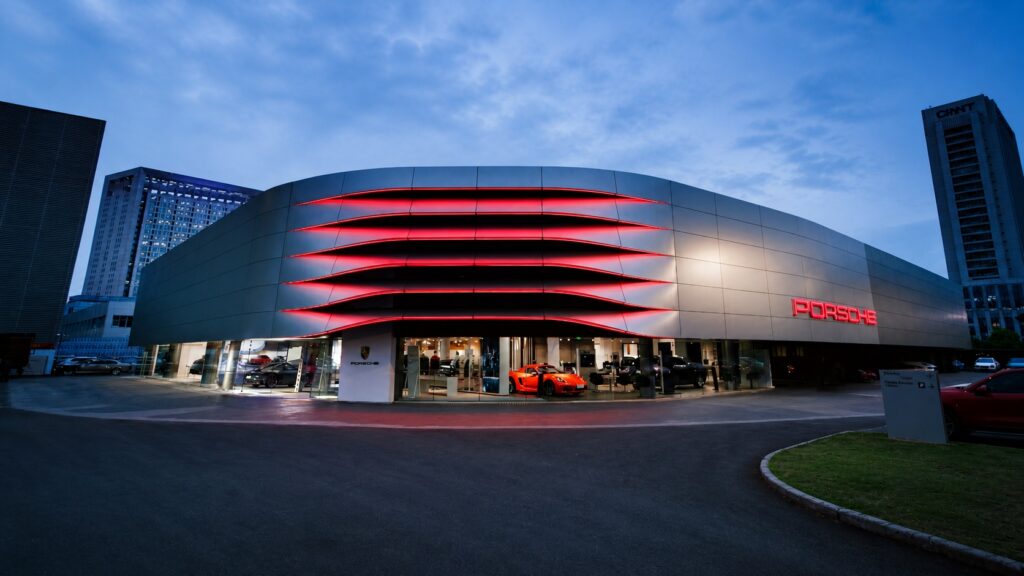
The Real Story: Porsche’s Dealership Evolution
Beyond the headlines, the most important transformation is happening where customers actually interact with the brand—inside the dealership.
Porsche is actively reshaping its retail strategy to meet the expectations of a new generation of luxury buyers.
From Showroom to Experience
Traditional sales floors are being replaced with immersive environments designed around the customer journey:
Private configuration studios
Curated vehicle displays rather than crowded inventory
Delivery experiences built around exclusivity and presentation
The dealership is no longer a place to browse—it’s a place to engage with the brand.
A Multi-Powertrain Reality
As Porsche refines its electrification strategy, dealerships must now support a broader spectrum of performance:
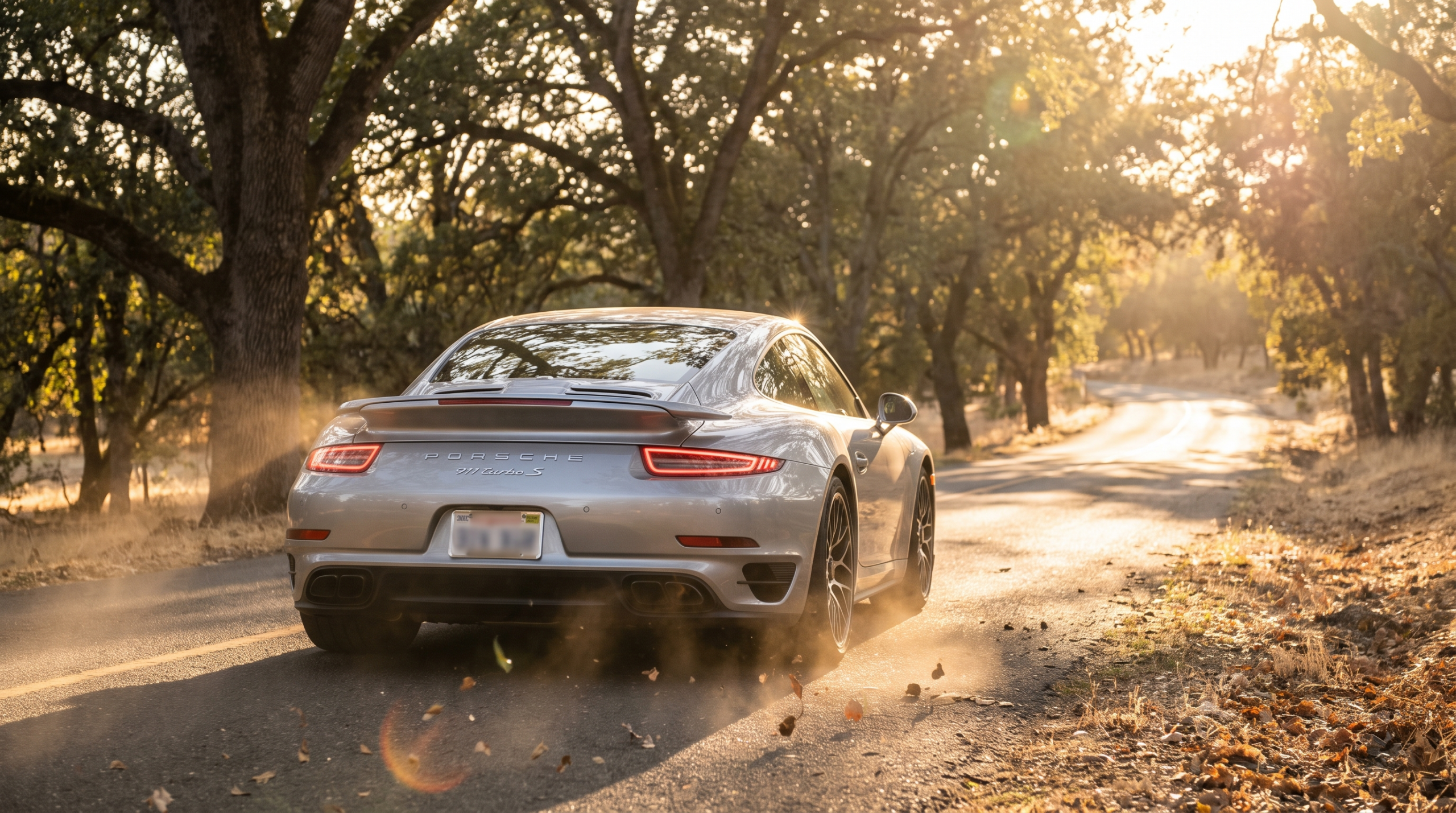
Iconic combustion models like the Porsche 911
Electrified platforms such as the Porsche Taycan
Future hybrid and next-generation performance systems
This creates a more complex—but more flexible—sales environment, where education and expertise become as important as inventory.
Competing Beyond Traditional Rivals
Porsche dealerships are no longer competing solely with legacy performance brands.
They now sit at the intersection of:
Ultra-luxury automotive
Tech-driven EV disruptors
Experience-focused premium brands
To stay ahead, Porsche is elevating every touchpoint—from digital integration to in-person hospitality—ensuring the ownership journey matches the product itself.
Moving Further Upmarket
Porsche is also pushing deeper into the high-end segment.
Increased focus on bespoke configurations
Greater emphasis on limited-production and allocation-driven models
A retail environment designed to reflect ultra-luxury expectations
For dealerships, this shift means fewer transactional sales and more relationship-driven, high-value clients.
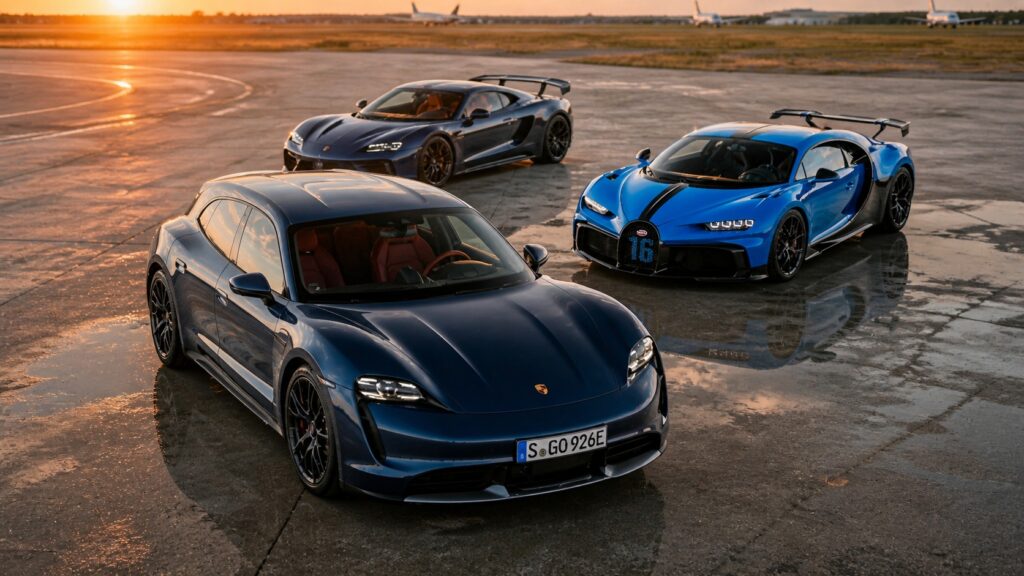
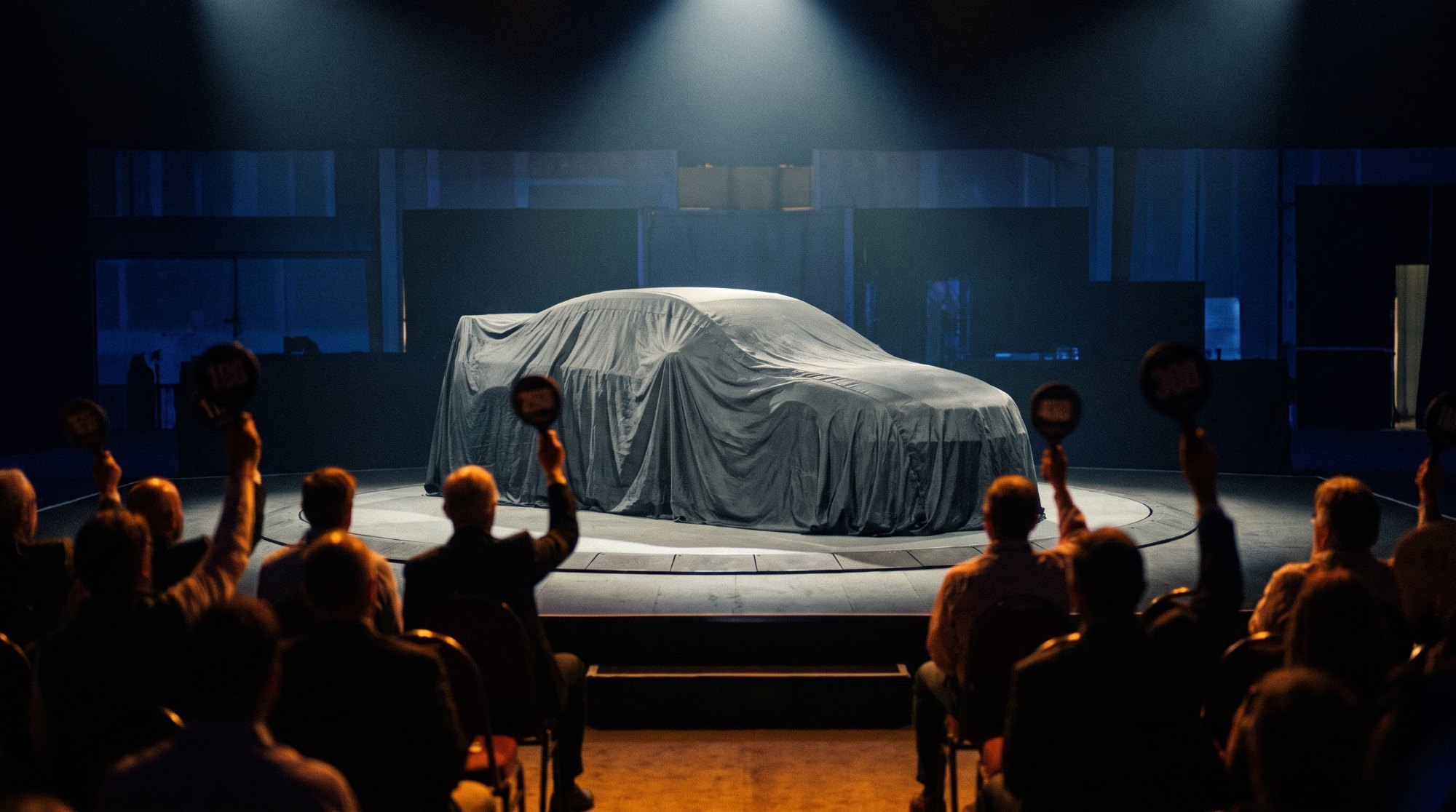
A recalibration, not a retreat: Porsche redirects capital toward its own roadmap. Illustrative image.
What the Bugatti Rimac Sale Means for Collectors
For collectors, ownership changes at this level ripple through values in predictable ways. Continuity of leadership — Mate Rimac staying at the helm of Bugatti Rimac — protects the programs collectors care about most: the Programme Solitaire one-offs like the Destrier, Tourbillon production, and the parts-and-heritage support that underpins eight-figure valuations. Historically, clean ownership transitions with retained leadership have been neutral-to-positive for marque values; messy ones are where collections get nervous.
Two signals were worth watching, and Monterey in August answered both. The first was whether new shareholders would accelerate limited-edition programmes — private-equity owners typically love high-margin scarcity — and the one-off Destrier that appeared at Monterey suggests they will. The second was how the final W16-era cars would trade now that the engine, the corporate parent and the era have all turned over at once; Monterey Car Week results will be the first clean read. Either way, documented provenance matters more in transition periods, not less — our collector car documentation guide covers exactly what to keep in the file.
What This Means for the Market
For Dealerships: A more focused Porsche translates into stronger brand alignment, clearer messaging, and improved long-term positioning.
For Buyers: Expect a more refined purchase experience—one that blends performance, personalization, and premium service.
For the Industry: Porsche’s move reinforces a broader trend: success in the next era of automotive will be defined as much by how vehicles are sold as by how they are built.
Final Perspective
Porsche’s exit from Bugatti Rimac is a strategic reset at the highest level.
It allows the brand to concentrate on what it does best—delivering performance with precision—while evolving how that performance is experienced by customers.
At the same time, Rimac gains the freedom to redefine Bugatti for a new generation.
Two brands, two distinct paths—both shaping the future of the ultra-performance market.
How This Deal Compares: Precedents in Exotic Ownership
Exotic marques changing institutional hands is not new — but the outcomes vary enormously, which is why the structure of the Bugatti Rimac deal matters. Volkswagen’s 1998 acquisition of the Bugatti name led to a decade of patient investment before the Veyron redefined what a road car could be: the best-case template of deep pockets plus long horizons. McLaren’s repeated recapitalizations over the past decade show the harder path, where funding pressure and product planning tug against each other in public. And Geely’s backing of Lotus demonstrates a third model — aggressive expansion capital that transforms a boutique into a global brand, for better and for worse.
The Bugatti Rimac structure most resembles the first template with a modern twist: mission-aligned capital, a founder retained in control, and a brand whose scarcity economics were already proven. That is the most collector-friendly configuration of the three — provided the new shareholders keep playing the long game that has defined Molsheim’s best eras. History will judge the deal by one simple test: whether the cars that follow the Tourbillon are worthy of the badge on their nose.
Winners, Losers, and Open Questions
Party
Where the Deal Leaves Them
Porsche
Capital and focus recovered for the core business; exits at a high-water mark for the venture it helped build
Mate Rimac
Consolidated control of Bugatti Rimac with deep-pocketed, aligned investors behind him
Bugatti
Continuity of leadership and product plan; new capital likely accelerates limited-edition programs
HOF Capital / BlueFive
A once-in-a-generation entry into the most exclusive franchise in the car world
Collectors
Watch auction results and heritage-program commitments through the transition
The open questions are worth naming, too. Will the new shareholders preserve the engineering-first culture that made Bugatti Rimac credible, or push for faster brand monetization? Does Rimac Group double down on its Tier-1 technology business now that its balance sheet is simplified? And what does the deal template mean for other legacy-automaker hypercar stakes across the industry? The answers will arrive over the next several product cycles — and they will move nine-figure collections when they do.
The Dealer and Marketplace Angle
One second-order effect deserves attention from anyone who buys or sells at the top of the market: ownership transitions concentrate attention on provenance. When a marque changes hands, factory heritage services can pause, reorganize, or reprice, and the paperwork already in a car’s file becomes the paperwork that counts. Sellers of Veyron- and Chiron-era cars should assemble complete documentation now, while records remain easily accessible. Buyers, meanwhile, gain leverage during uncertainty windows — a well-documented example purchased during a transition has historically outperformed the same car bought after the dust settles.
That is precisely the pattern our marketplace exists to serve: verified dealers, documented cars, and transparent listings on ExoticMotors.com take the guesswork out of exactly these moments. When the corporate world reshuffles above the hobby, disciplined buyers do their best work.
Porsche’s Own Road From Here
What does “focus on the core business” actually look like in Stuttgart? Expect the redirected capital to show up in three places. First, the product core: the 911 remains the franchise, and keeping it desirable through electrification-era regulation is job one. Second, the model range recalibration between combustion, hybrid, and electric — Porsche has been explicit that flexibility across powertrains is the strategy after a bruising stretch for EV demand assumptions. And third, the customer experience layer — the dealership and retail evolution covered above, where margins are won and brand loyalty is actually manufactured.
There is also a quieter takeaway for enthusiasts: Porsche exiting Bugatti Rimac does not end its influence on the hypercar world. The technology relationships, the motorsport programs, and the engineering bench remain. What changes is the balance sheet — and if history is a guide, a more focused Porsche has usually been a more dangerous one. In the meantime, the cars themselves keep turning over: see which Porsches are on the site today.
Porsche and Bugatti Rimac: Frequently Asked Questions
Why is Porsche selling its Bugatti Rimac stake?
Porsche says the sale lets it focus capital and attention on its core business. The move follows a difficult 2025 financially and simplifies Porsche’s ownership structure as it repositions around its own product roadmap.
Who is buying Porsche’s stake in Bugatti Rimac?
A consortium led by New York-based investment firm HOF Capital, with BlueFive Capital as the largest investor, plus institutional investors across the US and EU.
Does Bugatti have new owners now?
Effectively, yes — after closing, Rimac Group will control Bugatti Rimac, with HOF Capital as largest shareholder alongside founder and CEO Mate Rimac, who continues to lead the company.
Is Volkswagen still involved with Bugatti?
No. Porsche’s exit ends the Volkswagen Group’s last remaining connection to Bugatti, closing a chapter that began with the marque’s revival and produced the Veyron and Chiron.
What does the sale mean for Bugatti values and collectors?
Leadership continuity under Mate Rimac protects the programs that support values — one-off builds, Tourbillon production, and heritage support. Collectors should watch upcoming auction results and keep documentation complete during the transition.
Owning an exotic car is not about speed or luxury- It’s about embracing an experience, where the road becomes your canvas and the car, your masterpiece.
The FTC’s September 2026 pricing FAQs say a car’s advertised price must be one any buyer can pay, on Instagram, marketplaces and dealer sites alike. Here is what that means for exotic and luxury dealers.
Monterey 2026 did a record ~$756 million while the retail exotic market cooled. Here is what the split means for anyone buying or selling a supercar right now.
You are not searching badly. The car you want probably exists in single digits nationally at any given moment — here is how serious buyers actually get one, and what each route costs.