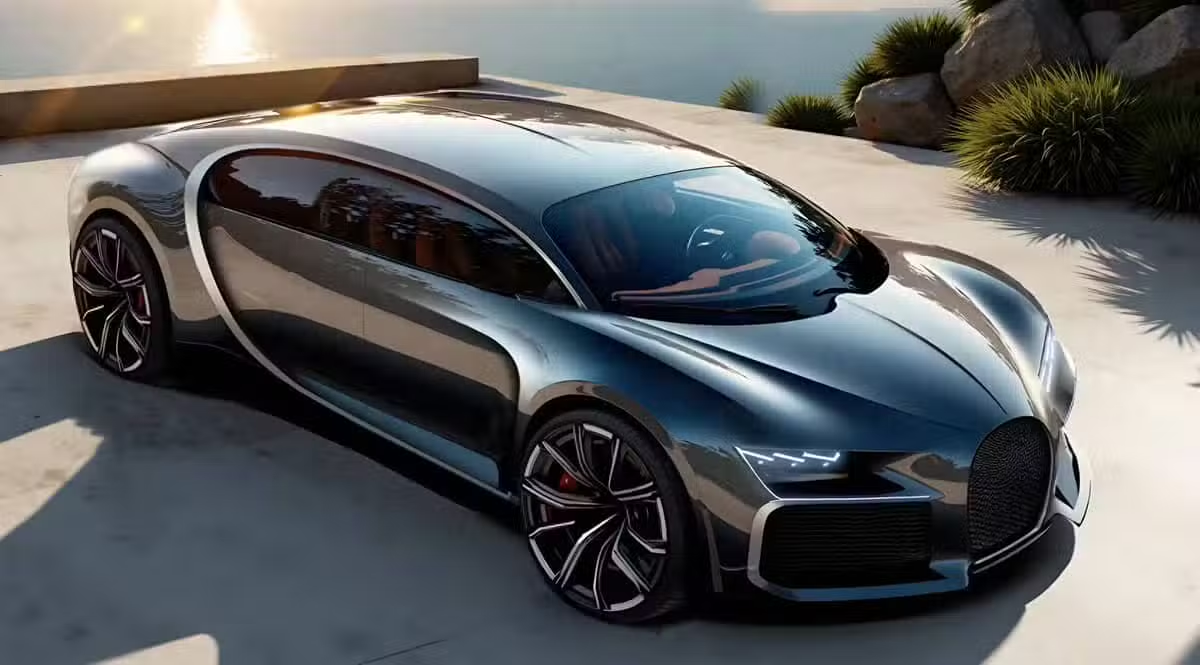
A vacuum cleaner company promised a 1,876 hp hypercar that would reach 62 mph in 0.9 seconds, parked it on a stand at CES, and never built one. In August 2026, roughly eighteen months after the announcement, the Dreame car programme was reportedly wound down without a single customer delivery. The story is worth telling anyway — not as a curiosity, but because it is a clean case study in how to read a car launch that turns out to be mostly a press release.
Table of Contents
In this in-depth guide, we break down what Dreame Car is, its design philosophy, expected performance, technology stack, interior features, pricing outlook, and why it matters in the future of electric mobility.
Dreame Car in 60 Seconds (Quick Answer)
Dreame is the Chinese home-appliance giant (a Xiaomi-ecosystem company founded by Yu Hao) that entered the car business in August 2025 — and made it real at CES 2026, where its first Dreame car, the Nebula 1 prototype, debuted with four electric motors, 1,876 horsepower, a claimed 0–100 km/h in about 1.8 seconds, and styling that openly channels Bugatti. Production was targeted for 2027, with a manufacturing site near Berlin under consideration rather than committed.
That plan now looks to be over: in late August 2026 multiple outlets — Carnewschina, Carscoops, electrive and The Verge among them — reported that Dreame has wound down its automotive division, cutting a team that had peaked near a thousand people to a few dozen handling supplier debts. Dreame has not commented publicly, so treat this as reported rather than confirmed, but it follows a June 2026 restructuring in which the company folded the car unit into its research institute and shelved mass-production plans.
Update: The Nebula 1 Is Real — CES 2026 Debut
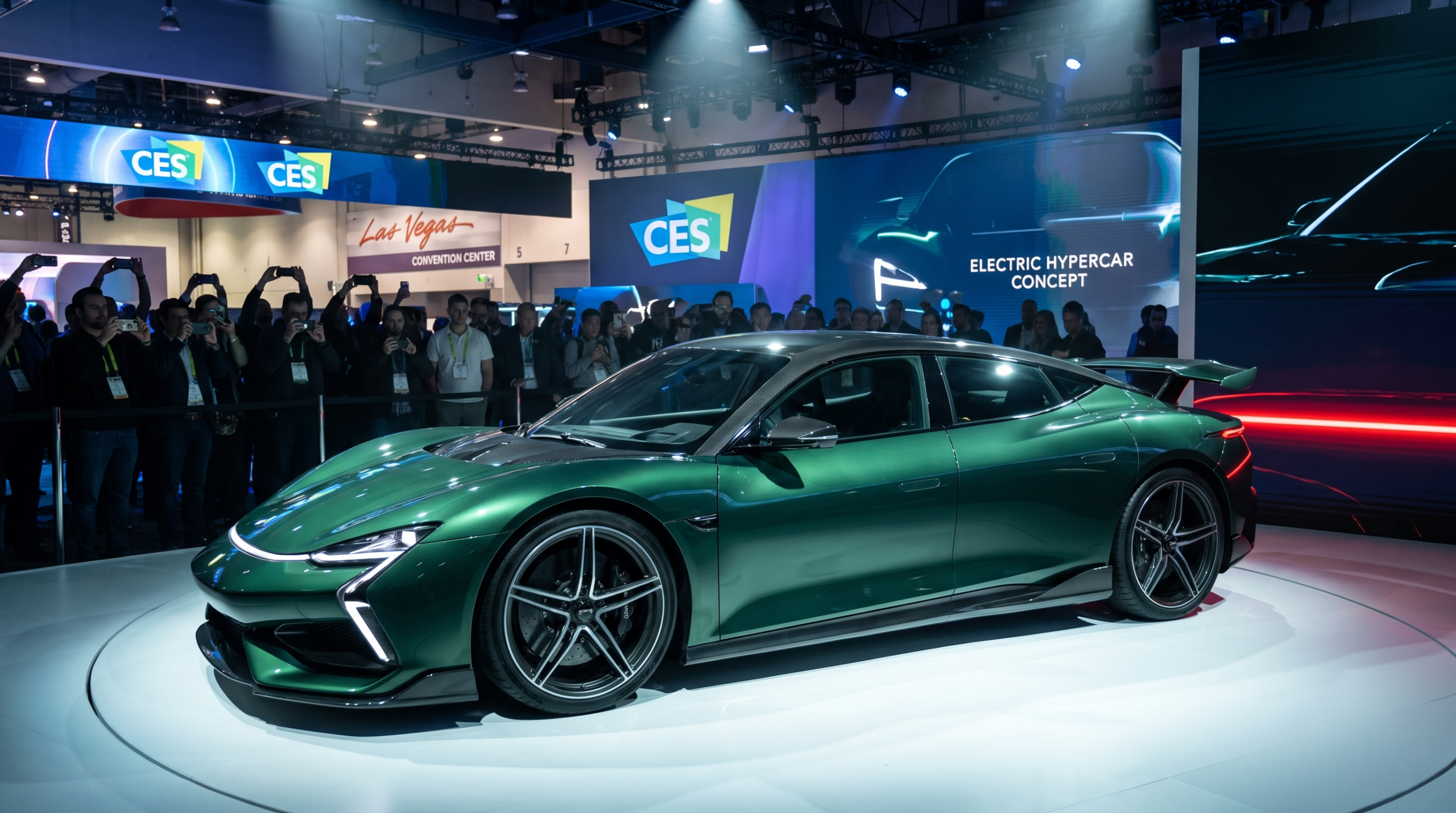
From robot vacuums to 1,876 horsepower: the Nebula 1 as it appeared in Las Vegas. Illustrative rendering.
When this story first ran, the Dreame car was renders and ambition. As of CES 2026 in Las Vegas, it is a physical prototype: the Nebula 1, a four-door electric hypercar finished in deep green with carbon fiber accents, L-shaped headlights, a fixed rear wing, and a full-width taillight. The headline numbers — 1,876 hp from four motors and a sub-two-second sprint to 100 km/h — put it in Rimac Nevera territory on paper, from a company best known for robot vacuums.
The skepticism writes itself, and the design’s resemblance to Bugatti’s rarest machines has drawn plenty of commentary. But the trajectory — announcement to running prototype in under eighteen months, plus a stated Berlin manufacturing plan — is the part serious observers aren’t laughing at.
Dreame Nebula 1
Claimed Spec
Power
1,876 hp (1,399 kW)
Motors
Four electric motors, AWD
0–100 km/h
~1.8 seconds (claimed)
Body
Four-door electric hypercar
Debut
CES 2026, Las Vegas
Production target
2027, planned Berlin facility
The Dreame Car Timeline So Far
Date
Milestone
2017
Dreame joins the Xiaomi ecosystem as an appliance maker
August 2025
Dreame announces entry into the automotive business
September 2025
First renders appear; Bugatti comparisons begin immediately
January 2026
Nebula 1 prototype debuts at CES in Las Vegas
2027 (target)
First production Dreame car planned for market
What Is Dreame Car?
Dreame Car is an emerging electric vehicle brand tied to the rapidly expanding Chinese smart-mobility ecosystem. Much like other next-generation EV manufacturers, Dreame focuses on:
Smart driving technology
Software-first vehicle architecture
High-performance electric powertrains
Premium yet minimalist interior design
Dreame’s ambition is clear: blend cutting-edge consumer electronics DNA with automotive engineering, delivering an EV that feels closer to a smartphone on wheels than a traditional car.
The Design Philosophy
Dreame Car leans heavily into modern luxury aesthetics:
Exterior Highlights
Sleek, aerodynamic body lines
Flush door handles for improved efficiency
LED light bars front and rear
Coupe-inspired roofline in sedan variants
The look targets buyers who want something futuristic but understated, similar to what brands like Tesla, Zeekr, and Lucid aim for—but with distinctly Asian-market design cues.
Interior & Cabin Technology
Step inside a Dreame Car and the brand’s tech-first mindset becomes obvious.
Interior Features (Expected / Highlighted)
Ultra-wide digital instrument panel
Floating central infotainment screen
Minimal physical buttons
Ambient lighting with multi-zone customization
Premium vegan leather and soft-touch materials
The cabin emphasizes clean lines, intuitive UI, and a lounge-like experience, making it appealing for both daily commuting and long-distance travel.
Performance & Electric Powertrain
While final specs may vary by model and market, Dreame Car vehicles are expected to feature:
Long-range battery options (estimated 400–500+ miles CLTC)
Fast DC charging capability
Dual-motor AWD variants for performance trims
Smooth torque delivery and quiet ride characteristics
Acceleration figures are projected to rival leading EV sedans, putting Dreame squarely in competition with high-end electric vehicles rather than entry-level commuters.
Autonomous Driving & AI Systems
One of Dreame Car’s biggest selling points is advanced driver assistance and AI integration.
Smart Driving Features
Adaptive cruise control
Lane centering and automated lane changes
Smart parking assist
Highway and urban pilot modes (market-dependent)
Powered by onboard sensors, cameras, and AI chips, Dreame aims to deliver Level 2+ to Level 3-assisted driving capabilities, aligning with global EV leaders.
Infotainment & Software Ecosystem
Dreame Car vehicles are designed to stay connected and constantly evolving.
This software-driven model allows Dreame cars to improve over time, unlocking new features without requiring dealership visits.
Pricing & Market Positioning
Although official pricing depends on regional rollout, Dreame Car is expected to be positioned as:
More premium than mass-market EVs
More affordable than ultra-luxury brands
Estimated pricing bands:
Entry trims: competitive with Tesla Model 3 / Model Y equivalents
Upper trims: luxury EV sedan territory
This strategy places Dreame in the “accessible premium EV” category, a space with massive global demand.
Why This Brand Matters in the EV Market
Dreame Car reflects a broader shift happening in the automotive world:
EV innovation is no longer limited to legacy brands
Chinese automakers are leading in software integration
Consumers want technology-forward luxury, not just horsepower
As global regulations push toward electrification, brands like Dreame are positioning themselves to leapfrog traditional manufacturers with faster development cycles and consumer-electronics expertise.
Upstart vs. Traditional Luxury Automakers
Feature
Dreame Car
Traditional Luxury Brands
Software Updates
OTA-first
Limited / Dealer-based
Interface Design
Minimal & digital
Button-heavy
Smart Features
AI-focused
Gradual adoption
Price-to-Tech Ratio
Very competitive
Higher cost
This comparison highlights why Dreame Car appeals to younger, tech-savvy luxury buyers.
Global Expansion Outlook
While Dreame Car initially targets the Chinese market, international expansion is likely as demand grows for premium electric vehicles in:
Europe
Middle East
Select North American segments
Regulatory approvals and charging infrastructure will determine the pace, but global interest is already building.
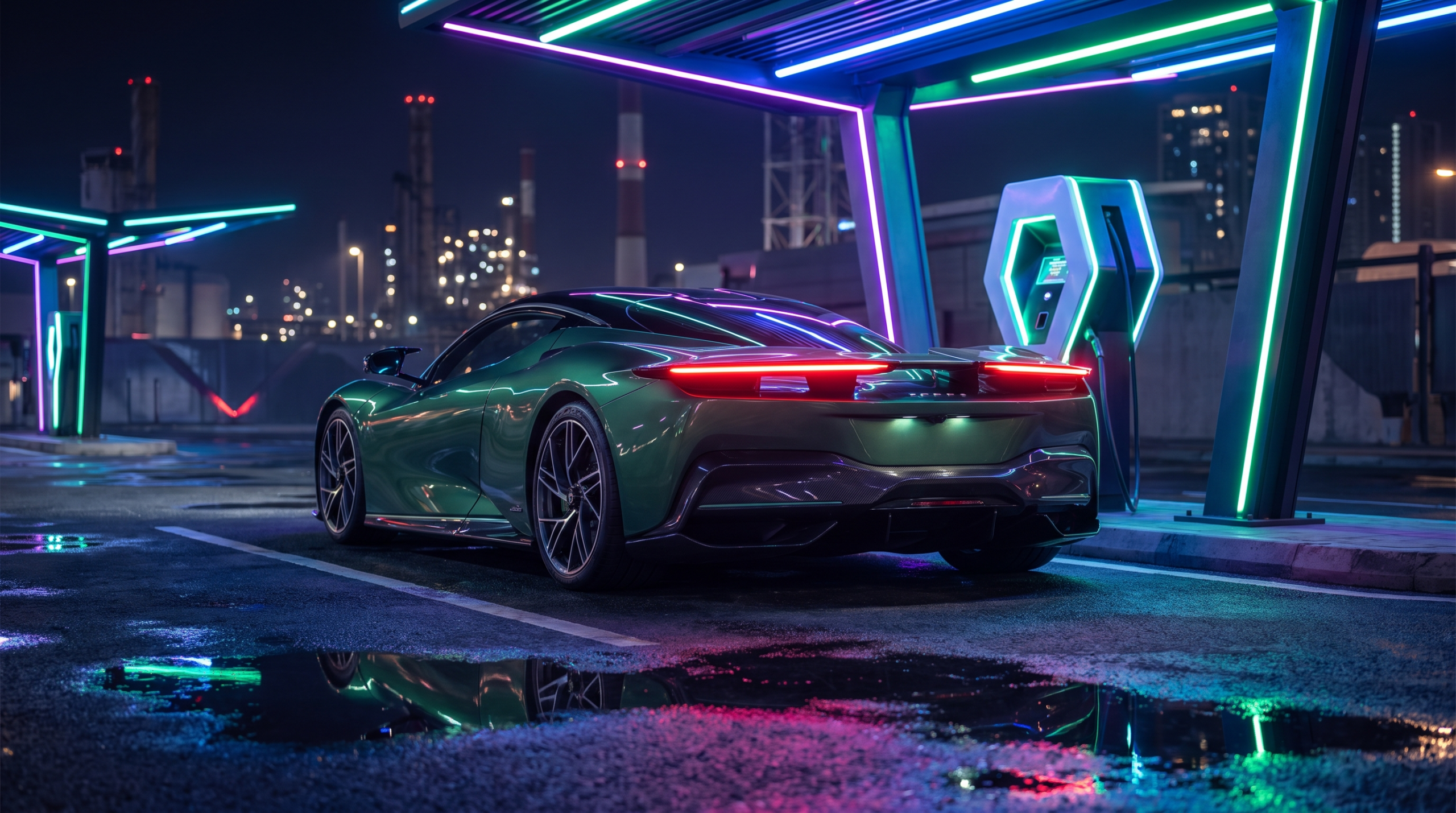
The bet: that software, batteries, and audacity beat a century of heritage. Illustrative rendering.
Nebula 1 vs. the Established Electric Hypercars
Dreame Nebula 1
Rimac Nevera
Pininfarina Battista
Lotus Evija
Power
1,876 hp (claimed)
1,914 hp
1,877 hp
2,011 hp
0–100 km/h
~1.8 s (claimed)
1.81 s (verified)
1.86 s
~2.0 s
Doors
Four
Two
Two
Two
Status
Prototype; 2027 target
In production
In production
In production
The table explains both the excitement and the eye-rolls. On paper, the Dreame car walks straight into the most exclusive performance club on Earth — with two extra doors. The difference is the third row: Rimac, Pininfarina, and Lotus have delivered verified, homologated cars to customers. Dreame has delivered a stage prototype and a promise. The gap between those two states is where most would-be hypercar makers vanish — and where Dreame’s appliance-scale balance sheet gives it a better chance than most.
One more wrinkle worth watching: if a four-door with these numbers arrives anywhere near an attainable price, its nearest real rival isn’t a hypercar at all — it’s the Lucid Air Sapphire and Tesla’s fastest sedans, a segment where the Dreame car would be the theatrical outlier rather than the newcomer.
The Xiaomi Playbook: Why Appliance Money Is Chasing Hypercars
A vacuum company building a Bugatti rival sounds absurd until you remember the precedent: Xiaomi — the phone maker whose ecosystem Dreame belongs to — launched its first EV and promptly set production-car records at the Nürburgring. Chinese consumer-tech giants bring three weapons legacy automakers envy: software talent, battery supply-chain intimacy, and marketing machines with hundreds of millions of existing customers. The Dreame car is that playbook aimed at the very top of the market.
The strategy of debuting at CES rather than a traditional motor show says the quiet part aloud: Dreame sees the car as a technology flagship first — the four-motor halo product that makes the eventual volume models credible, exactly the arc Rimac and Lucid rode before it, and the same corridor of change we covered when Porsche restructured around Bugatti Rimac.
What This Hypercar Bet Means for Exotic Buyers
Should current exotic owners care? Watchfully, yes. Not any more, and the reason is worth sitting with. Every number attached to this car came from Dreame and none of it was ever independently verified — reports since have alleged the CES show car lacked a chassis and was moved by remote control.
No price was ever published; the only figure reported put it north of $1.5 million, not the bargain-hypercar slot the launch coverage implied. What it will not disrupt is scarcity and provenance: a mass-manufactured 1,876-hp EV threatens lap-time bragging rights, not the value of a one-off coachbuilt Bugatti. Character, rarity, and documentation remain the moats — the same fundamentals in our buyer’s guide apply whether the badge is a century old or eighteen months.
The realistic checklist between now and 2027: watch whether the Berlin plant breaks ground, whether stated specs survive homologation, and whether Dreame can build a service and parts network worthy of the price point — the rock on which most new exotic brands break. Until then, the Dreame car is the most interesting question mark in the EV world: equal parts audacity and déjà vu.
Final Thoughts: One to Watch?
Absolutely.
Dreame Car represents the next evolution of electric vehicles, where design, software, AI, and sustainability intersect. While still early in its journey, the brand shows strong potential to disrupt both mainstream and luxury EV categories.
For drivers seeking a futuristic, intelligent, and premium electric car experience, Dreame is a name worth remembering.
Dreame Car: Frequently Asked Questions
What is the Dreame car?
The Dreame car is the automotive venture of Dreame, the Chinese appliance maker in Xiaomi’s ecosystem. Its first model, the Nebula 1 — a four-door electric hypercar with 1,876 hp from four motors — debuted as a prototype at CES 2026.
How fast is the Dreame Nebula 1?
Dreame claims 1,876 horsepower (1,399 kW) from four electric motors and 0–100 km/h in roughly 1.8 seconds — Rimac Nevera-territory numbers, pending independent verification.
When can you buy a Dreame car?
On current reporting, never. In late August 2026 several outlets reported that Dreame had wound down its automotive division before selling a single car. Dreame has not commented publicly, so treat it as reported rather than confirmed — but production plans had already been shelved in a June 2026 restructuring that folded the car unit into the company research institute.
Why does the Dreame car look like a Bugatti?
Dreame has openly benchmarked Bugatti, and the Nebula 1’s styling closely echoes it — a deliberate statement of ambition that has drawn both criticism and enormous attention, which may be the point.
Is Dreame a serious car company?
That question now looks answered, and not in Dreame favour. It never sold a car, reports since have alleged the CES show car lacked a chassis and was moved by remote control, and the automotive division was reportedly wound down in August 2026. The appliance profits and the Xiaomi-ecosystem playbook were real; the car never got past a show stand.
Owning an exotic car is not about speed or luxury- It’s about embracing an experience, where the road becomes your canvas and the car, your masterpiece.
What owning a Lamborghini actually involves: how allocation really works, the five-year maintenance programme, real clutch and service bills, insurance, values and Polo Storico.
How buyers can verify window stickers, build sheets, owner’s manuals and factory records before purchasing a rare, exotic or classic car — including Ferrari Classiche, Porsche CoA and marque archive programs.
Monterey Car Week explained: every event in the ten days, which are free and which are not, the confirmed 2027 dates, and what the 2026 edition actually produced.