There is a story people tell about owning a Lamborghini, and it is roughly the opposite of the story people tell about buying a Ferrari. Ferrari, the version goes, makes you earn it over years. Lamborghini just takes your money.
We went looking for the evidence behind that, and it is not there. Owning a Lamborghini is not the open-door alternative it gets sold as. What is there is more interesting, and it changes what you should actually do. Both companies ration their cars. They just ration them differently, and the difference decides how you get one, what you pay after you have it, and which model quietly costs three times what you budgeted. Our family has been in the car business for more than a century; below is what we would tell a friend before they signed.
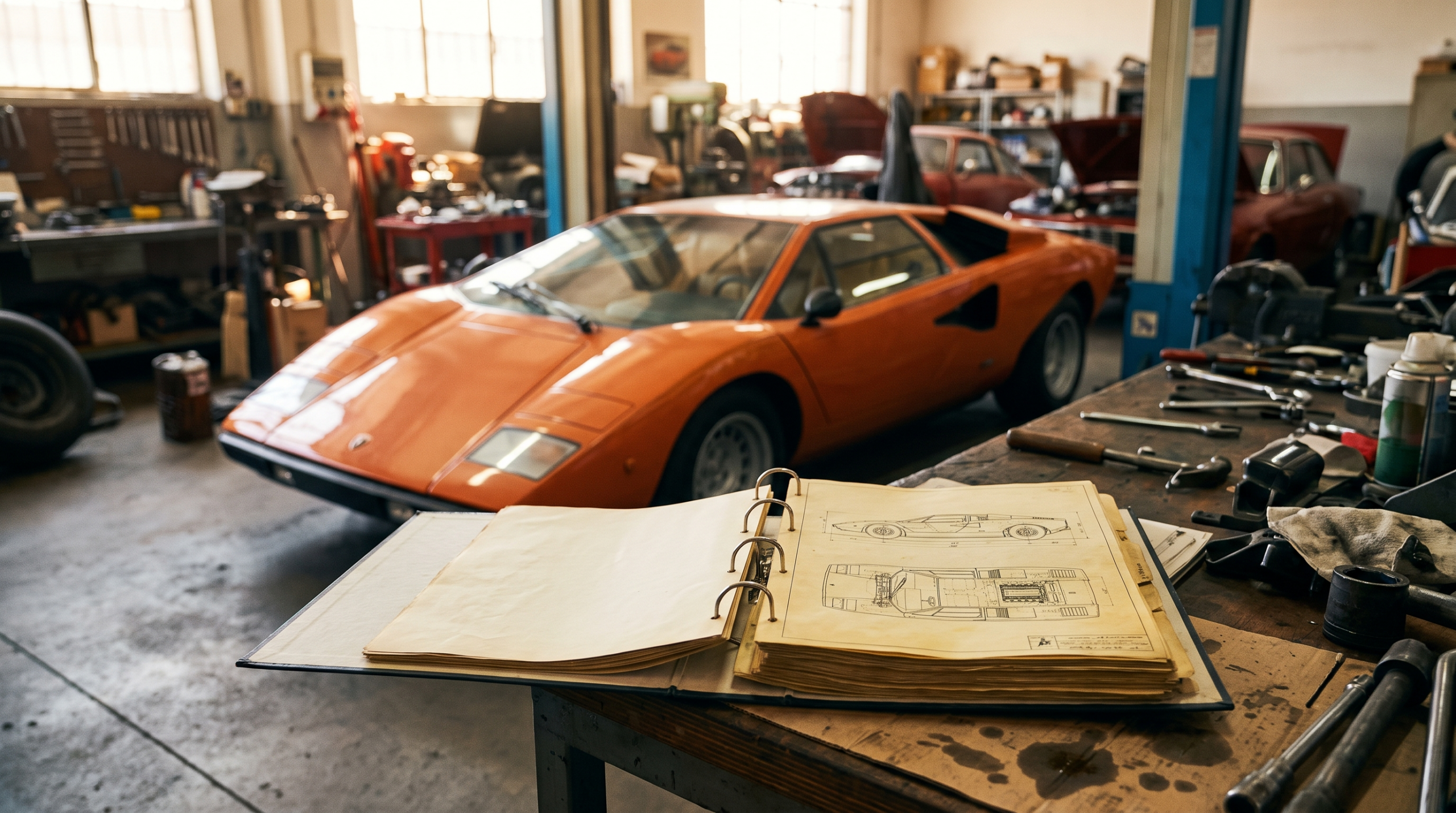
Buying new and buying used are two different processes with two different sets of rules. Illustrative image.
Quick Answer: What Owning a Lamborghini Actually Involves
Getting a new one is easier than getting a new Ferrari, but not because Lamborghini is less selective — it is because the queue is shorter. Lamborghini’s order book stood at roughly one year as of July 2026, against Ferrari’s, which runs toward the end of 2027. The current range is three plug-in hybrids: Revuelto, Temerario and Urus SE, and all three include five years of scheduled maintenance.
Used is where the real decisions are. Budget roughly $3,500 to $8,000 a year for insurance depending on model and state, $1,500 to $2,500 for a routine service, and treat the single-clutch cars as a category of their own: a Gallardo e-gear clutch is a $7,000 to $12,000 job that can arrive every 10,000 to 15,000 miles. The cheapest Lamborghini to own is the Urus, not the Gallardo — and that surprises almost everyone.
Table of Contents
Owning a Lamborghini New: How the Company Decides Who Gets One
Start with what the company has actually said, because a great deal of what circulates about owning a Lamborghini was never said by anybody.
Stephan Winkelmann, Chairman and CEO, told WardsAuto in August 2024: “Our goal is always to sell less than demand.” A year later he put it in terms of what that protects — the balance between the order bank and residual values, rather than the number of cars sold. That is the same scarcity logic Ferrari runs on, which means owning a Lamborghini is a rationed privilege too, not the open door of the folklore.
What genuinely differs is the mechanism. Ferrari operates a documented loyalty ladder: Reuters reported in June 2026 that 84% of Ferrari’s 2025 sales went to existing owners, with limited editions favouring multiple-car owners who attend factory events and hold their cars. Lamborghini publishes no allocation criteria at all, and we found no evidence of a central loyalty list for series-production cars. Allocation runs through the dealer network.
So the honest summary is this: Ferrari rations by relationship, Lamborghini rations by queue. For a first-time buyer that is genuinely better news, because a queue is something you can simply join. But it is not an absence of gatekeeping, and it stops being true the moment you want something limited.
Lamborghini publishes no allocation criteria, so the dealer network holds more discretion than at Ferrari. Illustrative image.
The queue is getting shorter, and that is worth knowing
Lamborghini reports its order book in its own financial communications, so the queue to owning a Lamborghini is trackable rather than anecdotal — and the direction has reversed over two years.
Date
Official position on the order book
August 2024
Order bank around 18 months
Q1 2025
Revuelto waiting times exceeding two years
Q3 2025
Revuelto to Q1 2027; Temerario and Urus SE well into 2026
Q1 2026
Temerario and Urus SE close to sold out for the rest of 2026
July 2026
“Waiting time of approximately one year” across the book
How long owning a Lamborghini takes to begin: the order book as reported in Lamborghini’s own quarterly and half-year financial communications. Ferrari’s, by comparison, was reported in February 2026 as extending toward the end of 2027.
A shrinking queue is easier to join, but it is not automatically good news for the company, and Lamborghini’s own numbers show why. Deliveries came to 10,747 cars in 2025 with revenue of €3.20 billion, but the Americas fell from 3,712 cars to 3,347 — about 10% down in a year. Winkelmann attributed the pressure to EU import tariffs the company chose not to pass on in full to US buyers. First-half 2026 deliveries were down 4.6% again, on record revenue.
For anyone thinking about owning a Lamborghini, the reading is simple. The best window to order a new Lamborghini in years is roughly now, because the wait has halved and demand in the US has softened. That will not last indefinitely.
Limited editions work exactly like Ferrari’s
Here the supposed contrast collapses entirely, and owning a Lamborghini looks exactly like owning a Ferrari. Asked about the few-off programme, Winkelmann told Drive that these cars are “part of rewarding our customers, which are the most loyal ones.” Lamborghini’s own release for the Fenomeno describes it as being for “those customers who expect the utmost exclusivity from us.”
The record backs that up. The 40 Centenarios were all sold before the car was shown at Geneva in 2016. The 112 Countach LPI 800-4s were gone by August 2021. The Sián ran to 63 coupes and 19 roadsters, and the Fenomeno’s 29 customer cars were reported as nearly all spoken for on the day it was revealed. If you are not already a customer, these were never available to you, and the cadence is only one every three or four years.
One correction worth making, because it circulates as fact: there is no verified Lamborghini resale-restriction or right-of-first-refusal clause binding owners. The widely repeated claim that Sián buyers signed a 24-month lock-in traces to a single enthusiast site paraphrasing an unnamed contract, with no document and no confirmation. What is documented is a restriction on dealers, not owners — and that is a live legal story.
Owning a Lamborghini Means Dealing With a Dealer, Not the Factory
Because Lamborghini has no central loyalty ladder, the dealer holds more power over who ends up owning a Lamborghini than at Ferrari — and in January 2024 the company sued one of its own over what it alleges happened as a result.
In Automobili Lamborghini America v. Gold Coast Exotic Imports, filed in the Northern District of Illinois, Lamborghini alleges the Chicago dealer ran a “shadow program” of off-the-books payments demanded from customers to access limited-edition cars, and that at least 32 transactions in 2023 involved buyers misrepresented as retail customers when they were brokers and resellers. The Chicago Sun-Times reported that Lamborghini alleged the dealer demanded off-the-books kickbacks from customers amounting to hundreds of thousands of dollars. The dealer denies the allegations and has counterclaimed. Nothing is proven, and the case has not been tried.
We raise it because of what it tells a buyer, rather than what it says about one dealership. Lamborghini’s dealer agreement restricts sales to retail customers, brokers and resellers are prohibited, and the company is willing to litigate to enforce it. If you are asked to pay anything above the invoice to secure an allocation — a “market adjustment” on a limited car, a required accessory package, a donation to something — that is a conversation to have in writing, and one worth taking to Lamborghini directly rather than accepting as the cost of entry.
Warranty and Maintenance: What Changed for Owning a Lamborghini in 2025
Owning a Lamborghini bought new comes with three years of bumper-to-bumper and powertrain cover, unlimited mileage, plus twelve years against rust perforation. That has been the standard for some time. What changed recently is everything around it.
In October 2025 Lamborghini announced an aftersales programme it calls Defeat Time, and three things in it change the economics of owning a Lamborghini: five years of scheduled maintenance included with the Temerario, Revuelto and Urus SE; an eight-year warranty on the high-voltage battery in the hybrids; and a Selezione warranty extension that can run up to ten years from first registration.
Two cautions before you count on it when owning a Lamborghini bought used. The included maintenance applies to those three current models only — it is not retroactive, so no Huracán, Aventador or Gallardo has it. And Lamborghini has not published whether that five years transfers to a second owner. Ferrari’s equivalent explicitly does, free of charge, which is a real advantage for a used Ferrari buyer and one you cannot assume here. Get it confirmed against the VIN in writing before you agree a price.
Lamborghini
Ferrari
Programme
Scheduled maintenance included
7-Year Genuine Maintenance
Length
5 years
7 years
Coverage
Revuelto, Temerario, Urus SE only
Whole range, model year 2012 onward
In place since
October 2025
2011
Transfers to next owner
Not published — confirm with the dealer
Yes, free of charge
The two factory maintenance programmes compared. Lamborghini’s is newer and narrower, and the transferability question is the one that matters most when owning a Lamborghini bought used.
If owning a Lamborghini used is the plan, the certified programme is Selezione — twelve to twenty-four months of additional factory warranty, a 150-point check, and roadside assistance. Eligibility caps are roughly seven years or 43,500 miles for Huracán and Aventador and ten years or 62,000 miles for Urus, though Lamborghini’s own pages and US sources state the age cap slightly differently, so check it for the specific car.
What Owning a Lamborghini Costs Once You Are Paying
The scheduled side of owning a Lamborghini runs on 9,000-mile or annual intervals, with a bigger service at 18,000 miles adding plugs, coolant, belt and brake fluid, and gearbox fluid at 27,000. Here is what independent specialists actually charge in the US.
Model
Minor / annual
Major service
Tyres, per set
The big one
Urus
~$1,500
~$2,500
~$2,000
None — torque-converter auto
Huracán
$850–$1,500
$3,500–$6,000
$3,000–$5,000
None — dual-clutch
Gallardo
~$1,400
—
$1,500–$2,500
E-gear clutch $7,000–$12,000
Aventador
~$1,100
~$4,000
~$3,000
Clutch ~$10,000 fitted
Murciélago
—
—
—
Clutch is an engine-out job
Independent specialist pricing in the United States, 2026. Dealer rates run higher. The right-hand column is the one that decides whether owning a Lamborghini is affordable.
Read that table from the right. Routine servicing on any of these cars is a few thousand dollars a year — unremarkable at this level. The scheduled drivetrain jobs are what separate them, and they are separated by an order of magnitude.
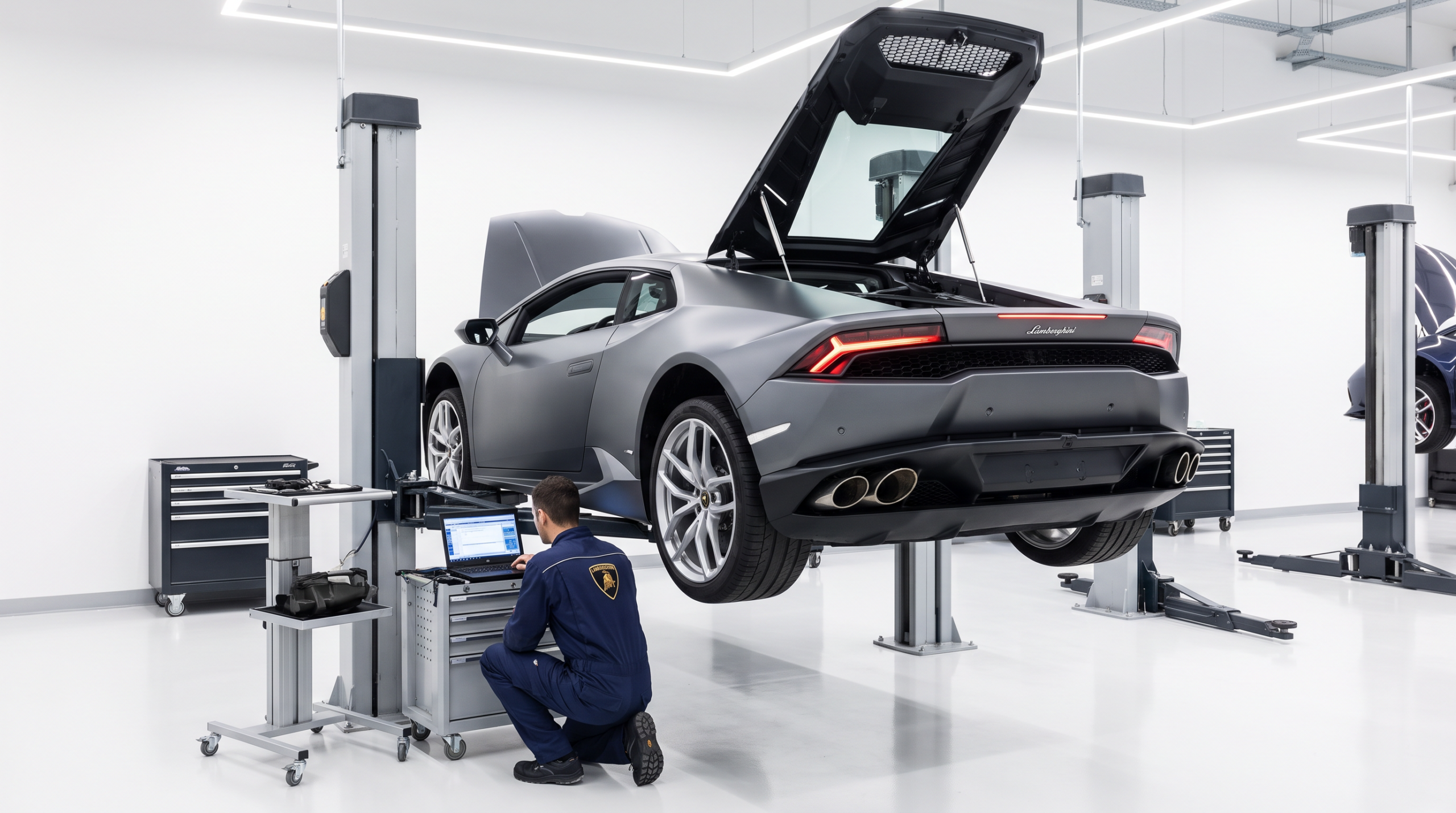
On a Gallardo the e-gear clutch is a transmission-out job; on a Murciélago the engine has to come out. Illustrative image.
The Gallardo is the cheapest to buy and one of the most expensive to keep
This is the single most useful thing on this page, because the Gallardo is the car most people looking at owning a Lamborghini for the first time end up considering. Average sale price is around $124,500. It looks like the way in.
Then the e-gear clutch. Parts run $5,000 to $8,500 new, labour is twenty to twenty-five hours, and the job totals $7,000 to $12,000 or more. Estimates of its life vary widely and you should treat any single figure with caution: hard-driven cars are commonly quoted at 10,000 to 15,000 miles, while Hagerty’s own Gallardo buyer’s guide says later software updates prolonged clutch life to as much as 20,000 miles, and gently driven cars can reach 40,000. On the early 2003–2008 cars, revised clutches sometimes failed in under 30,000 miles. A separate e-gear system or actuator failure — not the clutch, the mechanism — is another $10,000 and usually immobilises the car.
Put plainly: owning a Lamborghini this way carries a recurring bill approaching a tenth of the car’s value, potentially more than once, on a vehicle with no warranty, no eligibility for Selezione and none of the included maintenance. That is a very different proposition from the sticker price.
The fix is the gated manual, and it is the rare case where the enthusiast’s choice and the financial one may be the same car. A manual has no clutch actuator to fail and no adaptation procedure, and manual cars command a clear premium across the range — Hagerty notes that a manual Murciélago “can almost double an asking price.” You pay more going in, you remove the largest running risk, and you hold the version the collector market wants. Note that Hagerty does not publish a specific transmission adjustment for the Gallardo, so price the premium against actual listings rather than a rule of thumb.
Whatever you buy, insist on a documented clutch reading. The diagnostic reports remaining life as a percentage or as thickness in millimetres, and the second half of a clutch wears faster than the first. Written evidence, not the seller’s reassurance.
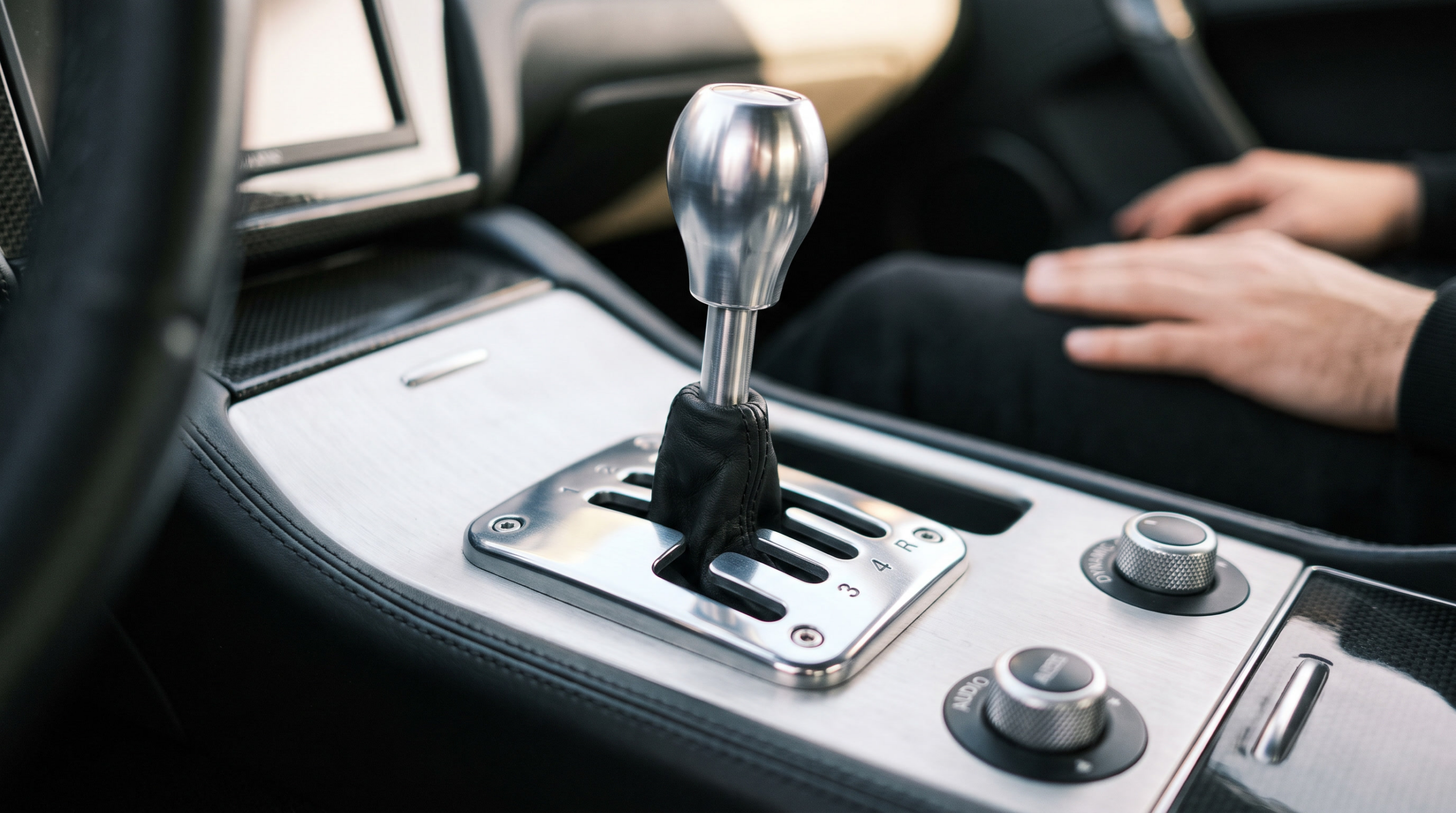
Hagerty applies a 50% premium to a manual Gallardo over an e-gear car — and it has no clutch actuator to fail. Illustrative image.
The cheapest Lamborghini to own is the Urus
On the evidence it is not close, and it is not the answer most people expect. The Urus has the lowest insurance of the range, the cheapest servicing, the cheapest tyres and brakes, and — decisively — a conventional eight-speed torque-converter automatic with no clutch to replace, ever. It shares its platform with Porsche and Audi, which is exactly why the parts and labour are cheaper.
It also depreciates the least. iSeeCars puts five-year depreciation at 33.2% against an all-vehicle average of 41.5%, meaning a Urus holds value better than the average new car of any kind. As the Urus SE it is one of the three models carrying five years of included maintenance.
If the objection is that an SUV is not what you pictured when you imagined owning a Lamborghini, that is fair and it is a real trade. But the ranking on cost is Urus, then Huracán, then Gallardo, then Aventador, with the Murciélago in a category of its own on account of that engine-out clutch.
Insurance: The Largest Fixed Cost of Owning a Lamborghini
Published US insurance figures vary enormously depending on who is doing the modelling, and it would be dishonest to average them into one tidy number. Here is the actual spread.
Model
MoneyGeek (May 2026)
ValuePenguin, NYC (Jun 2026)
Urus
$3,576
—
Huracán
$3,600
$6,665
Gallardo
$3,696
$5,424
Aventador
$4,656
$7,949
Murciélago
$4,728
$5,427
Temerario
$4,980
—
Revuelto
$6,468
—
Annual full-coverage premiums for owning a Lamborghini. MoneyGeek models a favourable national profile; ValuePenguin quotes New York City specifically, close to a US worst case. Insurify’s larger real-quote sample puts the brand average around $6,192 a year with no model breakdown.
The defensible planning figure is $3,500 to $8,000 a year, with the Revuelto consistently the most expensive modern car to insure and the Urus consistently the least. Two things move it more than the car does: your state, and your policy type. ValuePenguin found collector-car policies averaging 44% less than standard cover on these vehicles — worth pricing if the car is a second or third vehicle with limited annual mileage and secure storage. This is general information rather than advice on your circumstances; get real quotes on the specific VIN before you commit.
Values: The Market Has Turned Toward Lamborghini
This is the genuinely good news about owning a Lamborghini, and it is a reversal of how these cars were regarded a decade ago. A Hagerty Insider analysis of condition-tier values put Lamborghini up 45% over five years and 8.6% over one — against Porsche at 41% and 4.1%, and Ferrari at 6.6% over five years and down 1.4% over one. Treat those as one measure among several: Hagerty’s separately published Ferrari Index, which tracks a different basket of cars, reads very differently.
Model
Average sale
Notable
Gallardo
$124,558
Hagerty values a 2009 LP560-4 at $128,000, trending +8.5%
Urus
$212,691
Performante $277,411; SE $305,736
Huracán
$255,018
LP580-2 $180,493; STO $338,107
Aventador
$504,716
LP700-4 $291,228; SVJ Roadster $1,077,953
CLASSIC.COM average sale prices, accessed August 2026 — the entry cost of owning a Lamborghini, by model. Values move; treat these as a snapshot and check the live model pages before pricing a car.
The sharpest recent move is the Murciélago. Hagerty UK reported in August 2026 that prices had risen roughly a third across the variants in eighteen months, from just under £200,000 for a good 2002 E-gear coupe to around £860,000 for a concours LP670-4 SV — with 38% of quote enquiries coming from millennials, which is usually the signal that a car has stopped being second-hand and started being collectible.
A necessary counterweight, because rising values are not a guarantee. A 142-mile Countach LPI 800-4 failed to sell at $2.2 million on Bring a Trailer in March 2026. The same car had made $2.5 million in September 2024, and its original sticker was $2,836,528. Even the most exclusive modern Lamborghini can lose money, and buying a limited edition as an investment is a strategy, not a certainty. If values are your main interest, our guide to which exotic cars are actually appreciating covers the wider market with the auction data behind it.
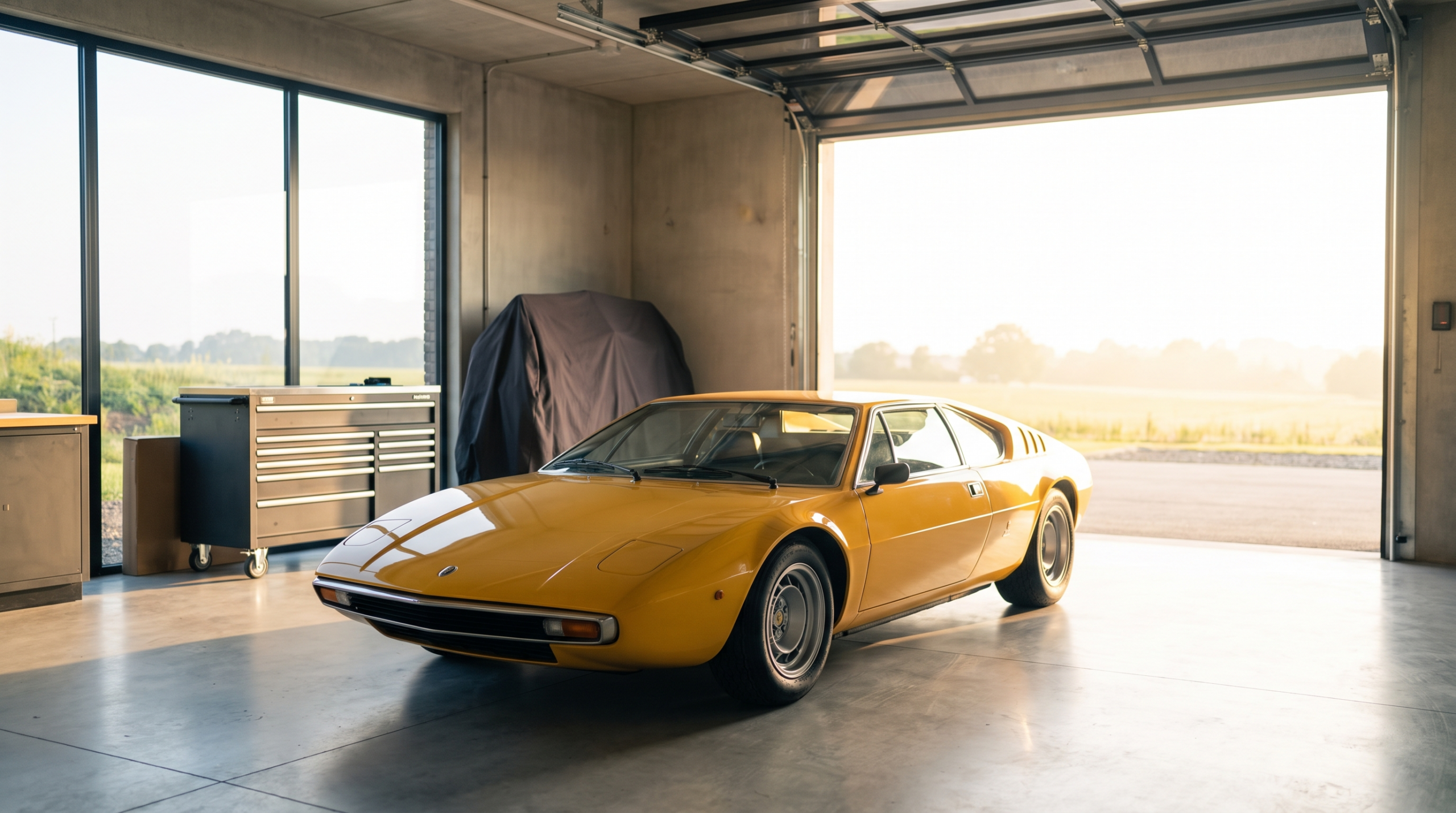
Polo Storico covers cars built between 1963 and 2001 — a fixed cut-off, not a rolling window. Illustrative image.
Ad Personam, Polo Storico and the Rest of Owning a Lamborghini
A large part of owning a Lamborghini happens away from the car itself, and this is where the company is genuinely strong.
Ad Personam is the factory personalisation programme, and there is a studio at Sant’Agata Bolognese you visit through your dealer — materials in hand, engine sounds played, your configuration rendered live with a specialist, and a walk through the production departments. Lamborghini said in 2021 that it had developed 348 unique Ad Personam colours, and that Americans led the world in requesting a custom colour, at 20% of buyers — company figures, and now several years old. The in-house saddlery will embroider more or less anything into the interior. Lamborghini has never published what any of it costs, and figures circulating online trace back to an April Fools’ article, so treat any specific number you read with suspicion.
Polo Storico is the heritage department, founded in 2015, and it does archive research, authenticity certification, restoration and original parts. Certification has been reported at €7,000 to €10,000 depending on the model, though Lamborghini publishes no price of its own. There is one structural detail that almost nobody points out and that matters if owning a Lamborghini of a certain age is the plan.
Polo Storico
Ferrari Classiche
Founded
2015
2006
Eligibility
Currently 1964–2001, 350 GT to Diablo, and moving forward over time
Rolling: road cars over 20 years old
Original chassis
Non-original parts noted on the certificate
Mandatory for certification
Published cost
€7,000–€10,000
Not published
The two heritage programmes compared. The eligibility row is the one to read twice before owning a Lamborghini built after 2001.
Ferrari’s window rolls forward automatically, so the F430 and 599 are already eligible and the 458 will be soon. Lamborghini’s currently stops at the last Diablo, but it is not frozen there: global after-sales director Alessandro Farmeschi told Newsweek that the department works on cars roughly 20 to 30 years older than the current range, and that on the Murciélago “we speak about Murciélago in 2030”. If part of your reasoning for buying a modern-classic Lamborghini is eventual factory certification, that reasoning does not hold.
On the driving side, Esperienza ran 22 owner events across five continents in 2026, in five formats — road touring, off-road, snow and ice, track, and destination drives. Accademia is the track school, now at Vallelunga near Rome in the Temerario, in three tiers. Neither has published pricing. Super Trofeo does: IMSA’s 2025 North American championship brochure lists a full season entry at $90,000, a single round at $17,500, the World Finals at $15,000, and the Huracán Super Trofeo EVO2 race car at $333,000, with a Lamborghini Cup class specifically for amateur gentleman drivers. The museum and factory tour at Sant’Agata are open to anyone, not just owners.
Five Checks Before Owning a Lamborghini
Get the clutch reading in writing on any single-clutch car — e-gear Gallardo, Aventador, Murciélago. A percentage or a millimetre measurement from the diagnostic, not a verbal assurance.
Confirm what maintenance and warranty actually transfer. On a Revuelto, Temerario or Urus SE, ask the dealer to confirm the remaining five-year maintenance against the VIN, in writing — Lamborghini has not published the transfer terms.
Check Selezione eligibility before you negotiate, because a car just outside the age or mileage cap is worth measurably less than one just inside it.
On a Gallardo, work out the manual premium against the e-gear risk. The manual costs about 50% more and removes the largest recurring bill. Do that arithmetic before you fall for a colour.
Commission a marque-specialist pre-purchase inspection. Not a general exotic shop, and never the seller’s own workshop. Our documentation guide covers what a gap in the file is worth as a discount.
The comfortable story — Ferrari gatekeeps, Lamborghini sells to anyone — does not survive contact with either company’s own statements. Lamborghini’s stated goal is to sell fewer cars than the market wants, its limited editions go to loyal existing customers, and its dealers hold enough discretion over allocation that the company has gone to court over how one of them used it.
What is true is narrower and more useful. The queue is about half Ferrari’s and currently shrinking, US demand has softened, and there is no purchase history to accumulate before you are allowed to order. For a first car at this level, that makes owning a Lamborghini genuinely more reachable than owning a Ferrari.
And on the used side, owning a Lamborghini is not really about the badge at all. It is about a gearbox. Buy the Urus or a manual and the running costs are ordinary for the category. Buy a single-clutch car without reading the wear percentage, and the cheapest Lamborghini on the listings page becomes the most expensive one you have ever owned. That is the whole game, and almost nobody tells you before you sign.
Owning a Lamborghini: Frequently Asked Questions
Can anyone buy a Lamborghini, or do you need an allocation?
Owning a Lamborghini bought new is open to anyone: for the current range you can simply order one. Lamborghini publishes no allocation criteria and there is no evidence of a Ferrari-style central loyalty list for series-production cars, so there is no purchase history to accumulate first. As of July 2026 the company reported a waiting time of about one year across its order book, roughly half of Ferrari, whose book extends toward the end of 2027. Limited editions are different: those go to existing loyal customers and are typically spoken for before the public reveal.
Is Lamborghini easier to buy than Ferrari?
Yes, but not for the reason usually given. Both companies deliberately restrict supply, and Stephan Winkelmann has said the goal is always to sell less than demand. The difference is the mechanism. Ferrari rations by relationship, with 84 percent of its 2025 sales going to existing owners. Lamborghini rations by queue, and a queue is something anyone can join. For a first-time buyer that is a genuine advantage, and it disappears the moment you want a limited edition.
How much does it cost to maintain a Lamborghini per year?
The routine cost of owning a Lamborghini runs roughly 1,500 to 2,500 dollars a year on a Urus and 850 to 1,500 for a Huracan annual service, with a Huracan major service at 3,500 to 6,000 dollars. Insurance is usually the bigger line at somewhere between 3,500 and 8,000 dollars depending on model, state and policy type. The Revuelto, Temerario and Urus SE include five years of scheduled maintenance from the factory, so those cars cost nothing to service during that period.
Which Lamborghini is cheapest to own?
The Urus, and it is not close. It is the cheapest route into owning a Lamborghini by every measure that recurs. It has the lowest insurance in the range, the cheapest servicing, tyres and brakes, and a conventional eight-speed automatic with no clutch to replace. It also depreciates less than the average new car of any kind, at 33.2 percent over five years against an all-vehicle average of 41.5 percent. The Gallardo is the cheapest to buy but not to keep, because of the e-gear clutch.
How much is a Lamborghini clutch replacement?
It depends entirely on the model. A Gallardo e-gear clutch runs 7,000 to 12,000 dollars all in, and can be needed every 10,000 to 15,000 miles on a hard-driven car. An Aventador clutch is around 10,000 dollars fitted, with roughly 6,700 of that in factory parts. The Murcielago is the extreme case, because the clutch sits between the engine and gearbox and the engine has to come out to reach it, which is why quotes for that job run far above the others. The Urus and Huracan have no such job at all.
Do Lamborghinis hold their value?
Better than they used to, and currently better than Ferrari. Hagerty found Lamborghini values up 45 percent over five years and 8.6 percent over one, against Ferrari at 6.6 percent over five years and down 1.4 percent over one. The Murcielago has risen about a third in eighteen months. But rising values are not guaranteed: a 142-mile Countach LPI 800-4 failed to sell at 2.2 million dollars in March 2026 after making 2.5 million in September 2024, against an original sticker of 2,836,528 dollars.
Is a manual Lamborghini worth the premium?
On a Gallardo the case is unusually strong. Hagerty applies a 50 percent premium to a manual over an e-gear car, so you pay materially more going in. In exchange you remove the single largest recurring cost of ownership, since there is no clutch actuator to fail and no adaptation procedure, and you hold the version the collector market wants. On the V12 cars the premium is larger still, with Hagerty noting a manual Murcielago can almost double an asking price.
What is Polo Storico and can my car be certified?
Polo Storico is Lamborghini’s heritage department, founded in 2015 at Sant’Agata Bolognese, covering archive research, authenticity certification, restoration and original parts. Certification costs roughly 7,000 to 10,000 euros. The critical limit is eligibility: it covers cars built between 1963 and 2001, from the 350 GT to the last Diablo, and that is a fixed cut-off rather than a rolling window. A Murcielago will never qualify, unlike Ferrari Classiche, which admits any road car over 20 years old.
Owning an exotic car is not about speed or luxury- It’s about embracing an experience, where the road becomes your canvas and the car, your masterpiece.
A gated-manual Audi R8 can deliver something a newer automatic cannot. Here is what recent sales say about the premium, how to verify a factory manual, and when the extra money serves your priorities.
A used Lamborghini Huracán can still be a smart buy in 2026, if you choose the right variant and a well-documented car. Here is which version suits which buyer, what U.S. dealers are asking, and what to check first.
A flooded Ferrari at half price can look like the deal of a lifetime. Here's how to judge the water, the paperwork, the repair math, and whether the discount is ever enough.
991.2 or 992? A buyer's guide to the used Porsche 911 Carrera decision: transmissions, body styles, options, inspection, warranty, running costs and the real price gap.