We should get the obvious out of the way first: we are a dealer. So you should read what follows with the appropriate scepticism, and we are going to earn it by telling you where the private seller wins — because on several counts, they genuinely do.
Most comparisons of this kind are written as a list of vibes: dealers are convenient but expensive, a private seller is cheaper but risky. That is roughly true and completely useless, because it skips the part that actually decides the money — the legal duties that attach to one and not the other, and a sales tax rule that on a six-figure car is worth more than any negotiation you are likely to win.
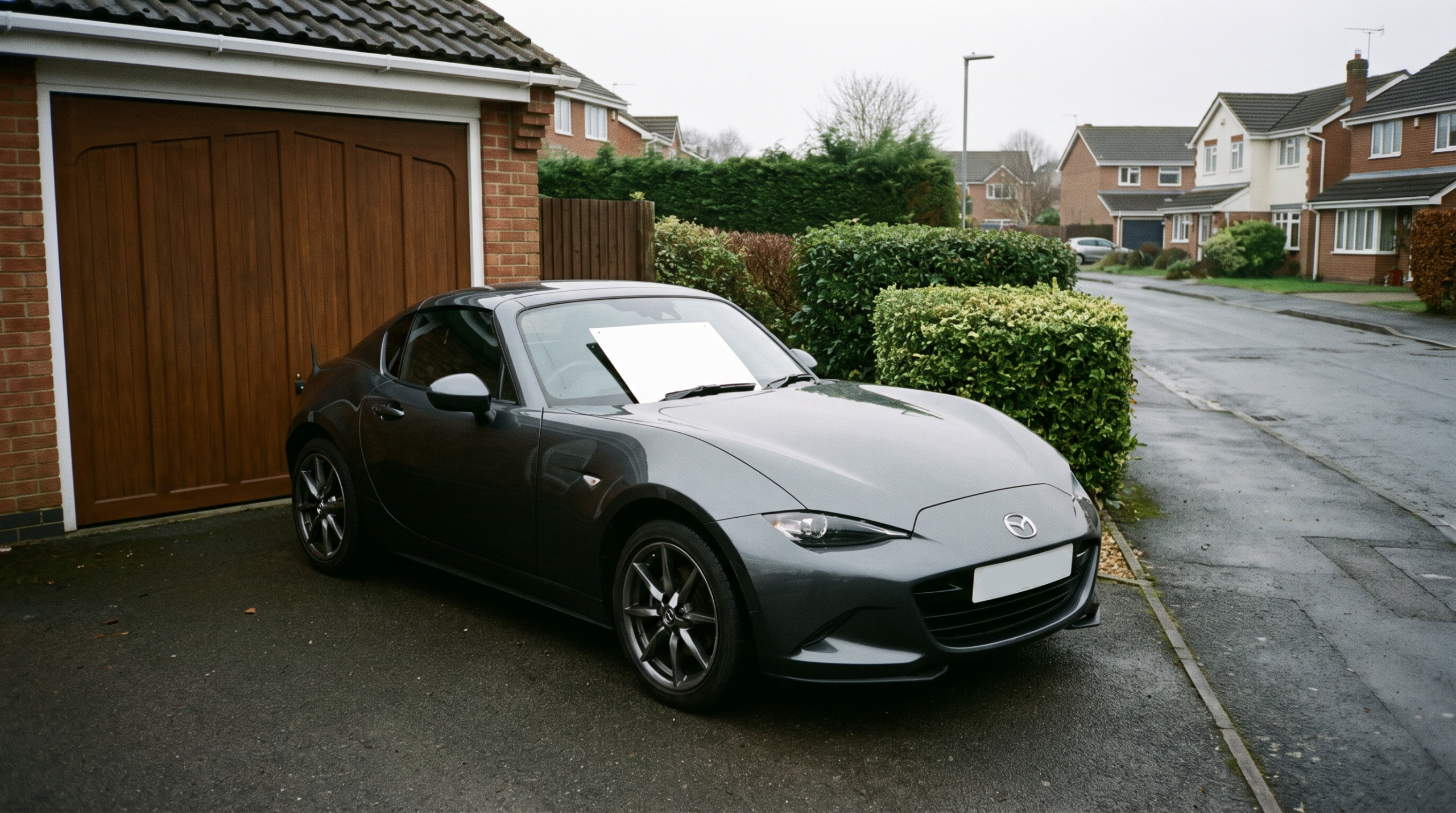
The same car, two completely different transactions. The difference is mostly legal, not commercial.
Table of Contents
Quick Answer: Private Seller or Dealer?
Buy from a private seller when the car is well documented, you have arranged your own inspection, and the discount is real rather than assumed. Buy from a dealer when you want recourse, financing, or a trade-in.
The legal asymmetry is the real story. The FTC’s Used Car Rule, the Buyers Guide and the implied warranty of merchantability apply to dealers and not to private individuals, and no state consumer agency will take your complaint about a private sale. The financial asymmetry runs the other way in one specific place: in most states a trade-in reduces the sales tax base, which on a six-figure car is worth five figures — and that only exists in a dealer transaction.
The Private Seller Legal Asymmetry Nobody Explains
This is the part that matters and it is barely covered anywhere. A dealer and a private seller are not two versions of the same transaction with different overheads. A dealer and a private seller are governed by different law.
Obligation
Dealer
Private seller
FTC Buyers Guide on the window
Required
Not required
Implied warranty of merchantability
Arises by default (a “merchant” under the UCC)
Does not arise — no merchant status
State used-car lemon law
Applies in several states
Almost never — Massachusetts is a rare exception
Complaint to a state consumer agency
Available
Generally unavailable
Federal odometer disclosure
Required
Also required
Fraud and misrepresentation claims
Available
Also available
Clears the lien and delivers clear title
Routine part of the deal
Your problem to verify
The duties that attach to a dealer under the FTC Used Car Rule and the UCC, and the two that apply to a private seller as well.
The Used Car Rule requires a dealer to display a Buyers Guide on every used vehicle, stating whether the sale is “As Is – No Dealer Warranty” or warranted, listing the major mechanical systems, and recommending an independent inspection. The form is contractual: information on it overrides contrary provisions in the contract of sale. A private seller owes you none of that.
The implied warranty point is the cleaner one. Under the UCC as adopted in most states, a warranty of merchantability is implied only where the seller is a merchant with respect to goods of that kind. An individual selling their own car is not a merchant in cars, so no such warranty arises. The New York DMV puts the consequence bluntly: you cannot file a complaint with the DMV or other consumer assistance agencies if you buy a defective vehicle in a private sale.
Two things cut the other way, and they matter. Federal odometer disclosure binds a private seller exactly as it binds us. And an as-is sale is not a licence to lie — state unfair and deceptive practices statutes apply to misrepresentation or a failure to disclose a wreck, flood or salvage history in every state, whether or not the paperwork says as-is.
The Trade-In Tax Credit, Which Is Where the Real Money Is
If you take one number away from this page, take this one.
In most states, when you trade a car in against another, sales tax is charged on the difference rather than the full purchase price. Sell privately and buy separately, and you pay tax on the whole thing. On ordinary cars this is a rounding error. On exotics it is not.
Buying a $250,000 car, trading a $150,000 car
Taxed on
What the credit is worth
Typical full-credit state, illustrative 6% rate
$100,000
About $9,000
Typical full-credit state, illustrative 7% rate
$100,000
About $10,500
Michigan — credit capped at $12,000 for 2026
$238,000
A fraction of the above
California — no trade-in credit at all
$250,000
Nothing
Virginia — no credit, by statute
$250,000
Nothing
Illustrative only — rates vary by locality and change. The saving is your trade-in value multiplied by your own combined rate. Confirm before you plan around it.
The exceptions are worth knowing because they are counterintuitive. California gives no trade-in credit — the CDTFA is explicit that you cannot deduct the trade-in allowance. Virginia says the same thing three times in one statute. Washington DC taxes on book value rather than sale price, so there is nothing to net against. And Michigan caps the credit — $12,000 for 2026, rising a thousand a year until it goes uncapped later this decade. On a $150,000 trade in Michigan you are getting credit on eight percent of it.
One honest correction to how this is usually stated: the credit is not legally impossible outside a dealership. Texas, Kentucky and Delaware all permit it where a genuine vehicle-for-vehicle trade occurs. But a private buyer taking your car in part-exchange is a rare fact pattern, so in practice this is a dealer-transaction benefit.
Where the Private Seller Genuinely Wins
A private seller keeps the retail spread. That is the honest argument for selling your own car.
The seller captures the spread. A dealer buys at wholesale and sells at retail, and that gap is the business. Sell privately and it is yours. On a $150,000 car the difference can be substantial, and no amount of convenience argument makes it disappear.
No dealer overhead in the price. Showroom, staff, reconditioning, floorplan interest and documentation fees are all in a retail number. A private seller carries none of it.
You negotiate with the decision-maker. No sales manager in a back office, no four-square, no waiting. If the seller wants the deal done, it gets done in an afternoon.
Cars that never reach the market. Long-term ownership, one-family cars, unusual specifications. Genuinely interesting cars often sell privately because the owner cares who gets it.
You can talk to the person who drove it. This is underrated. Ten minutes with an owner who can tell you why the front bumper was repainted in 2019 is worth more than a folder of receipts.
If you are selling, the honest framing is that you are being paid for the work. Photographing, listing, fielding messages, screening buyers, arranging viewings, handling the payment and the paperwork — that is real effort and some risk, and the retail spread is what you earn for absorbing it. If the number is worth it to you, sell privately. Our guide to selling an exotic car walks through how to do it properly.
Private Seller Risks Worth Taking Seriously
The lien is the big one
If the private seller still owes money, the lender holds the lien and usually the title. The seller often intends to pay the loan off with your money, which creates a window where you have paid and the lien is still recorded. Get that wrong and, as the New York DMV puts it, the lienholder can repossess the vehicle from you — leaving you with nothing but a personal claim against a stranger.
Check the front of the title for lienholder names and demand written proof of release. Lien procedures and electronic title handling vary by state, so confirm how yours works rather than assuming.
Payment, and the thing banks do not tell you
The dominant scam against private sellers is the fake cashier’s cheque, and it works because of a detail most people have backwards. The FTC explains it plainly: the funds may show up in your account, but it can take the bank weeks to establish the cheque was fake — and when it does, it takes the money back. Funds availability is not the same as a cleared payment, and the depositor carries the loss.
Practical guidance rather than agency advice: close at the buyer’s own bank so the instrument is verified and the money moves at the counter, or take a wire and confirm it has landed in your account before keys and title move. If you use escrow, find the provider yourself and call a number you looked up — fake escrow sites are a core mechanic of these frauds. Never refund an apparent overpayment, and never convert funds to gift cards or crypto.
Curbstoning: the fake private seller
A curbstoner is an unlicensed dealer posing as a private individual, specifically to escape licensing, the Buyers Guide, disclosure duties and tax obligations. It is illegal in every state.
We are going to be straight with you about the evidence here, because this is exactly the point where a dealership blog would normally reach for a scary statistic. You will see it claimed that up to one in five vehicles sold outside licensed dealerships are curbstoned. That figure traces to an industry campaign site with no study, source or methodology attached, and we could find no NHTSA, FTC or state DMV national estimate at all. So we are not going to quote it at you.
What is worth knowing are the red flags the Washington Attorney General actually publishes: a price suspiciously below market, a VIN on the car that does not match the title or documents, and a seller without proper title paperwork. Add one more — a seller whose name is not the name on the title. That is title jumping, and it can leave you unable to register the car at all.
Note also that “when does someone become a dealer” has no single answer. Federally, the Used Car Rule bites on the sixth used vehicle sold in twelve months. State licensing thresholds are lower and differ — Massachusetts more than three a year, New York three in twelve months, Washington five.
“As Is” Does Not Mean the Same Thing Everywhere
Around 32 states limit as-is sales in some way, though these rules bind dealers rather than a private seller, but through three different mechanisms that get carelessly merged together. Some states have used-car lemon laws that effectively eliminate as-is for dealers — Hawaii, Massachusetts, Minnesota, New Jersey, New York and Rhode Island. Others prohibit disclaiming implied warranties, including California, Kansas, Louisiana, Maryland, Massachusetts, Minnesota, Mississippi, Oregon, West Virginia and Washington DC. A third group sets minimum condition standards without banning as-is contracts: Arizona, California, Connecticut, Illinois, Maine, Nevada, New Mexico and Pennsylvania.
A state with minimum standards has not outlawed as-is, and lumping the three groups together is the error most articles make. The FTC deliberately publishes no such list and tells dealers to consult their own state law, which is what you should do too.
And one genuine exception to the rule that lemon laws never reach private sales: Massachusetts has a private-party statute covering all private sales regardless of price or mileage, requiring disclosure of known defects that impair safety or substantially impair use, with a 30-day cancellation right if you can prove the seller knew.
How to Actually Decide
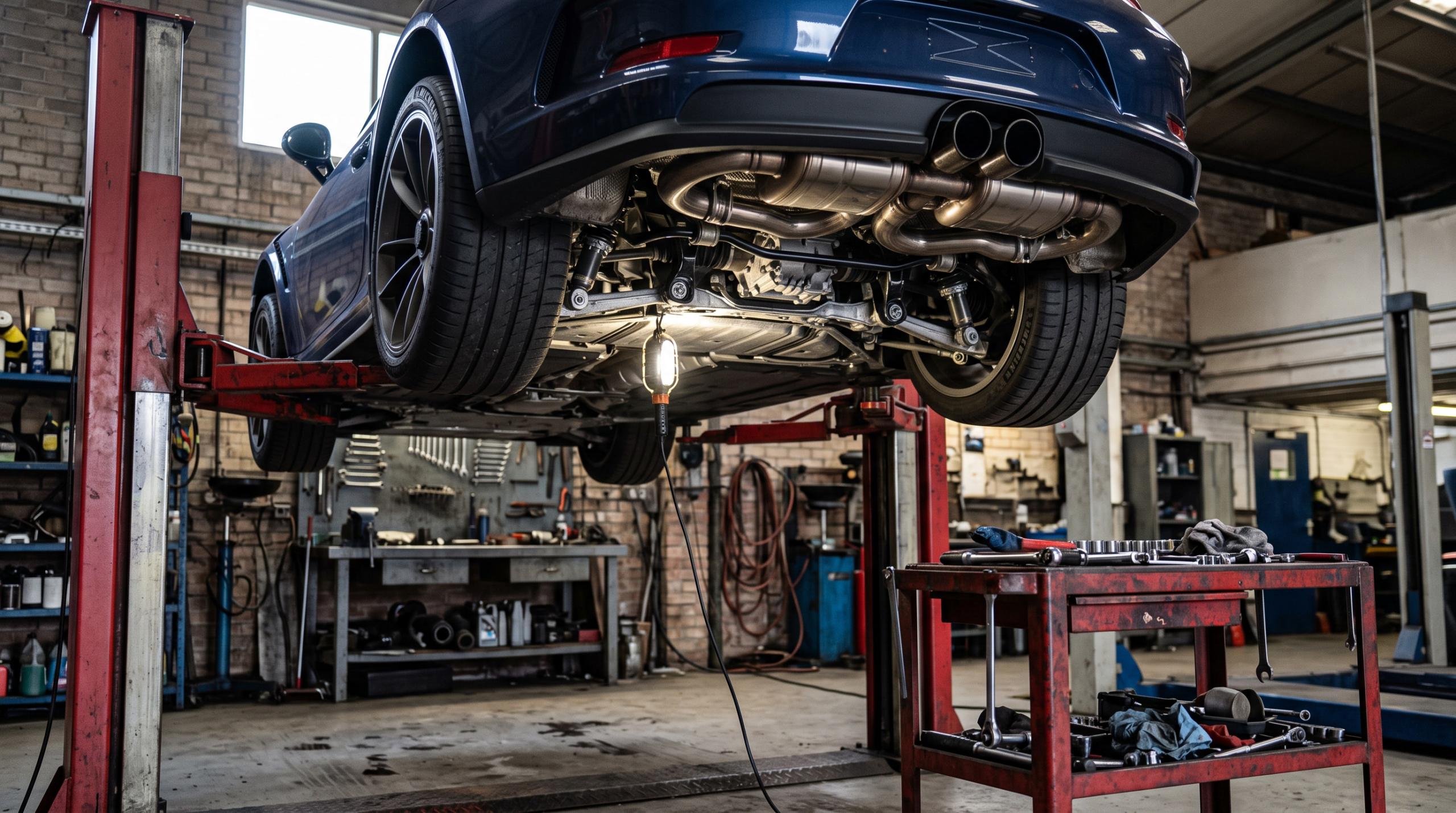
The independent inspection is what closes most of the gap between a private seller and a dealer.
Buy from a private seller when the car has continuous documented history, you have arranged your own pre-purchase inspection with a marque specialist, the title is clean and in the name of the person selling it, and the discount is measurably real rather than assumed.
Buy from a dealer when you want recourse if something is wrong, you need financing, you are trading a car in, the car is being shipped sight-unseen, or the paperwork is complicated — imports, out-of-state titles, multiple liens.
Sell privately when the retail spread is worth the work to you, you have somewhere safe to meet, and you are comfortable managing payment security yourself.
Sell to a dealer when you want it gone this week, you are buying something else and can use the tax credit, or you would rather not have strangers at your house.
Consider consignment if you want retail money without the retail workload. You are paying for marketing and buyer handling but keeping most of the spread.
The single highest-value action when buying from a private seller is the independent inspection. It closes most of the gap in one step, and it costs a fraction of what it protects. Our collector car documentation guide covers what paperwork to demand before you get that far, and the first-time exotic car buyer guide covers the whole purchase sequence.
Title in the name of the seller, lien released in writing, odometer disclosed. Everything else is negotiable.
What We Would Say If We Were Not a Dealer
Most people buying a $40,000 car from a private seller with good records and a clean inspection are making a perfectly sensible decision, and a dealer telling them otherwise is selling, not advising.
Where it changes is with value and complexity. At six figures the asymmetry of information gets steep, the cost of being wrong stops being an inconvenience, and the transaction mechanics — liens, wires, out-of-state titles, transport — start to carry real risk. That is where recourse is worth paying for, and where the tax credit quietly makes the comparison less lopsided than the sticker suggests.
Our family has been in the car business for more than a century, and the version of this we actually believe is unglamorous: the seller matters less than the car and the paperwork. A well-documented car from a careful private owner beats a thin file at a dealership every time. The reverse is also true, which is the whole argument for doing the checks regardless of who is standing in front of you.
The moment it closes. Verify the money has actually cleared before this happens.
Private Seller vs Dealer FAQ
Is it cheaper to buy from a private seller?
Usually on the sticker, yes — a private seller carries no showroom, staff, reconditioning or documentation costs, and is not taking a retail margin. But compare the total, not the price. In most states a trade-in reduces the sales tax base at a dealer, which on a six-figure car can be worth five figures, and a private purchase gives you no recourse if the car turns out to be wrong.
What legal protection do I have buying from a private seller?
Much less than from a dealer. The FTC Used Car Rule and its Buyers Guide do not apply, and no implied warranty of merchantability arises because a private individual is not a merchant under the UCC. State used-car lemon laws almost never cover private sales, with Massachusetts a rare exception. You generally cannot complain to a state consumer agency. What does survive is fraud: misrepresentation and failure to disclose a wreck, flood or salvage history are actionable in every state, as-is or not.
Does a private seller have to disclose the mileage?
Yes. Federal odometer disclosure under 49 CFR Part 580 binds any transferor, private sellers included. Vehicles from model year 2011 onward require disclosure for 20 years from their model year; model year 2010 and earlier are now permanently exempt.
What is curbstoning and how do I spot a fake private seller?
An unlicensed dealer posing as a private seller to avoid licensing, disclosure duties and tax obligations. It is illegal everywhere. The Washington Attorney General lists the red flags: a price well below market, a VIN that does not match the title or documents, and no proper title paperwork. Add a seller whose name is not on the title — that is title jumping and it can stop you registering the car.
How should I take payment as a private seller?
Never rely on funds appearing in your account. The FTC warns that a fake cashier’s cheque can clear into your balance and be reversed weeks later, and the depositor carries the loss. Close at the bank that issued the instrument so it is verified at the counter, or take a wire and confirm it has landed before the keys and title move. If you use escrow, find the provider yourself and call a number you looked up.
Should I trade my car in or sell it privately?
It depends on your state and your patience. Selling privately captures the retail spread, which is the real money. Trading in is faster and, in most states, reduces the sales tax you pay on the replacement car by the value of the trade. California and Virginia give no trade-in credit at all and Michigan caps it, so the answer genuinely changes depending on where you register the car.
Owning an exotic car is not about speed or luxury- It’s about embracing an experience, where the road becomes your canvas and the car, your masterpiece.
How buyers can verify window stickers, build sheets, owner’s manuals and factory records before purchasing a rare, exotic or classic car — including Ferrari Classiche, Porsche CoA and marque archive programs.
Monterey Car Week explained: every event in the ten days, which are free and which are not, the confirmed 2027 dates, and what the 2026 edition actually produced.
Bugatti’s one-off Destrier debuts during Monterey Car Week 2026 with a 1,578-hp quad-turbo W16, Bolide bones, and a $20M+ price tag. Full story, specs, and FAQ.
First time exotic car buyer? Follow this 10-step purchase process — budgeting, inspection, negotiation, and transport — to buy your first supercar right.