The Tesla Roadster has been the most talked-about car that nobody can buy for nine years running. Tesla revealed it as a concept in November 2017, took deposits, promised production for 2020, and has moved the date at least eight times since. As of August 2026 it has still not been unveiled in production form, let alone built or delivered.
That is worth stating plainly, because a great deal of coverage of the Tesla Roadster describes it in the present tense as though the car exists. This guide sets out what is actually confirmed, what is claimed, what has slipped and when, and what you could have bought instead with the same money over the same period.
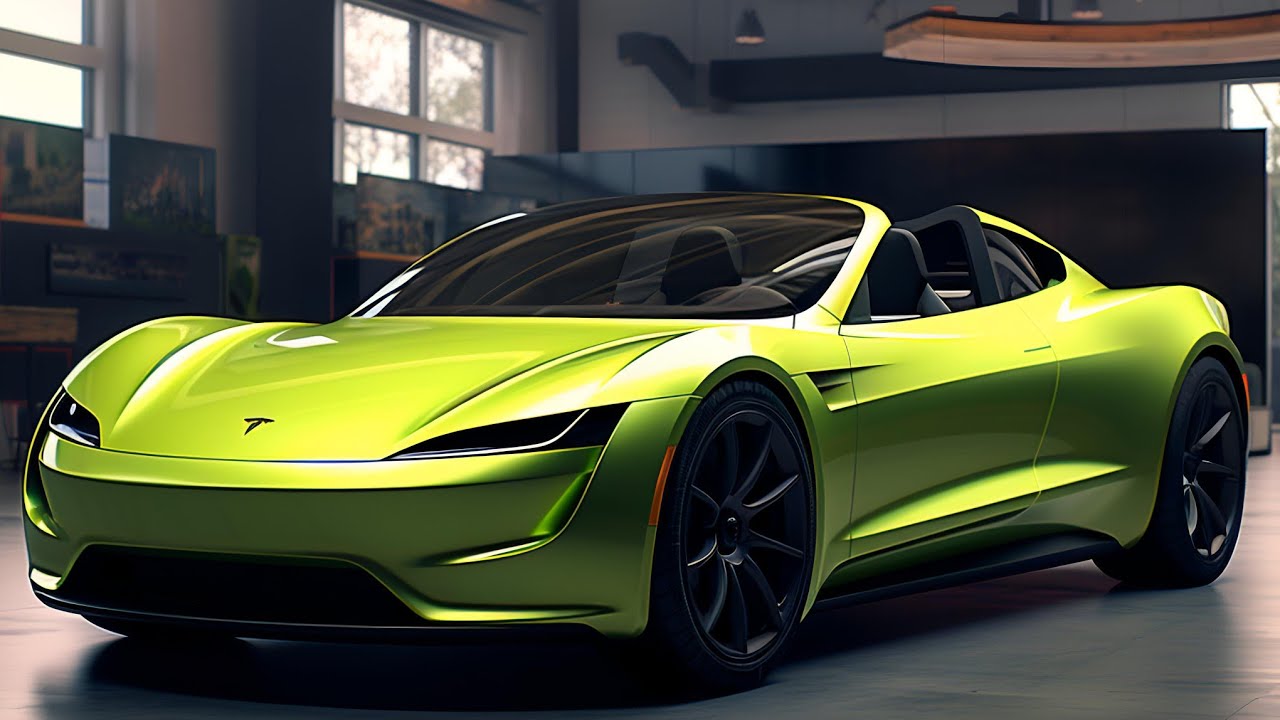
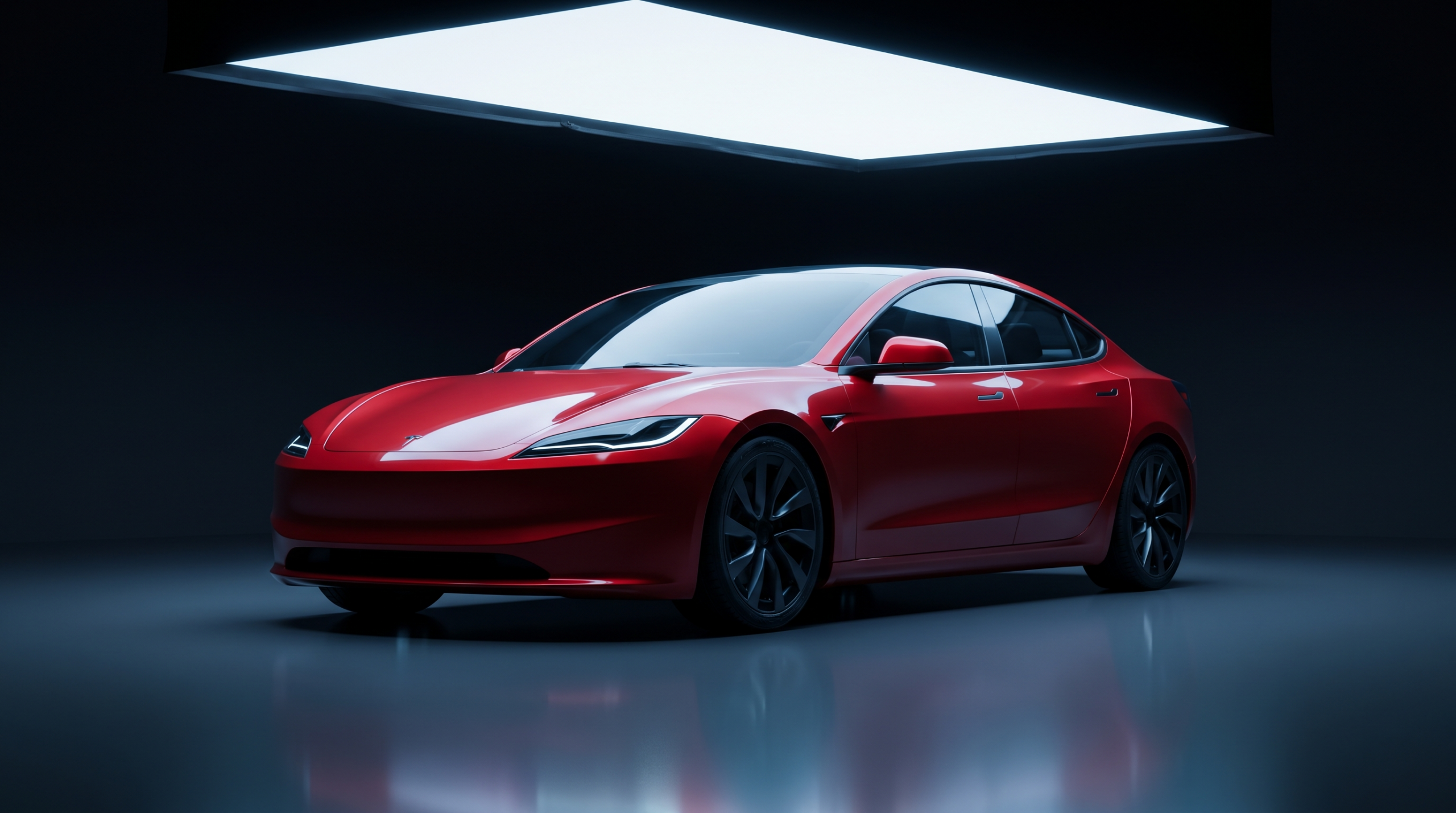
Nine years after the concept, the Tesla Roadster remains unseen in production form. Illustrative rendering.
Quick Answer: Has the Tesla Roadster Been Released?
Table of Contents
No. As of August 2026 the second-generation Tesla Roadster has not been unveiled in production form, has not entered production, and has not been delivered to any customer. Tesla showed a concept in November 2017 with a target of 2020, took reservations at $50,000, and has repeatedly rescheduled. The most recent public target is a demonstration at SpaceX’s McGregor facility in Texas, with production now indicated for the second half of 2027. Every performance figure in circulation is a Tesla claim, not an independently verified result.
The Tesla Roadster Delay Timeline
The pattern matters more than any individual date, so here it is in order.
When
What was said or happened
November 2017
Concept revealed. Production targeted for 2020. Reservations open at $50,000, Founders Series at $250,000
2020
Original production target passes with no production car
2021–2024
Repeated slips. Tesla focuses on Model 3, Model Y, Cybertruck and Semi
April 1, 2026
A demo date Musk himself noted gave him “deniability”
Late April 2026
Pushed again. On the Q1 earnings call the language becomes “maybe in a month or so”
June 2026
Demo pushed to August as SpaceX thruster work continues
August 2026
Unveiling expected “as early as” this month at SpaceX McGregor, Texas
Second half of 2027
Current indicated start of production
Reporting from Electrek puts the count at a timeline moved at least eight times across nine years. Anyone writing about the Tesla Roadster in the present tense is describing a concept, not a car.
The reveal has been rescheduled at least eight times in nine years. Illustrative rendering.
What Tesla Claims the Roadster Will Do
These are Tesla’s stated targets. None has been independently verified, because there is no production car to test.
Claim
Figure
Status
0–60 mph
Originally 1.9 sec; more recently claimed under 1 sec
Unverified claim
Top speed
Over 250 mph
Unverified claim
Battery
200 kWh
Unverified claim
Range
620 miles
Unverified claim
Wheel torque
7,376 lb-ft
Unverified claim
Charging
350 kW DC
Unverified claim
Price
$200,000–$250,000 as announced in 2017
Nine-year-old pricing
The revision worth noting is acceleration. The 2017 Tesla Roadster claim of 1.9 seconds to 60 mph was extraordinary at the time and has since been matched or beaten by cars that actually exist. The response was to raise the claim to under one second, which is a figure no road-legal car has ever demonstrated and which depends on hardware that is still in development.
The SpaceX Thruster Package
The single biggest reason the Tesla Roadster keeps slipping appears to be the thing that makes it interesting. Tesla has been developing a cold gas thruster system with SpaceX, referred to internally as A71, intended to supplement acceleration and, according to reporting, potentially allow brief hovering.
Internal Tesla and SpaceX demonstrations of that system were reported as recently as late April 2026, which tells you engineering work is real and ongoing rather than abandoned. It also tells you it was not finished, because the public demo moved again.
Two versions have been described: a limited SpaceX edition with the thruster package, and a scaled-down variant without it. That structure implies Tesla itself expects the thruster car to be a low-volume halo rather than the standard specification.
It is worth being clear about what this is. Compressed-gas thrusters on a road car raise questions about certification, refill logistics, safety in traffic and durability that no manufacturer has answered in production. The engineering is genuinely novel. That is precisely why it is taking so long.
The A71 cold-gas thruster work with SpaceX appears to be the critical path. Illustrative rendering.
What the Reservation Actually Bought
This is the part that deserves more attention than the horsepower claims. Reservation holders paid $50,000 in 2017 for a base Tesla Roadster place, with the Founders Series requiring $250,000 in full.
Nine years later those deposits are still with Tesla and no car has been delivered. Whatever the eventual product turns out to be, the opportunity cost of that capital over nine years is real, and it is a consideration anyone weighing a deposit on any unbuilt car should think about carefully.
The general principle applies well beyond Tesla: a deposit on a car that does not exist is an unsecured, non-earning position for an indefinite term. That is not financial advice, and terms vary by manufacturer and jurisdiction, but it is the question worth asking before wiring anything.
What You Could Have Bought Instead
The most useful context for the Tesla Roadster is not what it claims, but what shipped while everyone waited. Every car below exists, has been tested, and can be bought.
Car
Output
0–60 mph
Status
Tesla Roadster
Not specified
Claimed under 1 sec
Not unveiled, not built
Rimac Nevera R
2,107 hp
1.74 sec
Delivered
Lotus Evija
2,011 bhp
Under 3 sec
Delivered from 2024
Corvette ZR1X
1,250 hp
Under 2 sec
In production
Ferrari 849 Testarossa
1,036 hp
Under 2.3 sec
In production
The Rimac number is the one that reframes the whole conversation. A 1.74-second 0–60 has been achieved, measured and sold, while the Tesla Roadster claim remains a claim. Our guides to the Corvette ZR1X and the Ferrari 849 Testarossa cover two of those cars in detail.
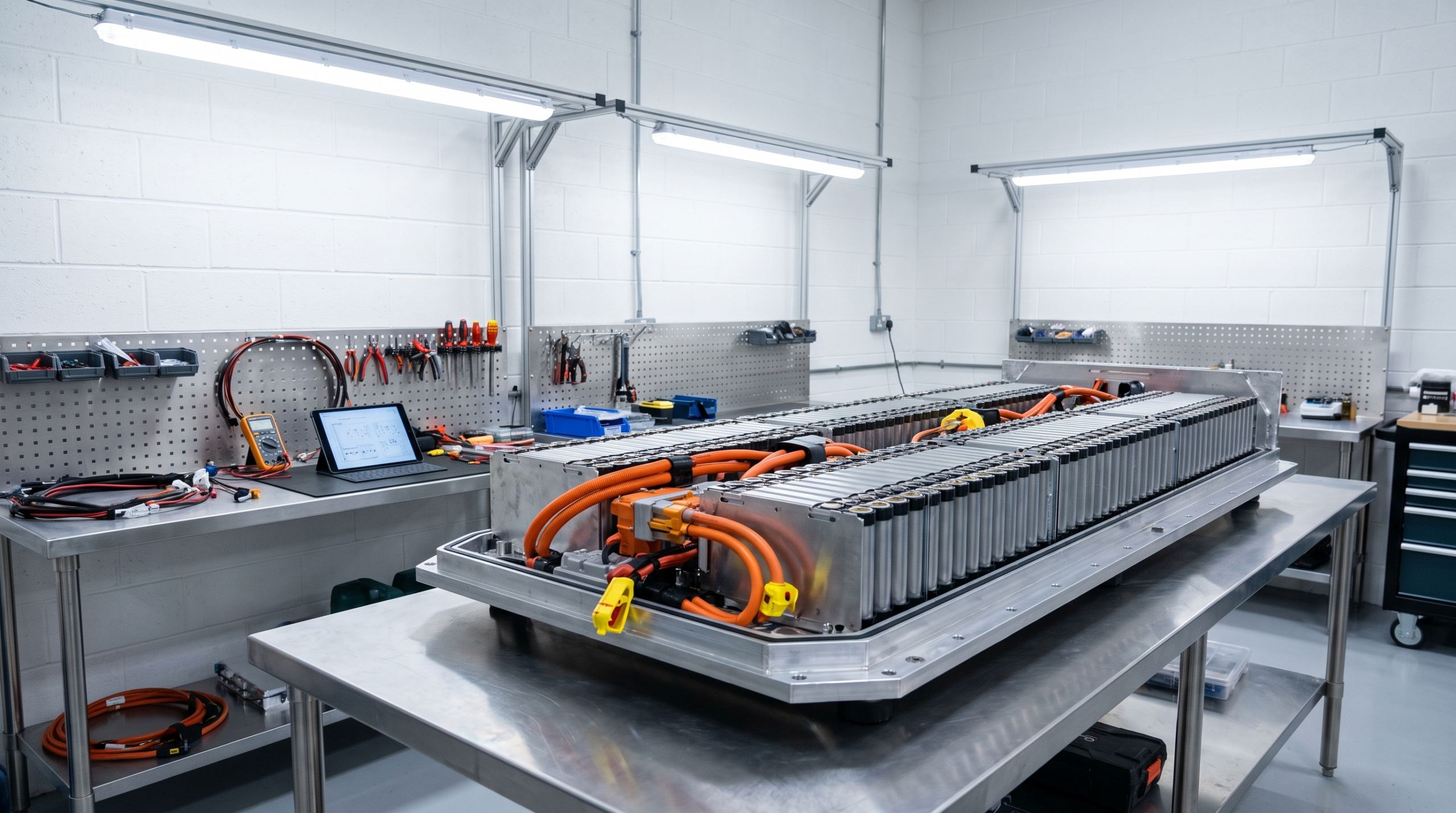
A 200 kWh pack would be roughly double what most performance EVs carry. Illustrative rendering.
The Roadster That Did Ship
Fairness demands the other half of this story. Tesla has built a Roadster before, and it worked.
The first-generation Tesla Roadster ran from 2008 to 2012 and delivered roughly 2,450 cars across more than thirty countries, about 1,800 of them in the United States. It used a Lotus Elise chassis, though it shared only around seven percent of its components with the Lotus, and it carried a 53 kWh lithium-ion pack good for an EPA-rated 244 miles.
Original Tesla Roadster
2008–2012
Units delivered
Around 2,450
Battery
53 kWh lithium-ion, 18650 cells
EPA range
244 miles
Motor output
248 hp (1.5), 288 hp (2.0 and 2.5)
0–60 mph
3.9 sec base, 3.7 sec Sport
Top speed
125 mph, electronically limited
Its significance is easy to underrate now. It was the first highway-legal series-production electric car to use lithium-ion cells, and the first production EV to exceed 200 miles on a charge. It made the case that an electric car could be desirable rather than merely virtuous, and every performance EV since owes it something.
That history is exactly why the second-generation Tesla Roadster gets the benefit of the doubt it does. Tesla has shipped a hard car before. It just took the first one four years from announcement to delivery, and the current one has taken nine and counting.
Why Concept-to-Production Gaps Happen
The Tesla Roadster is an extreme case, not a unique one. Concept cars slip for reasons that are structural rather than dishonest.
A concept does not have to pass anything. No crash test, no emissions or noise certification, no durability programme, no service network. Production adds years that a reveal does not.
Halo cars lose priority. A low-volume flagship competes for engineering resource against models that generate the revenue. That competition rarely goes the flagship’s way.
Novel technology sets the schedule. Anything genuinely unprecedented, like the thruster package, is impossible to schedule accurately because nobody has done it before.
Announced specifications become obligations. Once a headline figure is public, shipping something slower reads as failure, which creates pressure to keep developing rather than release.
That last point may explain the Tesla Roadster better than any of the others. Raising the claim from 1.9 seconds to under one second, after the original figure was matched by cars on sale, guarantees the bar stays out of reach a while longer.
Will the Claims Still Impress in 2027?
Here is the awkward arithmetic facing the programme. When the concept appeared in 2017, 1.9 seconds to 60 mph and a 620-mile range were science fiction. Both have since been approached or beaten by cars on sale, and production is now indicated for the second half of 2027, a full decade after the reveal.
Rimac has recorded a measured 1.74 seconds. Lotus delivered a 2,011 bhp electric hypercar. Chevrolet built a 1,250 hp all-wheel-drive hybrid that laps the Nordschleife in 6:49 and sells for a fraction of the money. The bar that was extraordinary in 2017 is now simply the top of a competitive field.
This is the structural problem with a decade-long development: the target moves while you build. It also explains why the acceleration claim was revised upward rather than merely restated. A sub-one-second figure with thruster assistance is the only number that would still feel unprecedented on arrival, which is a demanding promise to have made and an even harder one to certify for road use.
If it lands as described, it will be remarkable. If it lands as a very fast electric roadster with a 620-mile range and no thrusters, it will be a good car arriving into a market that stopped waiting some years ago. Both outcomes remain entirely possible, which is the fairest thing that can be said today.
How to Read Any Unreleased-Car Announcement
The Tesla Roadster is the clearest current example of a pattern that applies to every unbuilt car, so it is worth extracting the general lesson.
Separate the reveal from the commitment. A concept unveiling is a marketing event. A production commitment names a plant, a build cadence and a certification path. If those three are absent, the date is aspirational.
Treat round headline numbers as targets. Sub-one-second, 250-plus mph and 620 miles are engineering goals stated in round figures. Verified numbers are specific and awkward, like 1.74 seconds or 6:49.275.
Watch what the company deprioritises. Halo programmes slip when volume products need the engineers. That is rational management, and it is visible in quarterly reporting long before it is admitted on stage.
Read deposit terms as a financial document. Refundability, holding period and what happens on cancellation matter more than the specification sheet, and they are the part nobody reads.
Give weight to independent measurement only. Manufacturer-quoted figures are a starting point. An instrumented third-party test is evidence.
Applied to the Tesla Roadster, that checklist returns the same answer at every line, which is the honest summary of where the programme stands.
What Would Signal the Tesla Roadster Is Real
Rather than tracking dates, track evidence. These are the milestones that separate a programme approaching production from one still in development, and none of them has happened yet.
A production-specification car shown publicly, with interior, badging and homologated lighting rather than a concept shell.
Regulatory filings. Certification documents in the United States and Europe are public and are a far better signal than any presentation.
Independent instrumented testing by a third party, rather than manufacturer-quoted figures.
Tooling and line installation at a named plant, with a stated build location and cadence.
Configurator and firm pricing replacing a nine-year-old price range.
When several of those arrive together, the Tesla Roadster becomes a car. Until then it remains a reservation programme with an unusually good story attached.
The concept has aged nine years while the market moved past its original claims. Illustrative rendering.
Tesla Roadster FAQ
Has the Tesla Roadster been released?
No. As of August 2026 it has not been unveiled in production form, has not entered production, and has not been delivered to any customer. Tesla showed a concept in November 2017 and has rescheduled the programme repeatedly since.
When will the Tesla Roadster actually come out?
The current public indication is an unveiling as early as August 2026 at SpaceX’s McGregor facility in Texas, with production in the second half of 2027. Given that the timeline has moved at least eight times in nine years, treat any date as provisional.
How fast is the Tesla Roadster?
Unknown, because no production car has been tested. Tesla originally claimed 0 to 60 mph in 1.9 seconds and now claims under one second with the SpaceX thruster package. Both are manufacturer claims. For comparison, the Rimac Nevera R has recorded a measured 1.74 seconds.
What is the SpaceX package on the Tesla Roadster?
A cold gas thruster system developed with SpaceX, referred to internally as A71, intended to boost acceleration and reportedly allow brief hovering. Internal demonstrations were reported in April 2026. It appears to be the main reason the programme keeps slipping.
How much does the Tesla Roadster cost?
The 2017 announcement put it at $200,000 to $250,000, with reservations at $50,000 and a Founders Series at $250,000 paid in full. That pricing is nine years old and no current pricing has been confirmed.
Can you still reserve a Tesla Roadster?
Reservation availability has varied over the years and terms differ by market. The more useful question is whether an unsecured, non-earning deposit on an unbuilt car for an indefinite period suits your circumstances. Read the current terms carefully before placing one.
The Honest Position
The Tesla Roadster may well arrive, and if the thruster package works as described it will be genuinely unlike anything else on the road. Tesla has delivered on hard engineering promises before, usually late and usually in a form somewhat different from the announcement.
What is not defensible is writing about it as though it exists. Nine years of movement is not a detail to skip past; it is the central fact of the story, and it is the thing anyone deciding whether to wait, reserve or buy something else needs to weigh.
Our advice to anyone drawn to the Tesla Roadster is the same one we give across the board: buy the car that exists. If electrified performance is the brief, several exceptional machines are on sale today, and our guide on how to afford a supercar covers the routes owners actually use to get into them.
At Exotic Motors we have watched a century of announced cars, and the ones that matter are the ones you can drive. Browse the current inventory, and for coverage of what is actually shipping, our sister publication Exotic Car News follows the market daily.
Owning an exotic car is not about speed or luxury- It’s about embracing an experience, where the road becomes your canvas and the car, your masterpiece.
A gated-manual Audi R8 can deliver something a newer automatic cannot. Here is what recent sales say about the premium, how to verify a factory manual, and when the extra money serves your priorities.
A used Lamborghini Huracán can still be a smart buy in 2026, if you choose the right variant and a well-documented car. Here is which version suits which buyer, what U.S. dealers are asking, and what to check first.
A flooded Ferrari at half price can look like the deal of a lifetime. Here's how to judge the water, the paperwork, the repair math, and whether the discount is ever enough.
991.2 or 992? A buyer's guide to the used Porsche 911 Carrera decision: transmissions, body styles, options, inspection, warranty, running costs and the real price gap.