When it comes to the automotive industry, tariffs can have far-reaching consequences. For exotic and luxury car brands—such as Ferrari, Lamborghini, Rolls-Royce, and Bentley—tariffs can significantly affect pricing, demand, and overall market dynamics. Let’s dive into how these import taxes impact high-end automobiles and what this means for consumers and manufacturers.
Tariffs and Pricing: A Direct Impact
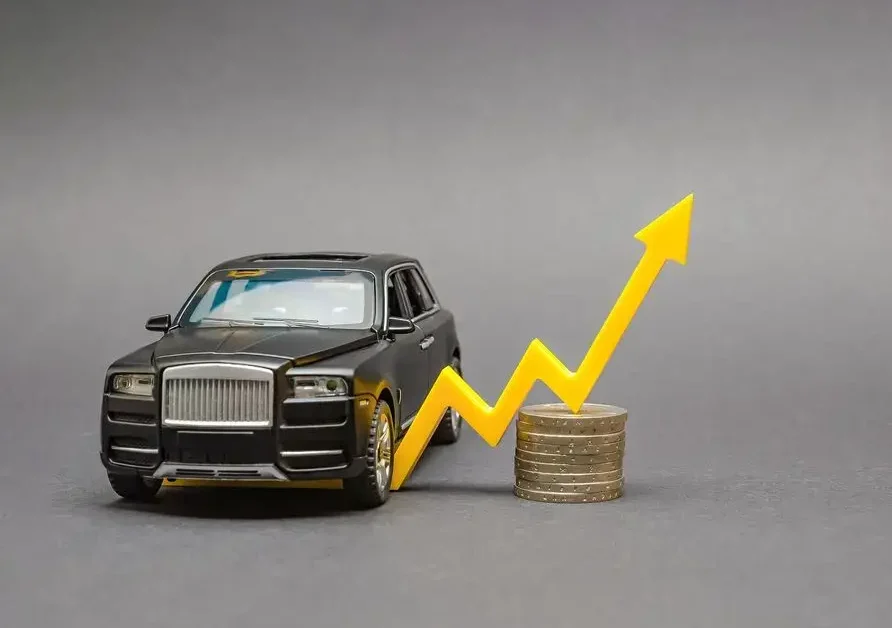
One of the most immediate effects of tariffs is the increase in the cost of imported luxury cars. Countries impose tariffs on foreign-made vehicles to encourage domestic manufacturing and generate government revenue. However, these additional costs are often passed on to consumers. A steep tariff on European luxury cars in markets like the U.S. or China could mean an extra 10-30% price hike, making an already expensive car even less attainable for potential buyers.
For instance, if a Ferrari that typically costs $300,000 faces a 25% tariff, its final price would rise to $375,000. This increase can deter some buyers and shift demand to lower-cost alternatives or domestically produced high-end vehicles.
Market Disruptions and Demand Shifts
Higher tariffs can lead to changes in consumer purchasing behavior. Buyers who are unwilling to pay the inflated prices may opt for pre-owned luxury vehicles or turn to domestic brands that avoid the import tax. For example, American-made luxury brands like Cadillac or Tesla could gain a competitive advantage if European or Asian competitors are subject to high tariffs.
Additionally, dealerships and importers may suffer from lower sales volumes, leading to layoffs and reduced inventory turnover. In response, manufacturers might explore ways to mitigate the impact by offering incentives, absorbing part of the tariff cost, or even moving production facilities to tariff-free zones.
Manufacturers’ Response: Localization and Production Shifts
To navigate the challenges posed by tariffs, many luxury car manufacturers have resorted to setting up local production plants in key markets. For example, BMW and Mercedes-Benz have established manufacturing facilities in the U.S. to avoid high import duties. Similarly, luxury car brands have expanded operations in China, where tariffs on imported cars can be steep.
While localization can help bypass tariffs, it also comes with challenges, such as maintaining strict quality control and managing increased operational costs. For brands that rely on handcrafted precision and exclusivity, shifting production outside their home country may also dilute their brand identity.
Global Trade Relations and Policy Uncertainty
Tariffs are often used as a bargaining tool in trade negotiations. Changes in political leadership, trade agreements, and international relations can influence tariff policies, causing uncertainty in the automotive market. Manufacturers must stay agile, adapting to shifting regulations to remain competitive.
For example, the U.S.-China trade war saw both countries imposing retaliatory tariffs on imported goods, including luxury cars. Similarly, Brexit has introduced complexities in the European automotive supply chain, leading to potential tariff implications between the UK and EU nations.
The Future of Tariffs in the Luxury Car Market
As global economies recover from disruptions like the COVID-19 pandemic and geopolitical tensions, tariff policies will continue to evolve. Automakers and consumers alike must stay informed about changing regulations that could impact pricing and availability.
With advancements in electric and autonomous vehicle technology, tariffs may also play a role in shaping the future of luxury car manufacturing. Countries may introduce specific incentives or barriers to promote domestic production of next-generation vehicles.
Conclusion
Tariffs have a significant impact on the exotic and luxury car market, influencing pricing, demand, and manufacturing strategies. While these taxes can create challenges, they also drive innovation and localization efforts within the industry. As trade policies continue to evolve, both manufacturers and consumers will need to adapt to the shifting landscape of the global automotive market.