The Art of the Gated Manual: Why Exotic Cars Still Make Us Want to Shift
The polished metal gate was once simply a way to change gears. Today, it represents something increasingly rare in the exotic-car world: a mechanical connection between driver and machine.
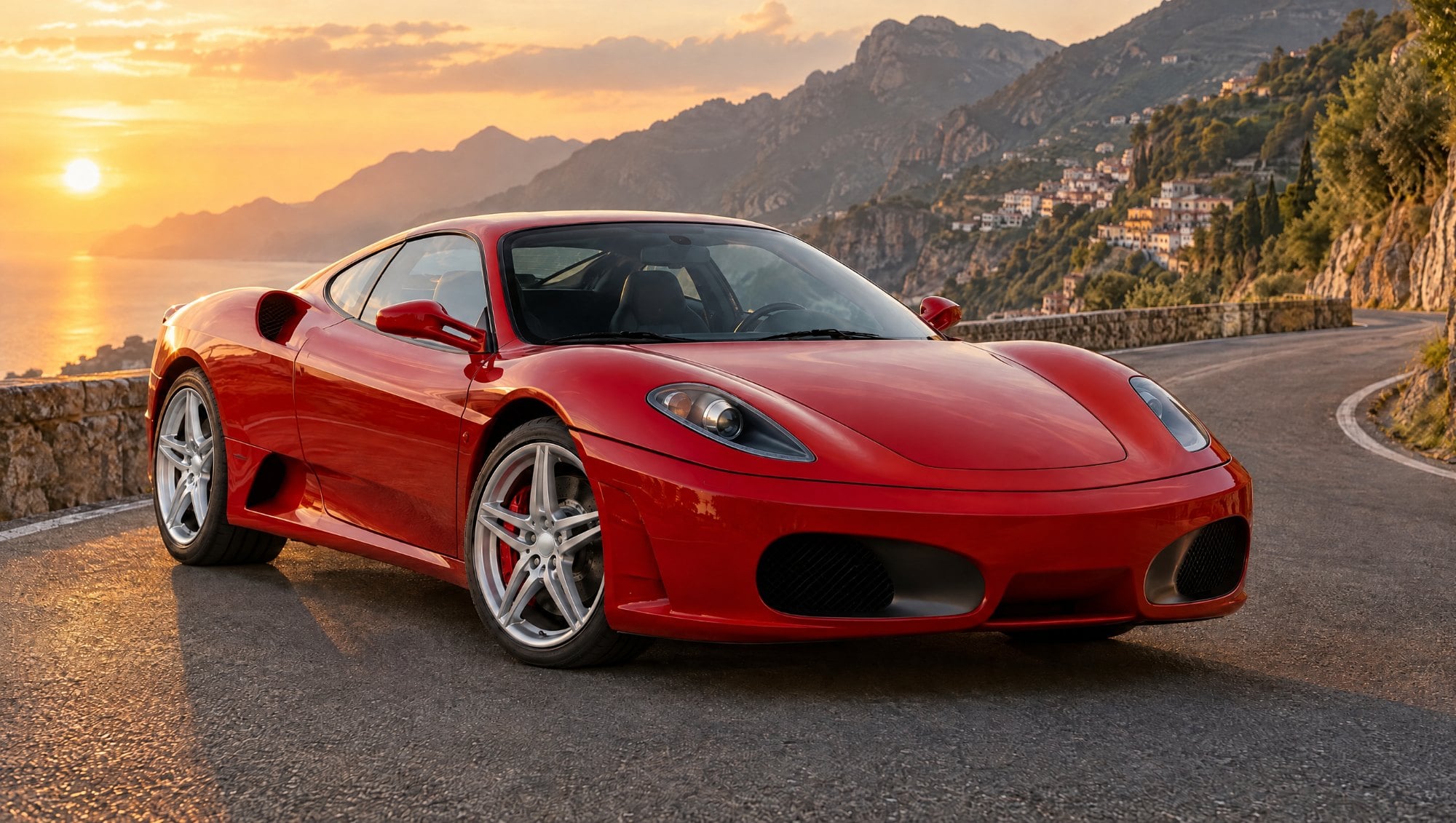
Images in this article are editorial illustrations created for Exotic Motors and do not depict specific vehicles.
There is a particular sound that belongs to a certain generation of exotic cars.
Not the engine. Not the exhaust. Not even the unmistakable whine of a transmission working behind the seats.
It’s a small metallic click.
The sound of a gear lever moving through an exposed metal gate, settling into its next position with a precision that feels almost ceremonial.
For anyone who has driven a classic Ferrari, a manual Lamborghini, or an early Audi R8, that moment is part of the experience. The left foot depresses the clutch, the right hand guides the lever, and the driver becomes responsible for a mechanical sequence that modern supercars complete in milliseconds.
There is nothing particularly fast about it.
And that is precisely why it matters.
When Changing Gears Was Part of the Occasion
Before paddle shifters became the standard in exotic automobiles, the manual transmission was an essential part of driving them.
Ferrari made the exposed metal shift gate one of its most recognizable interior features. Lamborghini developed its own interpretation, while Audi later introduced the same unmistakable mechanical experience to the R8.
The polished gate wasn’t merely decorative.
Its openings guided the gear lever through the transmission’s shift pattern. Unlike a conventional manual shifter hidden beneath a leather boot, the mechanism was visible every time the driver reached for another gear.
It gave a functional component an almost architectural presence.
The gate also had a distinctive character. The driver could feel the resistance of the lever, the movement between positions, and the moment the next gear engaged.
At low speeds, the process could demand patience. A cold gearbox might resist a hurried shift, and smooth operation required coordination between the clutch, throttle, and driver’s hand.
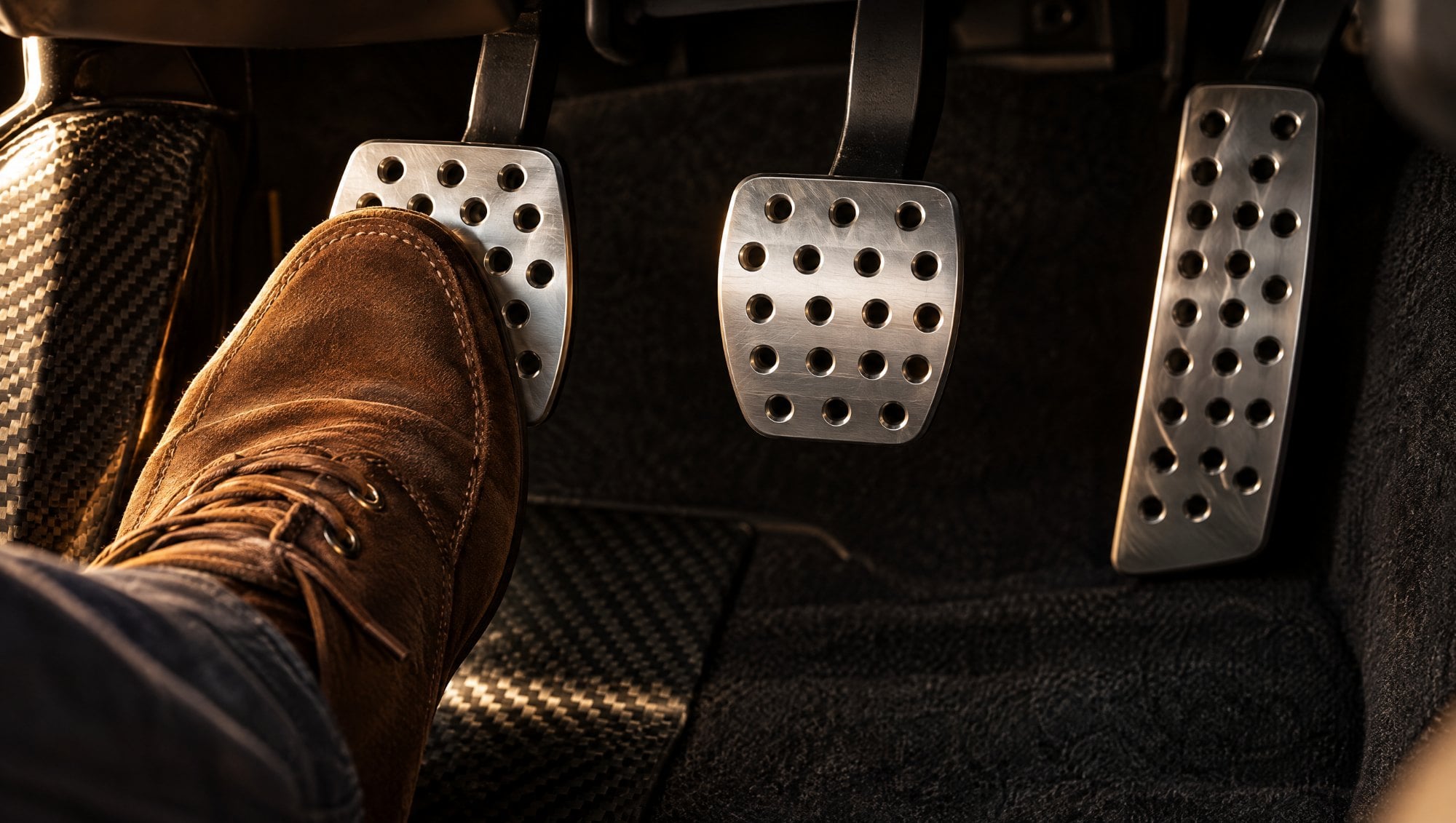
But that was part of the attraction.
A gated manual rewarded familiarity.
The better you understood the car, the more satisfying the interaction became.
The Technology That Made the Manual Obsolete
By the late 1990s and early 2000s, the exotic-car industry was changing.
Ferrari introduced its F1-style automated manual transmission to road cars, bringing paddle-operated gear changes into a market increasingly fascinated by Formula 1 technology.
Lamborghini followed with E-Gear.
Both systems allowed drivers to change gears without operating a clutch pedal, using automated mechanisms to control a conventional gearbox and clutch.
Later, dual-clutch transmissions transformed the experience again, delivering rapid, smooth gear changes with far greater consistency.
From a performance standpoint, the direction was understandable.
An automated gearbox could shift more quickly than most drivers, reduce interruptions in acceleration, and allow both hands to remain on the steering wheel.
For manufacturers pursuing increasingly impressive acceleration figures and lap times, the manual transmission was becoming a disadvantage.
Customers largely agreed.
When these technologies were new, many exotic-car buyers willingly paid extra for paddle shifters. Manual gearboxes gradually became the less popular option, even when they were still available.
And then something unexpected happened.
The cars that buyers once passed over began attracting some of the strongest interest in the collector market.
Ferrari, Lamborghini, and the Cars That Changed the Conversation
Consider the Ferrari F430.
Its naturally aspirated V8, compact dimensions, and unmistakable styling already make it desirable. But a factory six-speed manual adds another dimension to the experience.
The same principle applies to the Ferrari 360 Modena, where the exposed shift gate sits prominently in the center console.
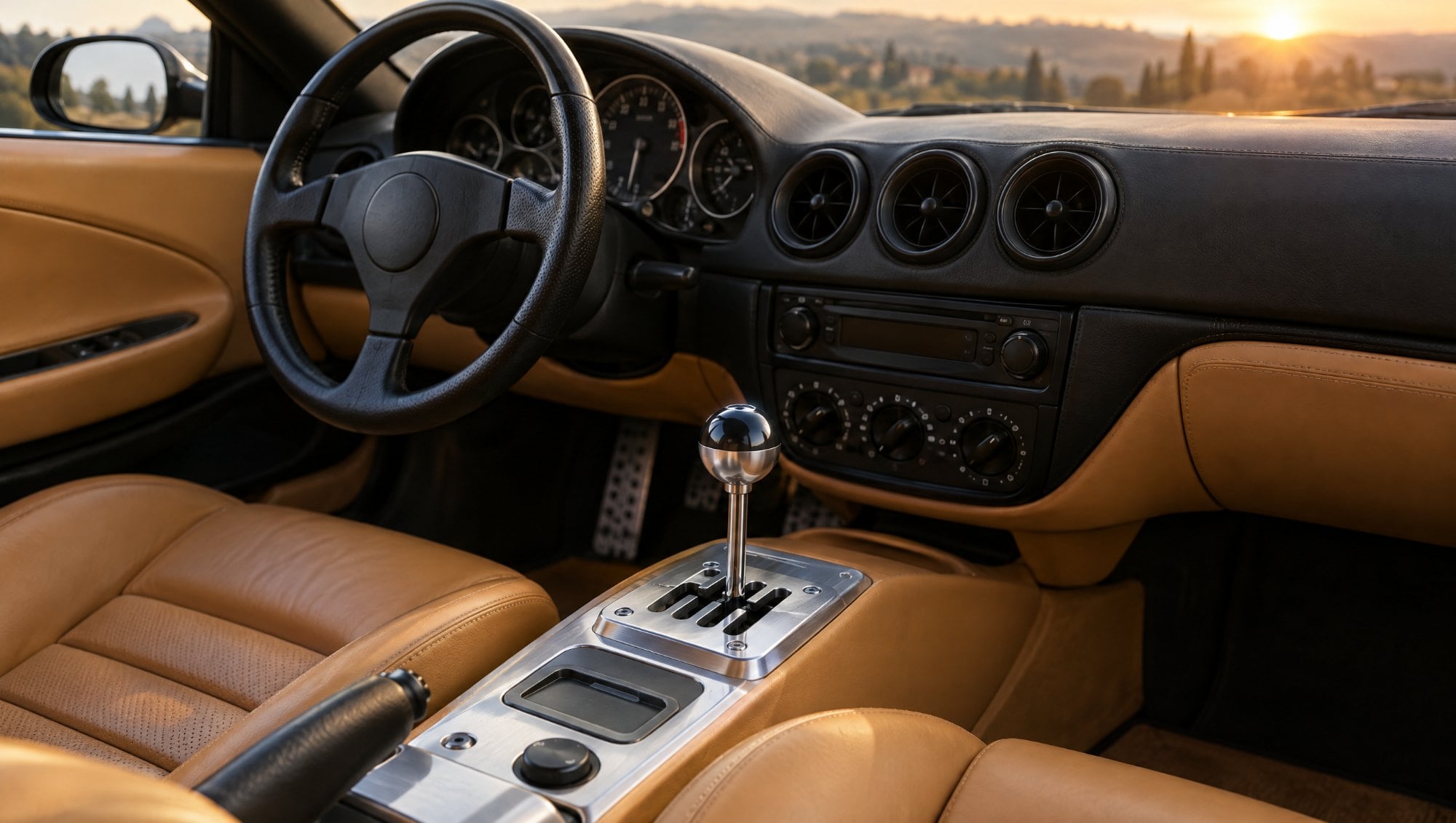
Neither car needs a manual transmission to be enjoyable. The F1-equipped versions remain engaging performance machines.
Yet the manual versions offer something different: the opportunity to interact with the engine and gearbox through three pedals and a mechanical lever.
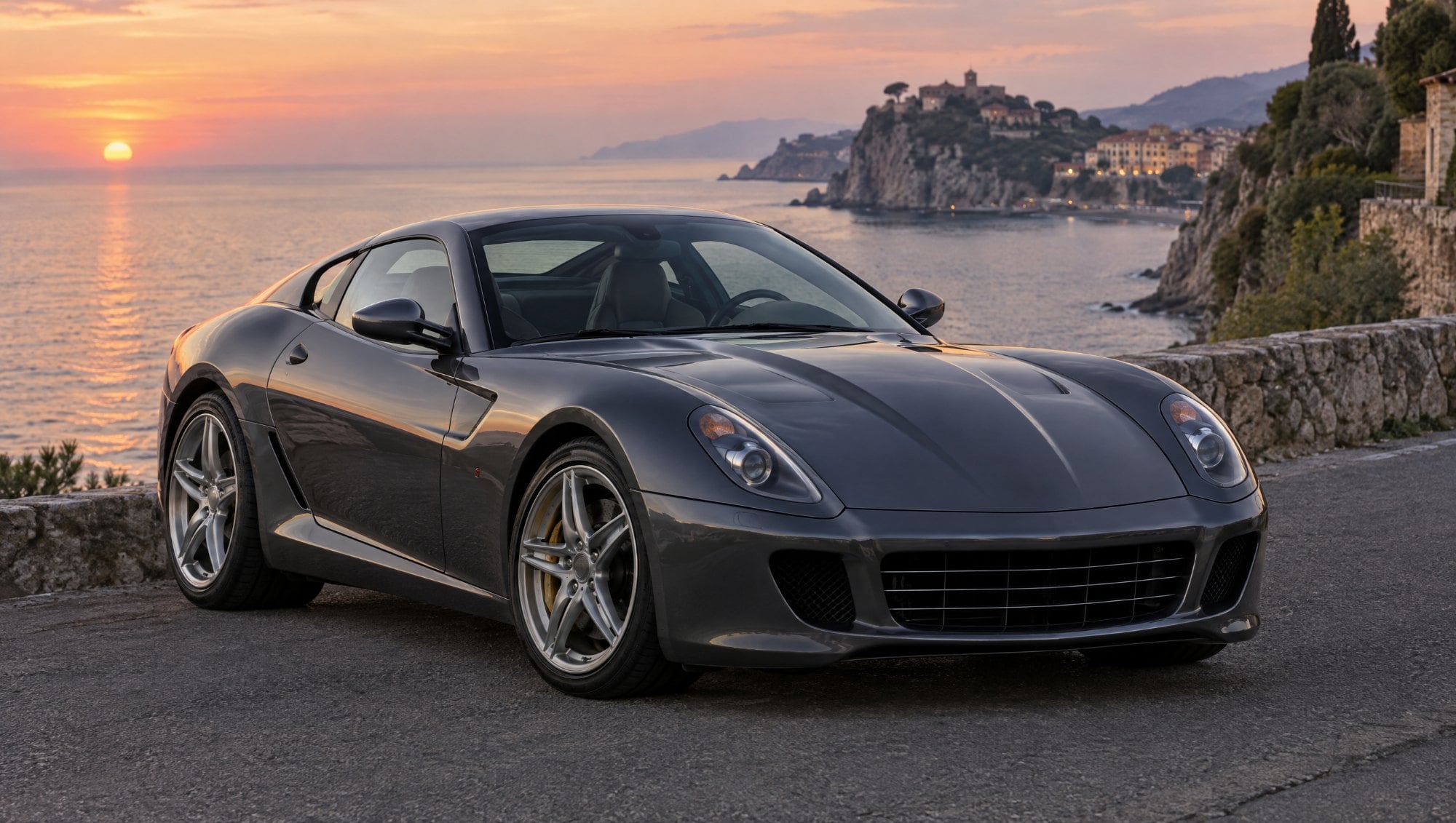
In the Ferrari 599 GTB Fiorano, that experience became exceptionally rare. Approximately 30 examples were built with a six-speed manual transmission, combining a naturally aspirated V12 with Ferrari’s traditional exposed gate.
Lamborghini has its own chapter in the story.
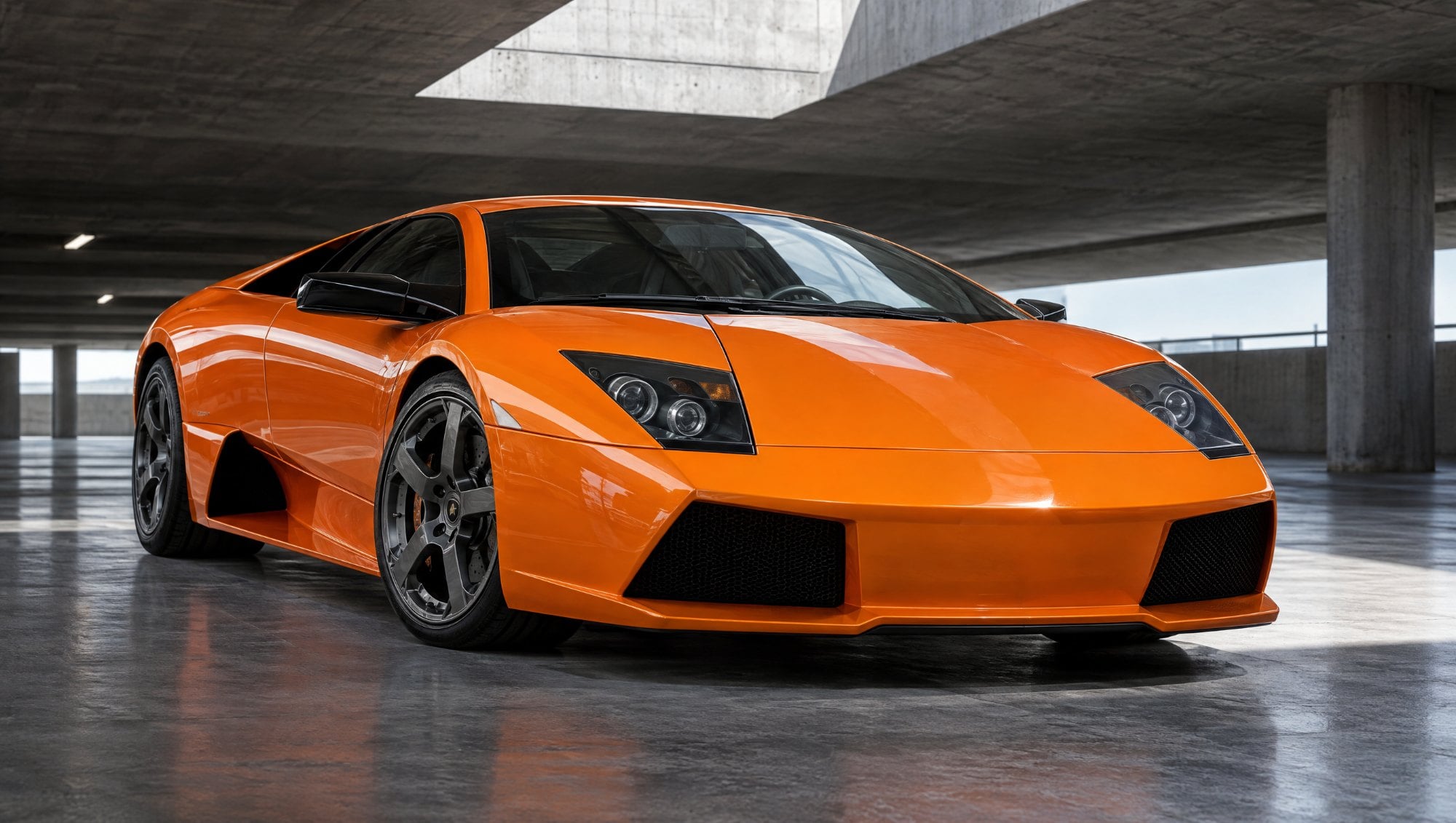
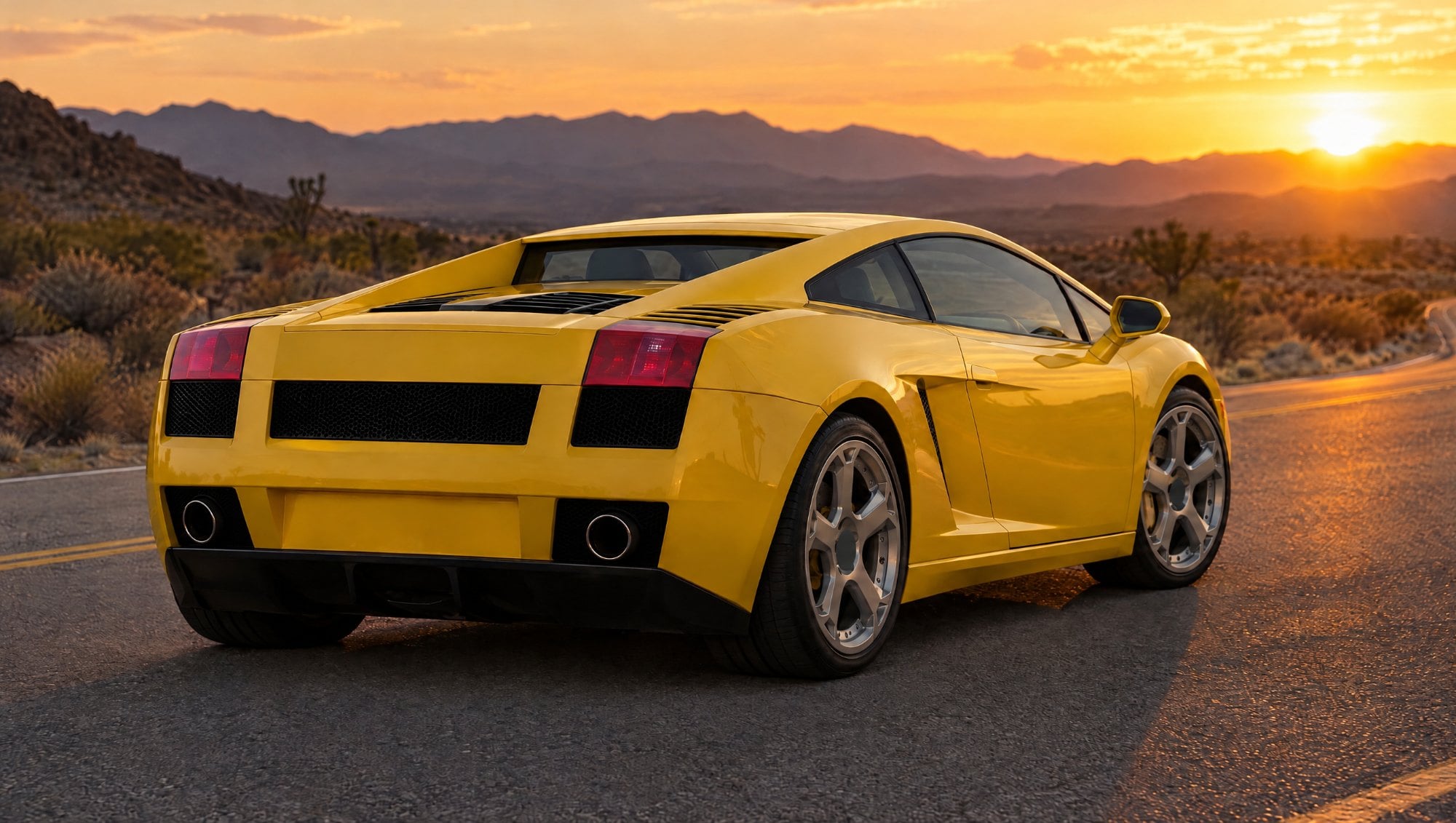
The Gallardo and Murciélago were offered with conventional manual gearboxes alongside their E-Gear counterparts. Both have since become especially interesting to enthusiasts seeking an analog driving experience in a relatively modern exotic car.
The Murciélago is particularly compelling because it combines the visual drama of Lamborghini’s V12 flagship with a transmission that places much of the driving experience directly in the owner’s hands.
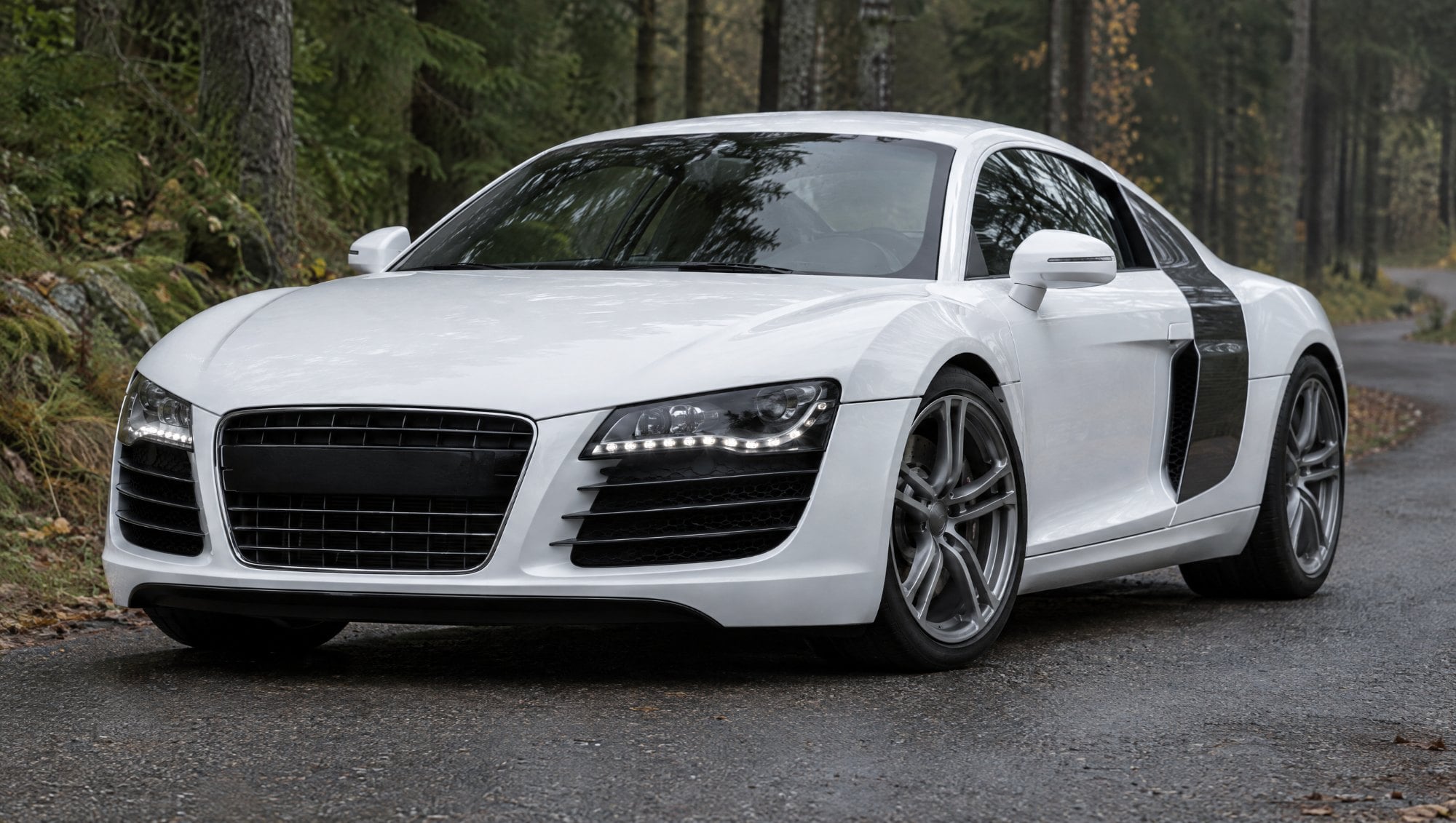
Then there is the first-generation Audi R8.
With its gated six-speed manual, available V8 or V10 power, and comparatively approachable road manners, the R8 offered an unusual combination: the sensation of an exotic car without requiring the driver to treat every journey as an event.
Each of these cars approaches the experience differently.
But they share one increasingly valuable quality.
They ask the driver to participate.
Why a Slower Gear Change Can Feel Better
Modern performance cars are extraordinarily capable.
A dual-clutch transmission can execute a shift with a speed and consistency that a human driver simply cannot match. Electronic systems coordinate engine output, transmission operation, and traction management with remarkable precision.
But enjoyment isn’t always measured by how quickly something happens.
With a manual gearbox, a driver can make a perfect shift—or get it slightly wrong.
There is a rhythm to accelerating through the gears, anticipating the next change, and matching engine speed when downshifting.
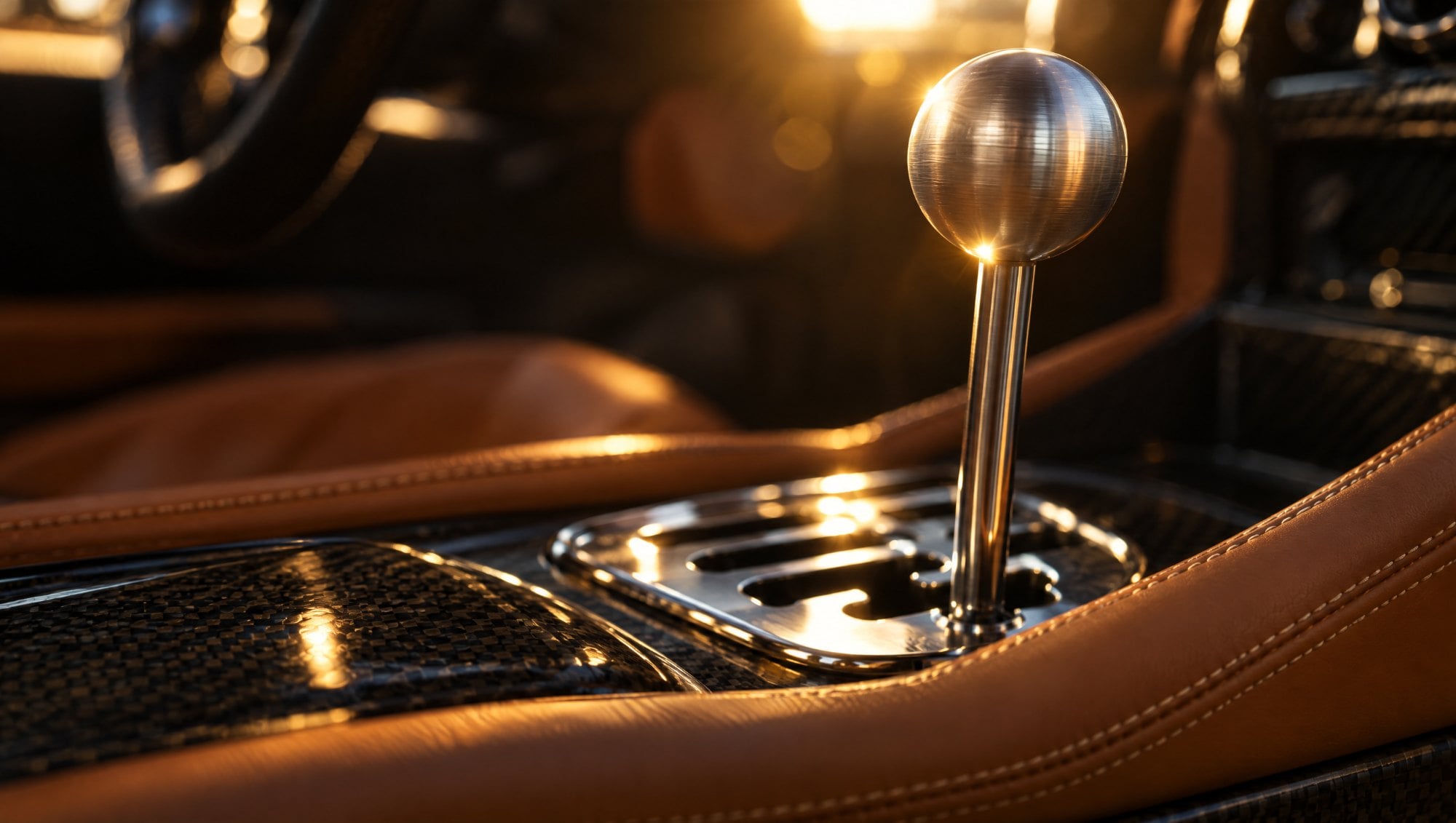
A smooth shift feels earned.
So does a well-executed downshift approaching a corner.
The car becomes less about issuing commands and more about performing a series of physical actions.
The experience is especially rewarding in naturally aspirated exotic cars, where engine response and sound are closely connected to throttle position and engine speed.
A manual Ferrari or Lamborghini doesn’t necessarily become a better-performing car because of its gearbox.
It becomes a different kind of car.
That distinction explains much of the enduring appeal.
The Collector Market Has Rewritten the Rules
For years, buyers were encouraged to choose the latest transmission technology.
Automated gearboxes were faster, more convenient, and closely associated with motorsport.
Today, the collector market often places a premium on the very feature that once seemed outdated.
Factory-manual examples of certain Ferraris, Lamborghinis, and Audi R8s can command significantly higher prices than comparable automated-manual cars.
But those premiums are not uniform.
A rare Ferrari 599 GTB with a factory manual occupies a different market from a manual Audi R8. Mileage, condition, color combination, service history, production numbers, and originality all influence value.
There is also an important distinction between a car built with a manual transmission and one converted later.
Some owners have replaced automated-manual systems with conventional manual controls. A properly executed conversion may provide an excellent driving experience, but it does not automatically carry the same collector significance as a factory-manual example.
For buyers, documentation matters.
Original build records, factory specifications, maintenance history, and a knowledgeable pre-purchase inspection can be just as important as the sight of a polished shift gate.
And rarity alone doesn’t guarantee future appreciation.
The strongest collector cars tend to combine desirability, condition, provenance, and a driving experience that remains relevant long after their performance figures have been surpassed.
What to Look for When Buying a Gated-Manual Exotic
A beautiful metal shift gate can make a powerful first impression.
But it should never replace a thorough mechanical inspection.
The clutch is an obvious starting point. Its engagement should be predictable, without unusual slipping, juddering, or excessive noise.
Gear selection deserves equal attention.
A gearbox that resists engagement when cold may behave differently once warm, but persistent grinding, difficulty selecting gears, or a lever that refuses to settle properly into position should be investigated.
Shift linkage adjustment, clutch hydraulics, transmission mounts, and previous repairs can all affect the way a manual exotic drives.
Service history is especially important because these cars may have experienced very different kinds of use.
One example might have spent much of its life covering relaxed highway miles. Another may have endured repeated hard launches, aggressive shifts, or track use.
Neither mileage nor appearance tells the complete story.
A specialist familiar with the specific model should evaluate the gearbox, clutch, engine, and related systems before purchase.
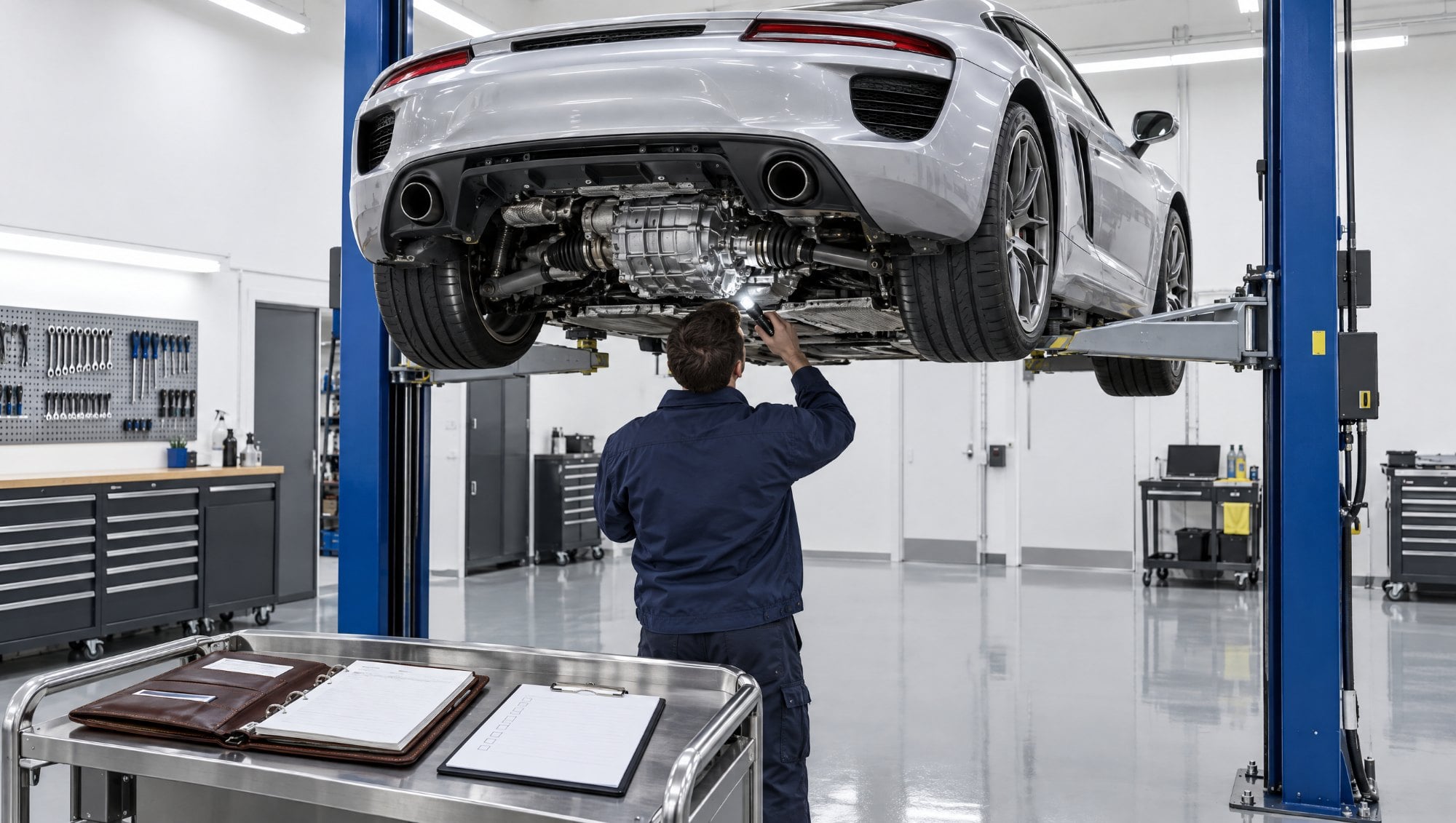
Buyers should also verify whether the car left the factory with its current transmission configuration.
For collector-oriented purchases, that detail can materially affect value.
The goal isn’t simply to find a car with three pedals.
It’s to find one that delivers the experience properly.
The Gated Manual Isn’t Quite Finished
For a time, the traditional gated manual appeared destined to become a permanent feature of automotive history.
But its appeal has proved difficult to replace.
Even manufacturers that embraced paddle-shift technology have recognized the emotional value of a physical gear lever and clutch pedal.
Ferrari’s recent 12Cilindri Manuale illustrates that fascination in a particularly unusual way.
Rather than returning to a conventional mechanically operated manual gearbox, Ferrari developed an electronically controlled system that recreates the interaction of a gated shifter and clutch pedal while retaining dual-clutch transmission hardware.
It is a modern interpretation of an old sensation.
And it raises an interesting question.
If the original mechanical process was supposedly obsolete, why devote so much engineering effort to recreating how it feels?
The answer may be that driving pleasure was never entirely about efficiency.
More Than a Piece of Polished Metal
The gated manual has become a symbol of a particular moment in automotive history.
It belongs to an era when exotic cars were becoming increasingly sophisticated but still demanded a significant amount of physical involvement from their drivers.
The engines were extraordinary. The performance was often intimidating. The interiors were frequently less accommodating than those of today’s supercars.
Yet the relationship between driver and machine remained wonderfully direct.
That doesn’t make every manual exotic superior to its automated counterpart.
Some buyers will prefer the speed, convenience, and consistency of a modern transmission. Others will appreciate the character of an older F1 or E-Gear system as part of its own period-correct driving experience.
But for those drawn to a gated manual, the attraction is difficult to separate from the simple act of changing gears.
A hand moves across the console.
The clutch comes up.
The engine responds.
And somewhere beneath the sound of a V8, V10, or V12, there is that unmistakable metallic click.
It’s a small sound. But for the right driver, it can be the reason to buy the entire car.
Buying guides, market analysis and news for people shopping exotic, luxury and collector cars. Written by the Exotic Motors team; prices and availability are checked at publication.