Picture the drag race everyone imagines. A Rimac Nevera R lines up against whatever V12 you love most, the lights go out, and about 1.74 seconds later the Rimac is doing sixty and the V12 is doing physics. There is no argument. Electric supercars won the traffic-light contest so completely that the contest stopped being interesting.
Now picture the other race. Same Nevera, same track, except the track is the Nordschleife and it has 154 corners. The Nevera went round in 7:05.2 — a genuinely fast lap, and about twenty seconds slower than a Porsche 911 GT3 with a quarter of its power. That gap is the whole story, and it is far more interesting than the drag race.
Quick Answer: Have Electric Supercars Won?
They won everything that happens in a straight line and lost almost everything that happens in a corner. Electric supercars own acceleration outright — 0–60 mph in under two seconds is beyond any combustion car. But the outright Nürburgring production record belongs to the hybrid Mercedes-AMG One at 6:29.090, thirty seconds clear of the fastest electric car ever to lap it. Meanwhile Rolls-Royce has abandoned its all-electric-by-2030 pledge and Porsche has ruled out an electric 911 through 2030. The powertrain that actually won the last two years is the hybrid.
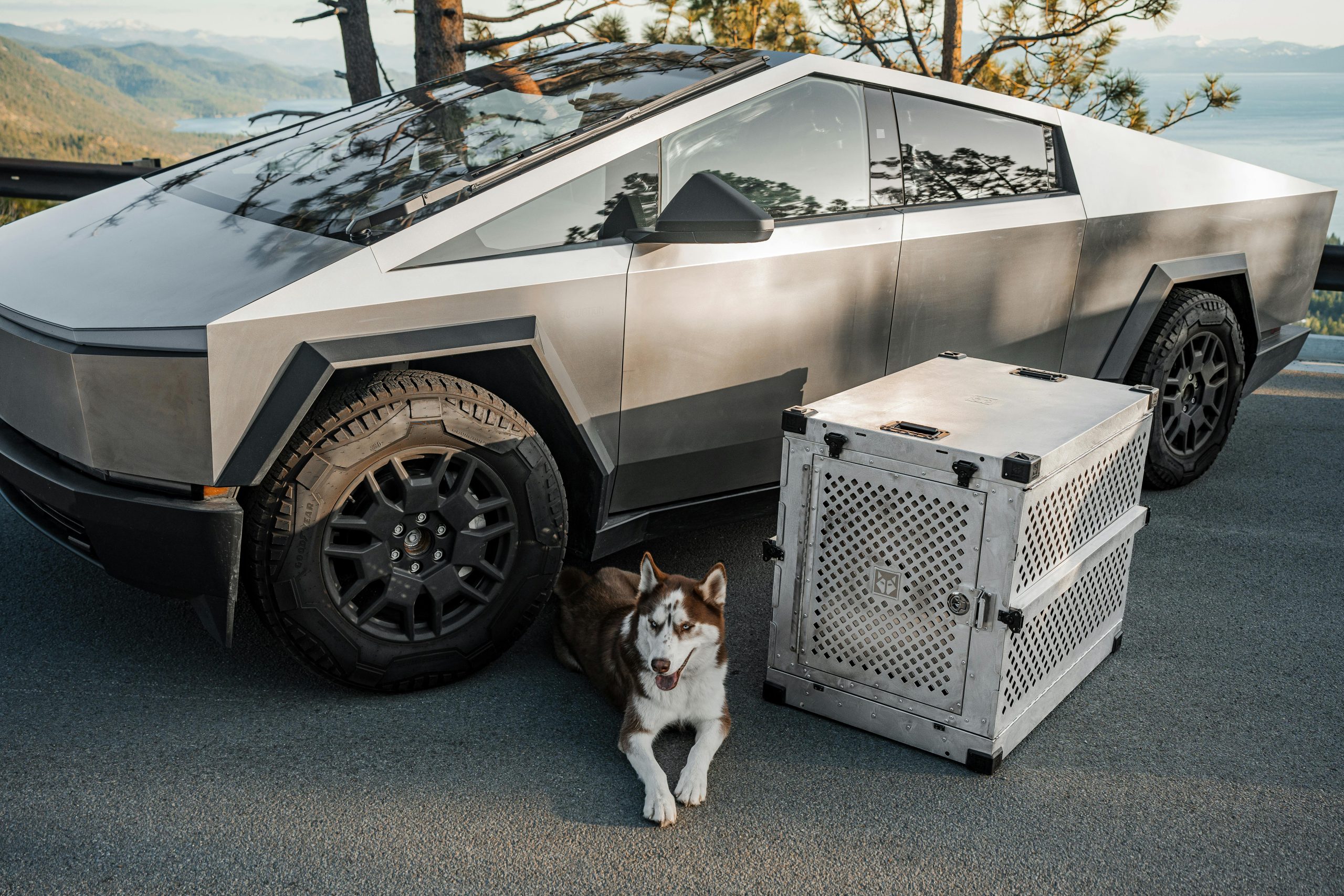
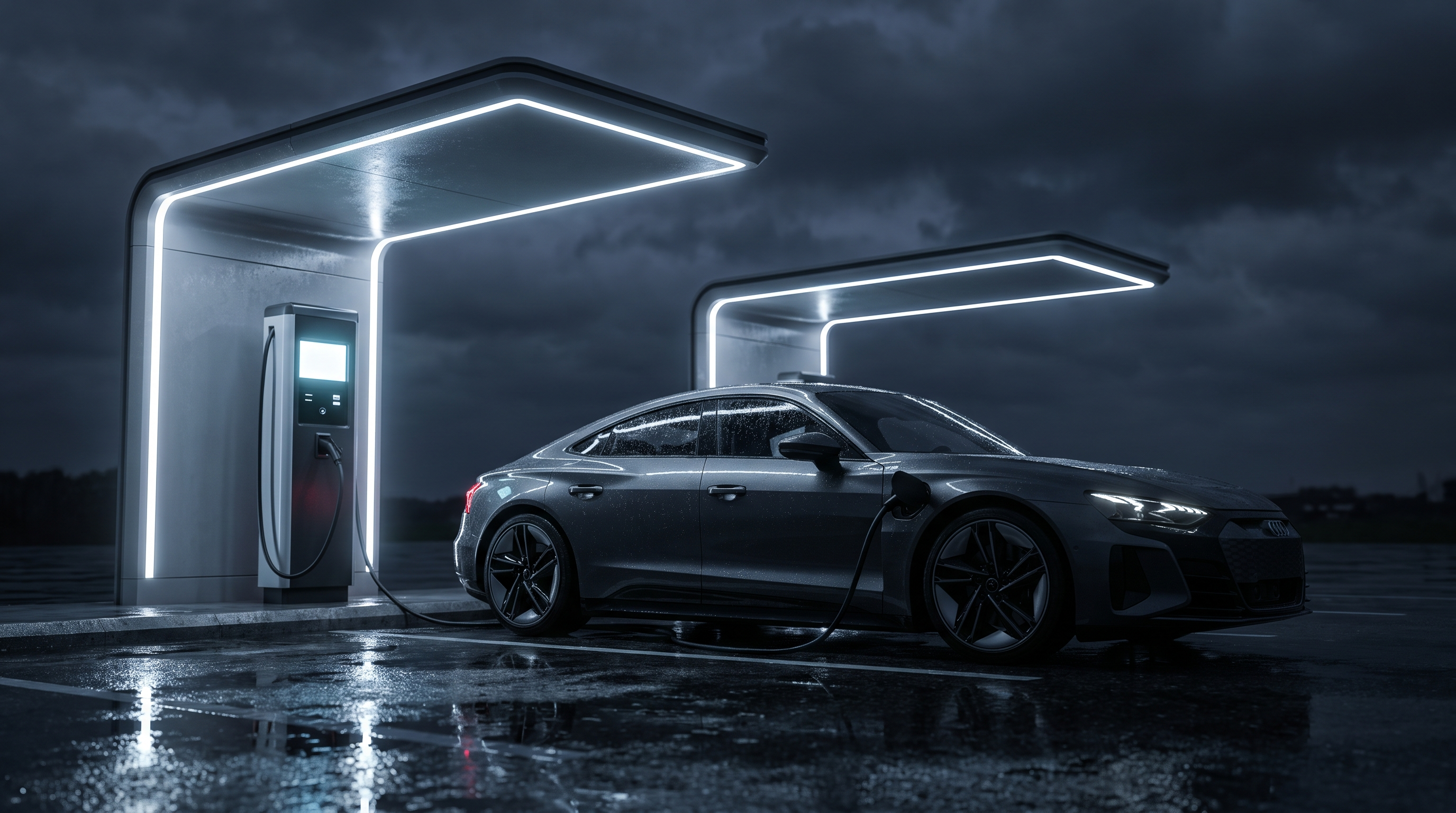
Electric supercars own the standing start so completely that it stopped being a contest. Illustrative rendering.
Table of Contents
Give Them Their Due: What Electric Supercars Own
Let us not be precious about this. An electric motor makes peak torque from zero rpm, through as many driven wheels as you care to fit, with no gearshift and no turbo lag. That combination produces acceleration that internal combustion simply cannot reach, and it is not close.
The Rimac Nevera R makes 2,107 hp from four motors, hits 60 mph in 1.74 seconds and 186 mph in 8.66. It costs £2.3 million, forty will be built, and it holds full power down to 60% state of charge. BYD’s Yangwang U9 Xtreme goes further still: over 3,000 PS, four motors spinning to 30,000 rpm on a 1,200-volt architecture, and a verified 496.22 km/h — a shade over 308 mph. Nothing with a crankshaft is going to do that, which is the case for electric supercars in one sentence.
Electric supercars also do something combustion cars are bad at, which is being pleasant. Silent, torque-rich, one-pedal, no warm-up, no drama in traffic. If your supercar spends most of its life doing eight miles to a restaurant, electric supercars are a better tool for that job, and anyone who says otherwise is performing.
And Then You Turn: Where Electric Supercars Struggle
The Nordschleife is 12.9 miles of the most unforgiving road surface used for lap times, and it is where the argument for electric supercars gets complicated. Here is the current production car order.
Car
Time
Powertrain
Year
Mercedes-AMG One
6:29.090
1.6 V6 hybrid, 1,048 bhp
2024
Porsche 911 GT2 RS (Manthey)
6:38.835
Twin-turbo flat-six
2021
Mercedes-AMG GT Black Series
6:43.616
Twin-turbo V8
2020
Porsche 911 GT3 RS (992)
6:44.848
Naturally aspirated flat-six
2022
Lamborghini Aventador SVJ
6:44.97
Naturally aspirated V12
2018
Chevrolet Corvette ZR1X
6:49.275
Hybrid V8, 1,250 hp
2025
Lamborghini Huracán Performante
6:52.01
Naturally aspirated V10
2017
Yangwang U9 Xtreme
6:59.157
Electric, 3,000+ PS
2025
Rimac Nevera
7:05.2
Electric, 1,914 hp
2023
Nordschleife production car times as reported by the manufacturers and collated by Auto Express. Comparing laps set in different years, conditions and tyres is imperfect — but the pattern is too large to be noise.
Read that table slowly, because it is genuinely startling. The fastest electric car ever to lap the Nordschleife has three times the power of a 911 GT3 RS and is fifteen seconds slower. It is beaten by a Huracán Performante from 2017 and an Aventador SVJ from 2018 — cars that are now old enough to be someone’s sensible second purchase. And the outright record holder, thirty seconds up the road, is a hybrid making a third of its power.
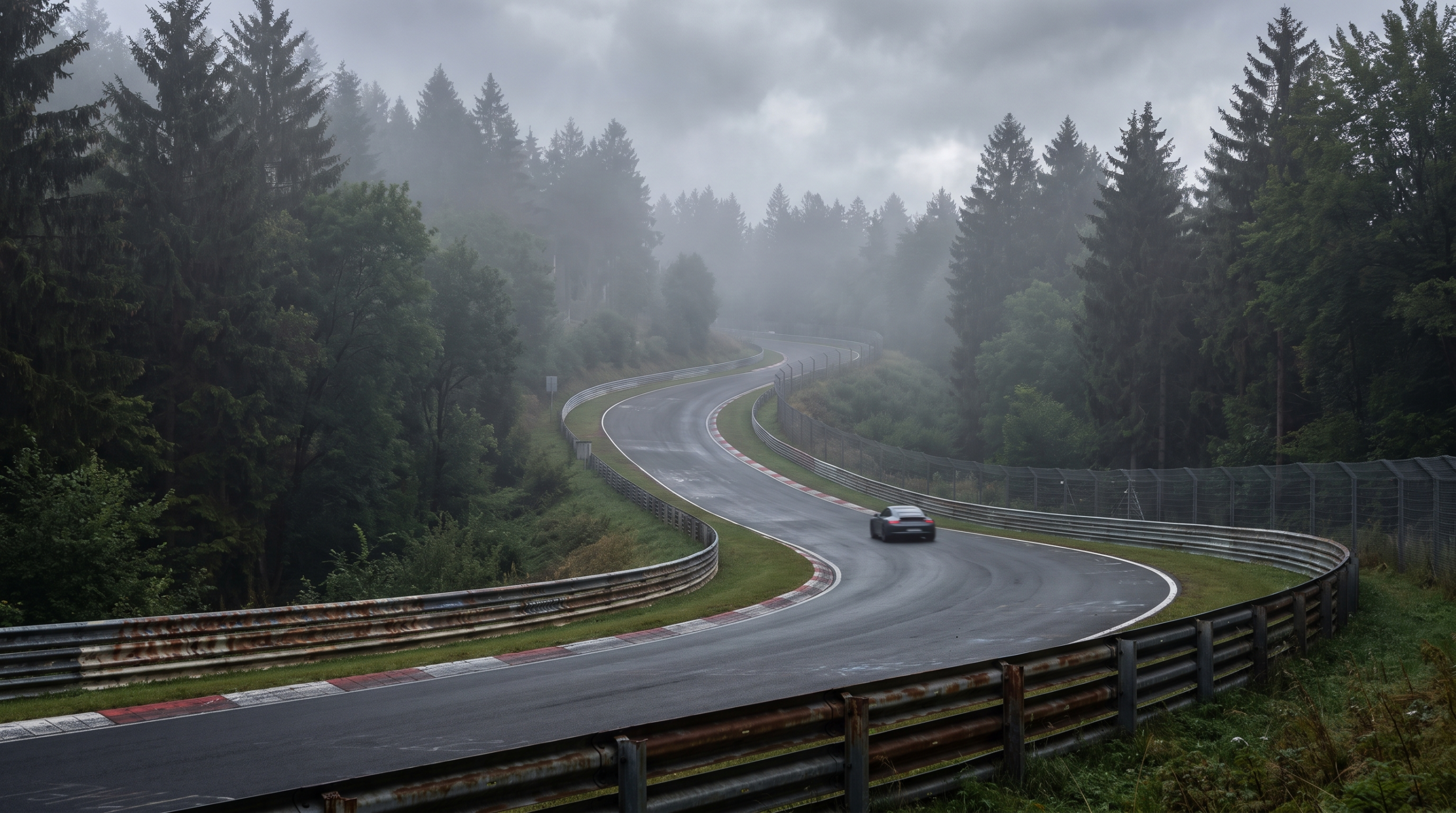
Twelve point nine miles and 154 corners is a different question from a quarter mile. Illustrative rendering.
Why Electric Supercars Lose Time: Weight, Heat and the Brake Pedal
Three things, and none of them are going away soon.
Weight. The Nevera weighs about 5,100 lb. A 911 GT3 RS is around 3,200. That is not a handicap you engineer around with clever dampers; it is a tax electric supercars pay in every braking zone, every direction change and every tyre, all lap long. Battery chemistry has improved enormously and it has not improved enough to matter here — energy density is the entire problem, and electric supercars are carrying roughly a Miata’s worth of it in the floor.
Heat. This is the one enthusiasts underrate. A combustion engine’s cooling problem is well understood after a century of practice. A battery pack pushing 2,000 hp through repeated full-power corner exits generates heat faster than any road-car cooling system can shed it, so the car derates — quietly, progressively, and exactly when you are trying to set a time. That is why electric supercars rarely set their best time on a second flying lap, and why the Nevera R’s headline claim is not peak power but that it holds peak power down to 60% charge. That specification exists because the alternative is a problem.
The brake pedal. Every electric supercar blends regenerative braking with friction braking, and blending them consistently under load is genuinely hard. The pedal has to feel identical whether the motors are doing the work, the discs are, or both are handing over mid-corner while the battery is too hot to accept charge. Get it slightly wrong and the driver cannot trust the car at the limit — and a driver who cannot trust the brakes brakes early. Twenty seconds a lap is what braking early looks like.
Autoevolution put the same list more bluntly when the Nevera’s time came in: weight, brake thermal load, drivetrain thermal management, and the regen-to-friction handover. None of that is a criticism of Rimac, who build one of the most impressive machines on earth. It is a description of the physics every builder of electric supercars is up against.
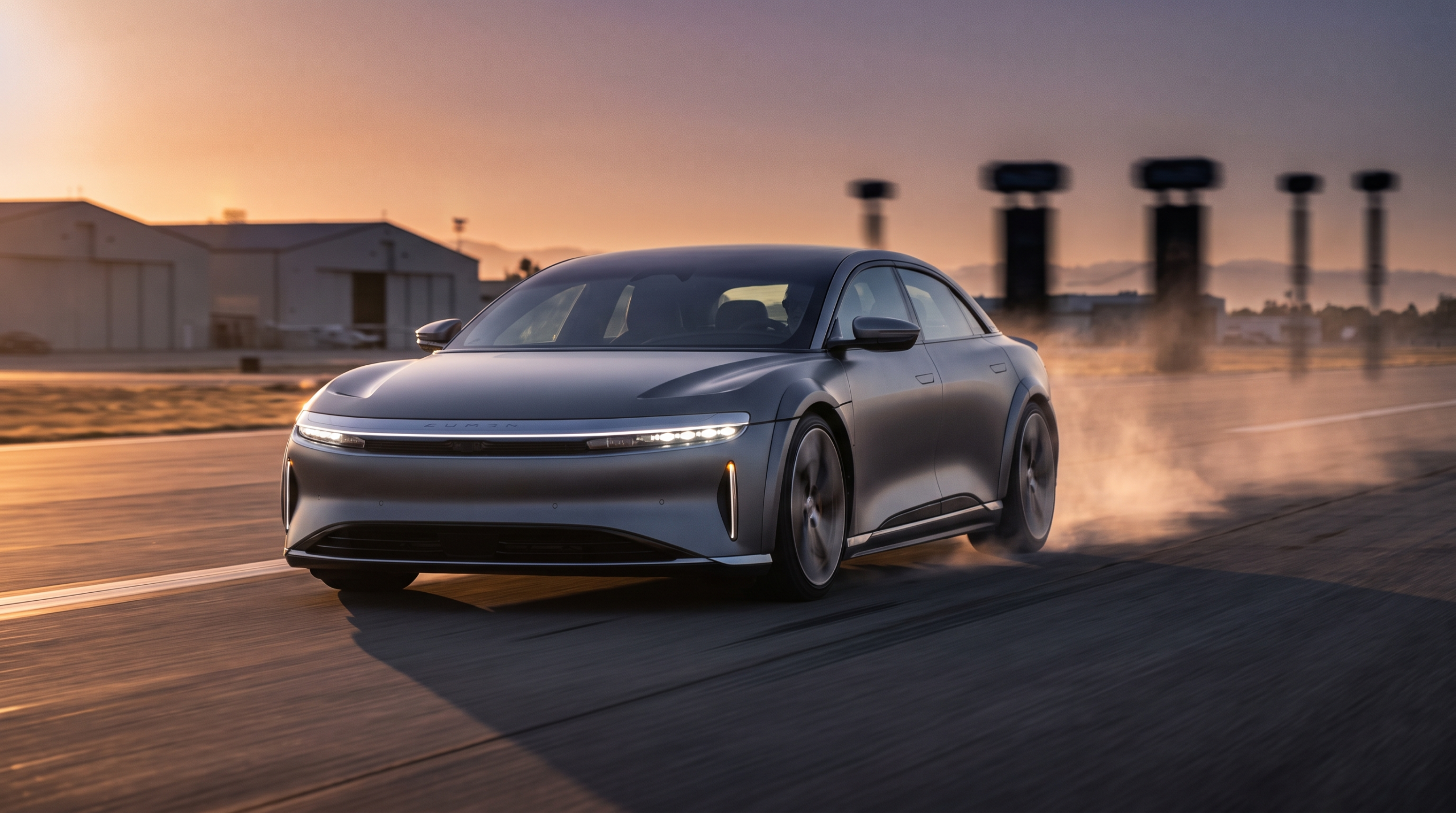
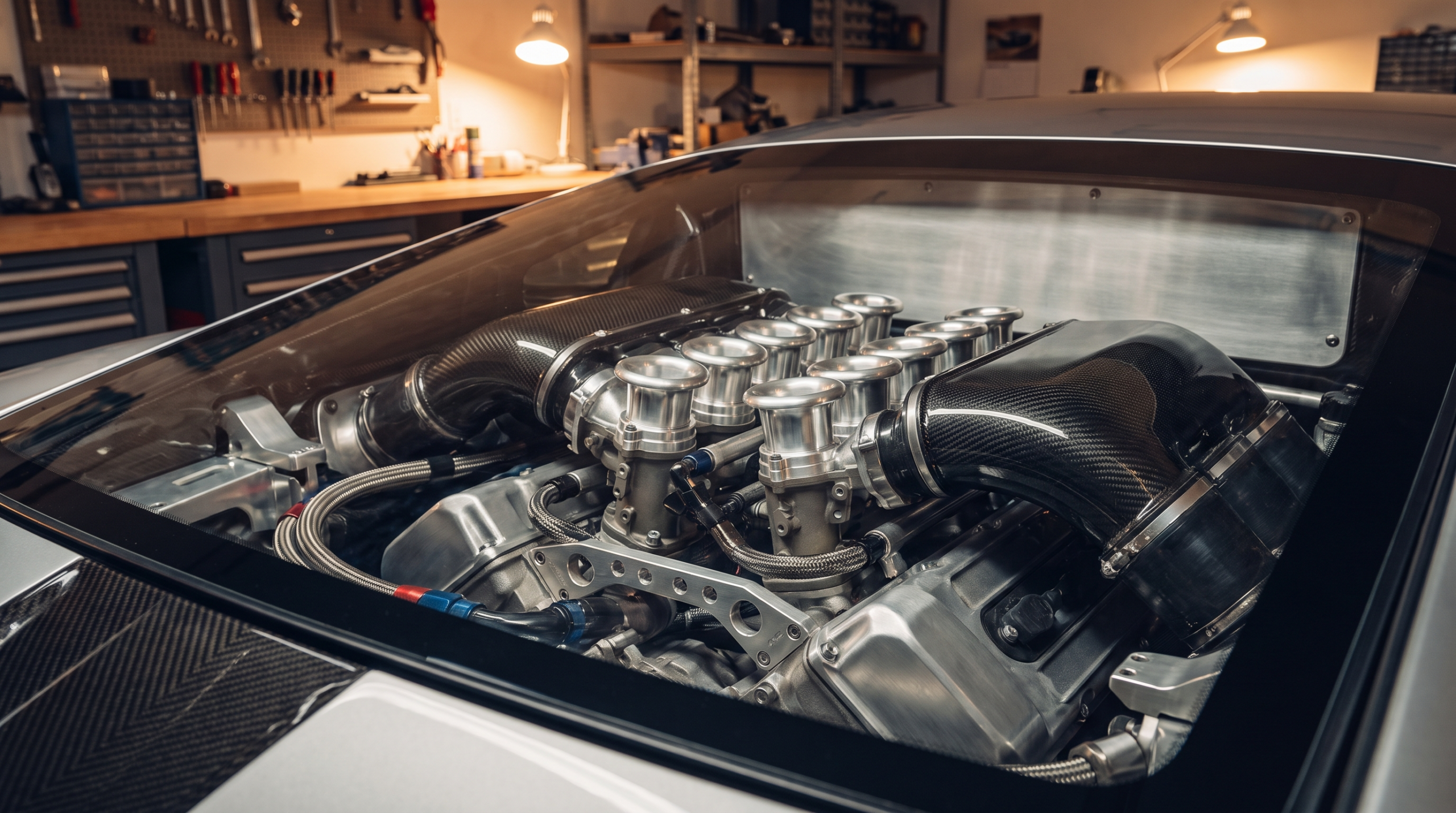
Heat is the constraint nobody puts in a press release, and it is why lap two is rarely the quick one. Illustrative rendering.
What the Manufacturers Decided About Electric Supercars
If the lap times were the only evidence against electric supercars you could call it a rounding error. The strategy reversals are harder to wave away.
Rolls-Royce abandoned its 2030 all-electric pledge in 2026. Chief Executive Chris Brownridge’s reasoning was that for every client who wants an electric car there is one who does not. The V12 continues; BMW Group says it can be brought to Euro 7 with component changes.
Porsche has ruled out an electric 911 through 2030, committing the model to combustion and hybrid power. The electric 718 is still coming, but the 911 — the car the company is judged on — stays as it is.
Spectre sales fell 47% in 2025, to 1,002 cars. It still outsold the Ghost, so this is not a failure. It is not the landslide anyone modelled either.
The cancellations skewed one way. When we went back through a December 2024 list of ten upcoming exotics to see what shipped, four had arrived and two had been cancelled outright — the Lamborghini Lanzador EV and the Maserati MC20 Folgore. Every casualty was electric. Every combustion and hybrid car on that list made it to production.
None of this means electric supercars are a dead end. It means the industry mistook the rise of electric supercars for a schedule, and the schedule has been rewritten by customers rather than by engineers.
And Then Ferrari Built One Anyway
Here is the part that stops this being a tidy story against electric supercars. In May 2026 Ferrari unveiled the Luce, its first electric car, from around €550,000. Three months later RM Sotheby’s sold chassis 0 at Monterey for $40,000,000 in a charity lot for the Ferrari Foundation.
Treat the $40 million as philanthropy rather than valuation — nobody should price a Luce off a charity result. But the €550,000 list price is real, and so is the fact that the most conservative brand in the business, the one whose customers are most attached to the noise, decided that electric supercars were worth building. Ferrari does not do gestures at that price point.
So the honest reading is not that electric supercars failed. It is that they arrived on a different timeline, in a different role, than the 2021 press releases promised.
Ferrari built one anyway, and priced it at around 550,000 euro. Illustrative rendering.
The Powertrain That Actually Won Was the Hybrid
While everyone argued about electric supercars versus pistons, a third answer quietly took the trophies. Look at what has actually been fast and actually sold out in the last two years:
Mercedes-AMG One — 1,048 bhp, a Formula 1 hybrid layout, and the outright Nordschleife production record at 6:29.090.
Chevrolet Corvette ZR1X — 1,250 hp hybrid V8, 6:49.275 round the Nordschleife, and an American car mixing it with Stuttgart and Sant’Agata.
Porsche 911 Turbo S T-Hybrid — 701 hp and 7:03.92, using a tiny electric motor on the turbocharger rather than a heavy battery, which is exactly the point.
Lamborghini Fenomeno — 1,065 hp hybrid V12, 29 built, 0–100 km/h in 2.4 seconds.
Ferrari 849 Testarossa — 1,050 cv, or 1,036 hp, from a hybrid V8.
Bugatti Tourbillon — a naturally aspirated V16 with hybrid assistance, 1,800 PS.
Notice what the fast hybrids have in common: the electric part is small and it is there to fill a specific hole. Torque below 3,000 rpm. Turbo lag. The half-second between throttle and boost. Porsche’s T-Hybrid is the purest expression — an electric motor on the turbo, adding response without adding much mass. That is engineering, rather than ideology, and it is why these cars are quick everywhere rather than quick once.
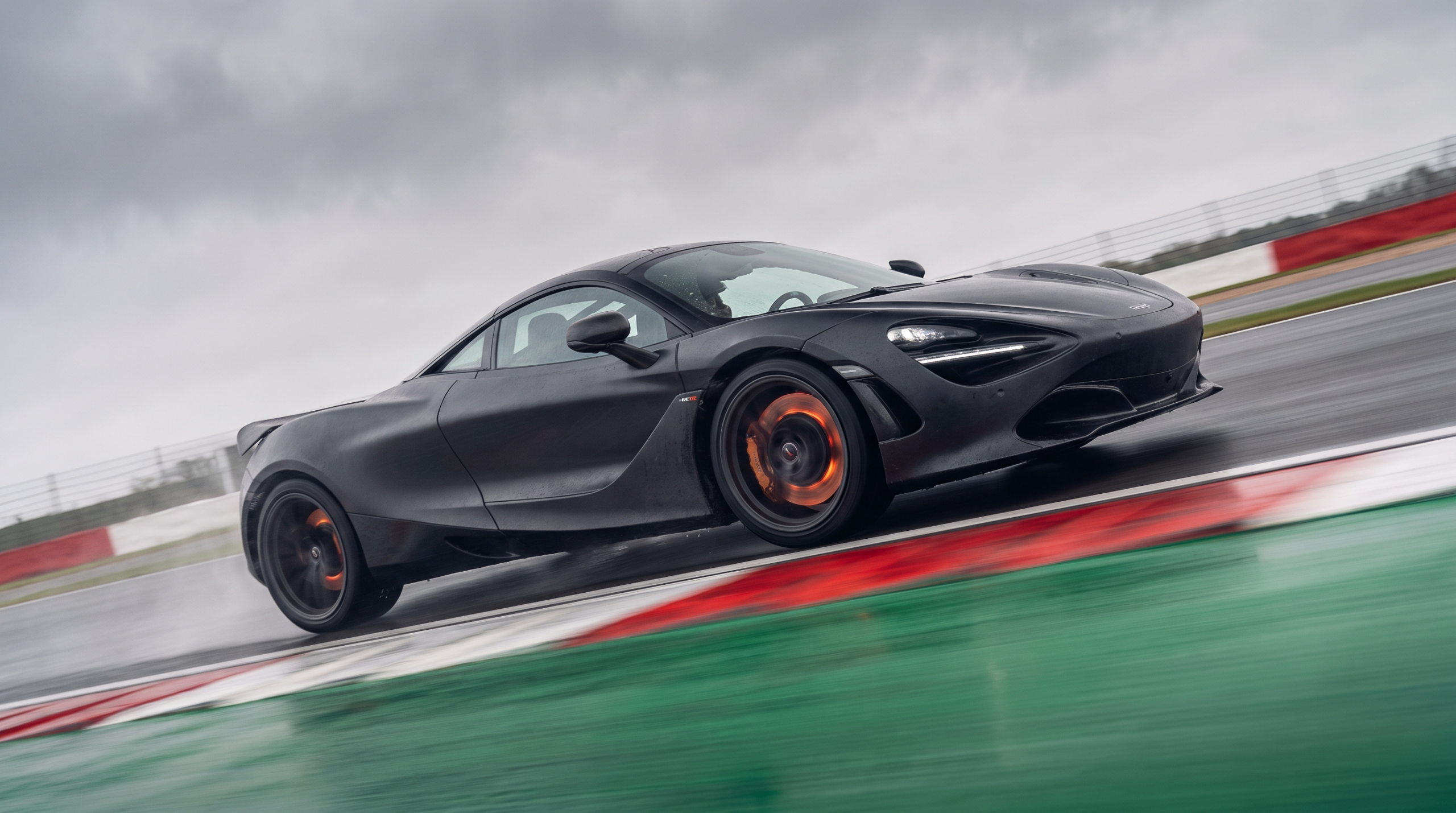
The hybrids that won kept the engine and used electricity to fix its weaknesses. Illustrative rendering.
What This Means If You Are Buying Electric Supercars
All of the above is fun to argue about. Here is the part about electric supercars that costs money.
Depreciation has not been kind to electric supercars. Cancelled programmes, shifting strategies and rapid battery improvement all push used values down — the three-year-old EV is competing with a materially better new one in a way the three-year-old V12 is not.
The battery is the asset with the shelf life. Ask about warranty term, transferability, state-of-health reporting and — critically — whether replacement packs will still be available in a decade for a car built in the dozens.
Naturally aspirated engines have become the collectible thing. Not because they are faster, but because the supply has stopped. The Aventador SVJ on that lap-time table is a good illustration of what happens to a great last-of-line engine.
Hybrids are the safest performance buy right now, on the current evidence: they are quick, they are what manufacturers are actually committing to, and they carry neither the battery-obsolescence question nor the emissions-cliff question.
Buy the one you want to drive. The lap-time gap is twenty seconds on the hardest circuit in the world. On your favourite road it is nothing, and the car you actually enjoy is the one you will actually use.
The version of this article we published in 2024 assumed the transition was a schedule: electric supercars would keep getting better, combustion would fade, and the only question was how fast electric supercars would take over. Two years of lap times and strategy reversals later, that reads as a category error.
What actually happened is that electricity turned out to be an outstanding solution to some problems and a poor one to others, and the industry has spent two years working out which is which. It is unbeatable at standing-start acceleration and at being civilised. It is currently beaten by weight and heat over a long lap. It is superb as an assist to a combustion engine and harder to justify as a replacement for one in a car whose entire purpose is a good road on a Sunday.
Battery energy density will improve. Thermal management will improve. Someone will eventually put one of the electric supercars on top of that lap-time table and it will be a genuinely great day. But the useful thing to notice is that it has not happened yet, five years after everybody assumed it was imminent — and that in the meantime the hybrids ran off with the silverware while nobody was looking.
Our family has been in the car business for more than a century, which is long enough to have watched several technologies arrive as the inevitable future and then settle into being one good option among several. That is usually the right prediction, and it is boring, and it keeps being correct.
Are electric supercars faster than combustion supercars?
In a straight line, comprehensively. The Rimac Nevera R reaches 60 mph in 1.74 seconds and no combustion car will match that. Around a lap it is the other way: the fastest electric car to lap the Nordschleife managed 6:59.157, while the hybrid Mercedes-AMG One holds the outright production record at 6:29.090 with a third of the power.
Why are electric supercars slower around a track?
Three reasons. Weight — the Rimac Nevera is about 5,100 lb against roughly 3,200 for a 911 GT3 RS. Heat — a battery pushing 2,000 hp through repeated corner exits generates more heat than a road car can shed, so the car derates. And brake feel — blending regenerative and friction braking consistently at the limit is genuinely difficult, and a driver who cannot trust the pedal brakes early.
What is the fastest electric car around the Nurburgring?
The BYD Yangwang U9 Xtreme, at 6:59.157 on 22 August 2025 — the first electric production car under seven minutes. It makes over 3,000 PS from four motors spinning to 30,000 rpm on a 1,200-volt architecture and has recorded 496.22 km/h. It still sits behind a 2018 Lamborghini Aventador SVJ on outright lap time.
Are manufacturers giving up on electric supercars?
Not giving up, but rescheduling. Rolls-Royce dropped its all-electric-by-2030 pledge in 2026 and Porsche has ruled out an electric 911 through 2030. At the same time Ferrari launched the Luce, its first EV, in May 2026 at around 550,000 euro. The retreat is from fixed deadlines rather than from the technology.
Is a hybrid supercar a better buy than an electric one?
On current evidence, for most buyers, yes. Hybrids hold the outright Nurburgring record, they are what manufacturers are committing to, and they avoid both the battery-obsolescence question and the emissions-cliff question. The fast hybrids also use electricity sparingly — Porsche’s T-Hybrid puts a small motor on the turbocharger rather than a heavy pack under the floor.
Do electric supercars hold their value?
Generally less well than combustion equivalents so far. Cancelled programmes, shifting manufacturer strategies and rapid battery improvement all weigh on used values, because a three-year-old EV competes against a materially better new one. Check battery warranty term, transferability, state-of-health reporting and long-term pack availability before buying.
Owning an exotic car is not about speed or luxury- It’s about embracing an experience, where the road becomes your canvas and the car, your masterpiece.
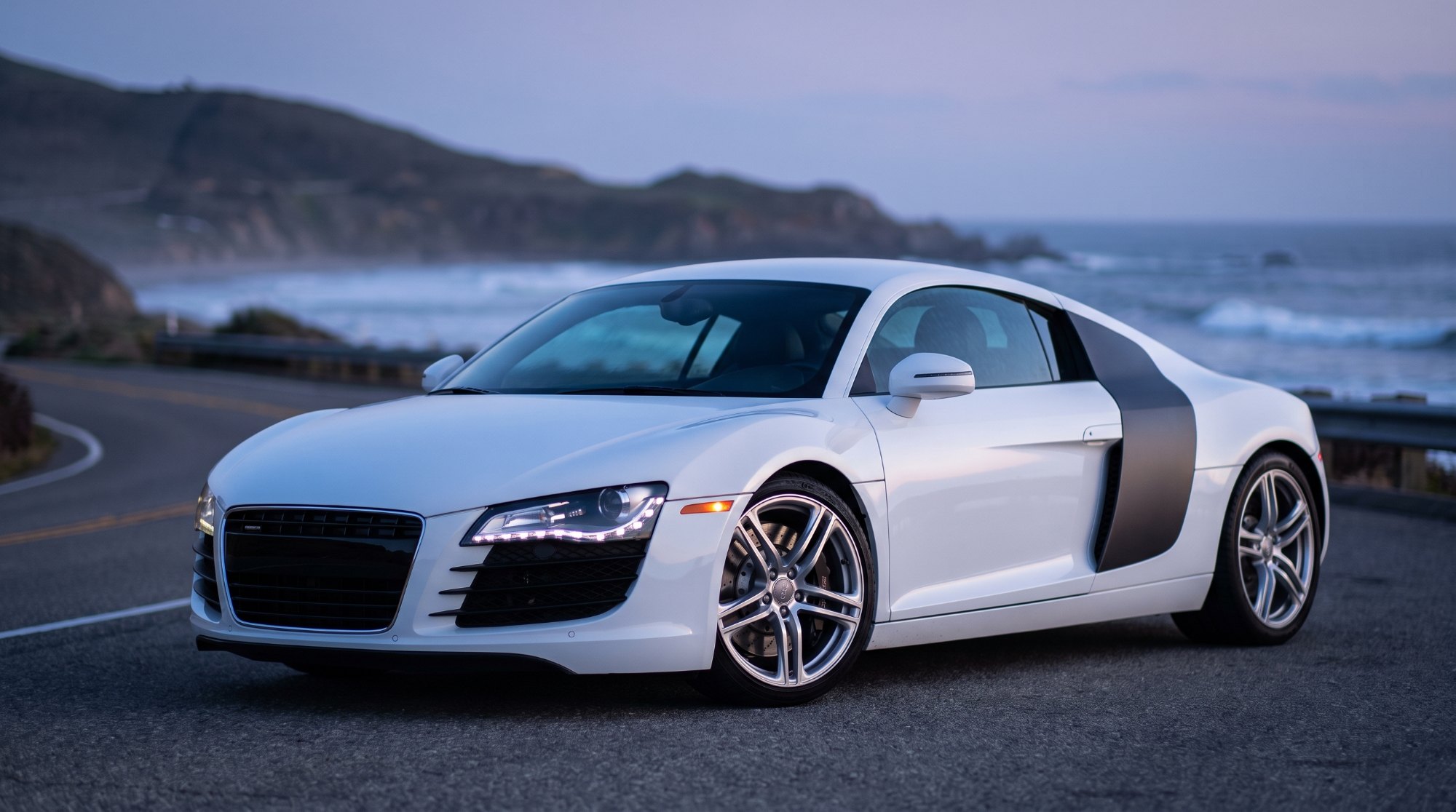
A gated-manual Audi R8 can deliver something a newer automatic cannot. Here is what recent sales say about the premium, how to verify a factory manual, and when the extra money serves your priorities.
A used Lamborghini Huracán can still be a smart buy in 2026, if you choose the right variant and a well-documented car. Here is which version suits which buyer, what U.S. dealers are asking, and what to check first.
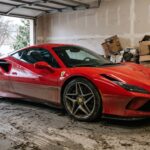
A flooded Ferrari at half price can look like the deal of a lifetime. Here's how to judge the water, the paperwork, the repair math, and whether the discount is ever enough.
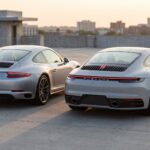
991.2 or 992? A buyer's guide to the used Porsche 911 Carrera decision: transmissions, body styles, options, inspection, warranty, running costs and the real price gap.