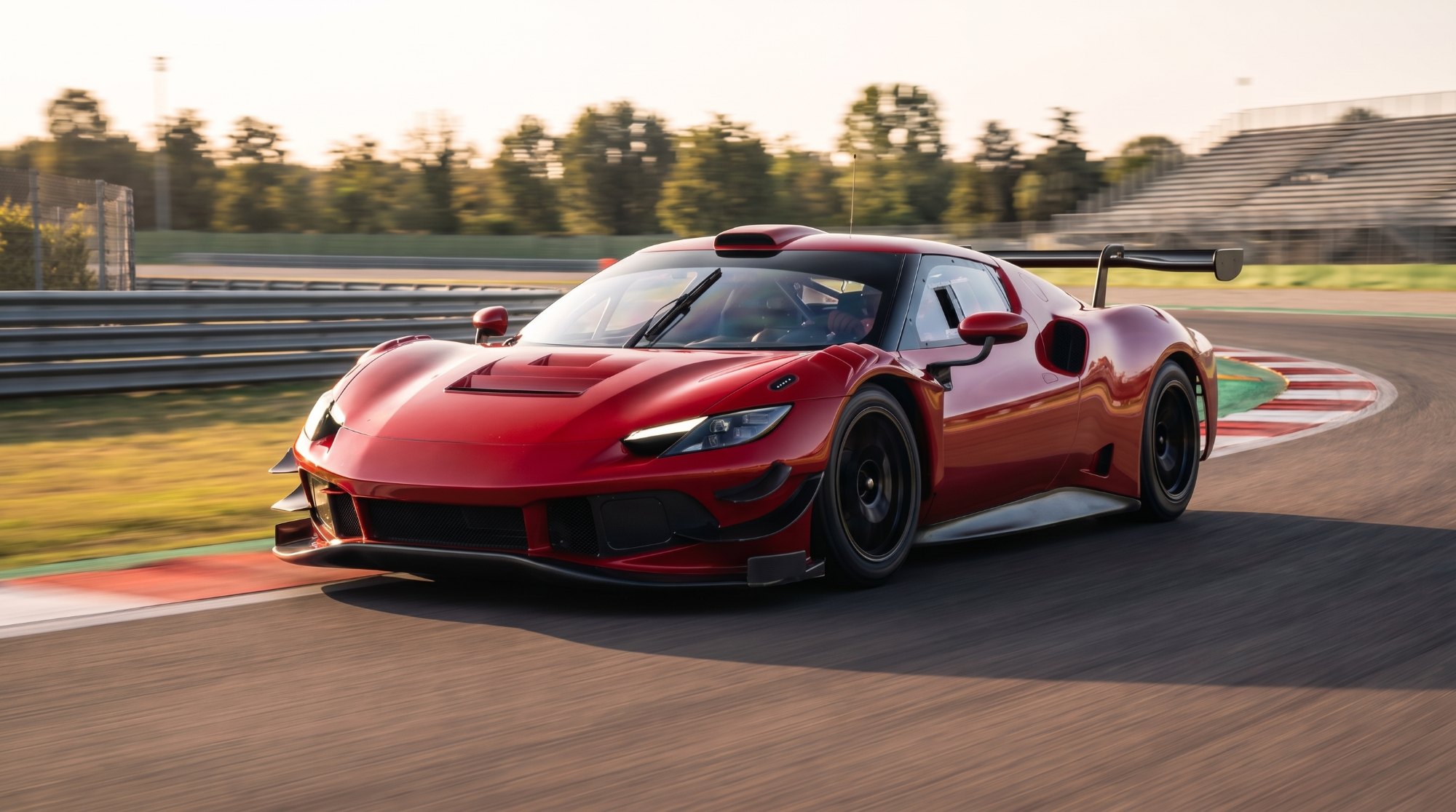
Every article about supercar capitals ranks the same seven cities in a slightly different order, and not one of them will tell you where the number came from. That is because there isn’t one. Nobody counts supercars by city. There is no register, no survey, no dataset — just a lot of confident supercar capitals lists built on Instagram impressions and the assumption that everyone else must have checked.
So let us do the honest version. There is real, published data adjacent to this question, and once you use it the picture of the supercar capitals changes considerably — the city most lists put first has been shrinking for a decade, and the two cities with the most likely owners on earth barely feature in the conversation at all.
Quick Answer: Which Cities Are the Real Supercar Capitals?
It depends which question you are asking, and no one publishes supercar counts by city. On resident millionaires — the best available proxy — New York leads with 384,500, ahead of the Bay Area on 342,400 and Tokyo on 292,300, per Henley & Partners. On density, Monaco is untouchable: more than 40% of residents are millionaires, the highest ratio of any city on earth. But the supercar capitals where you will actually see cars on the street are different again, because ownership and visibility are not the same thing.
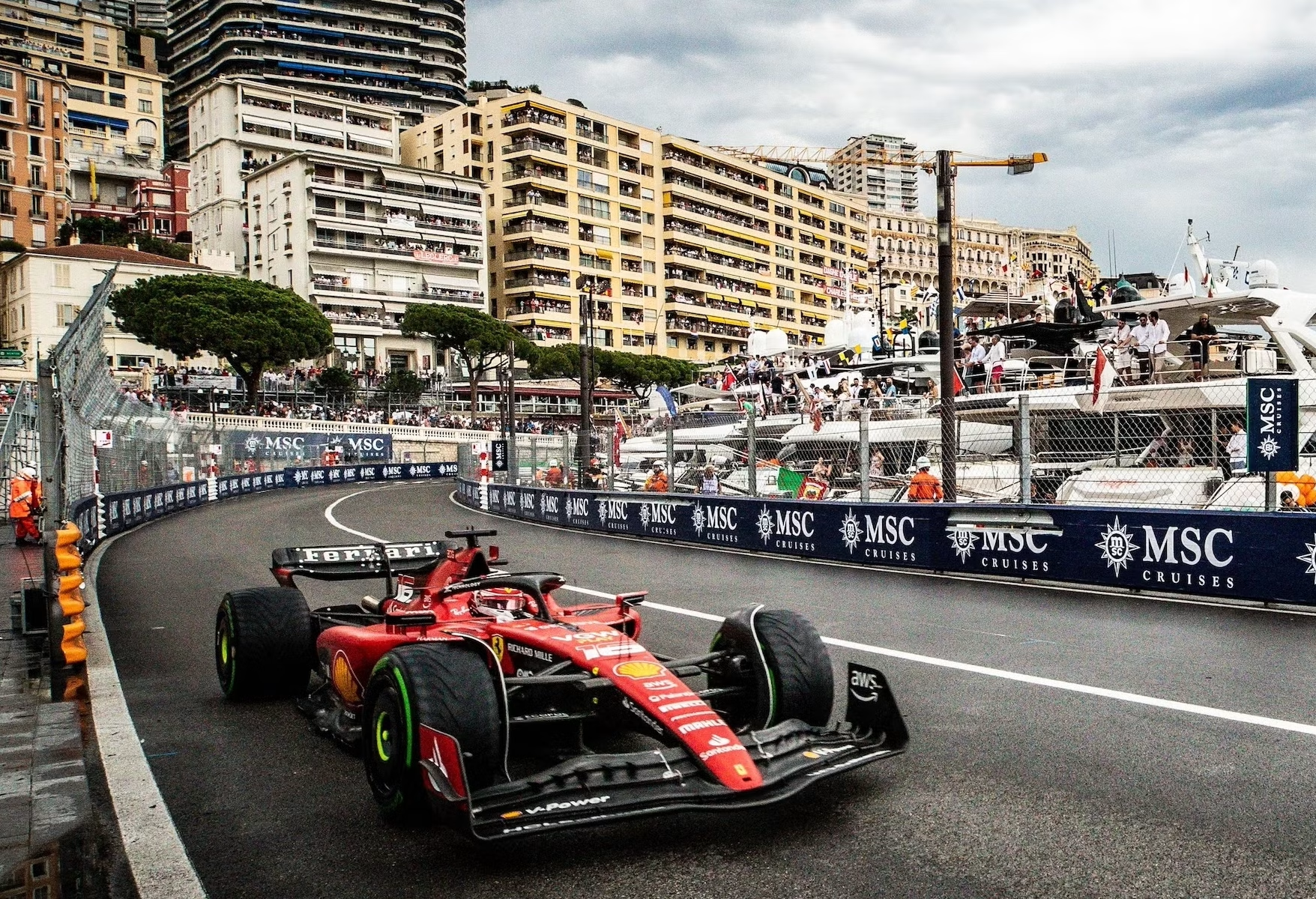
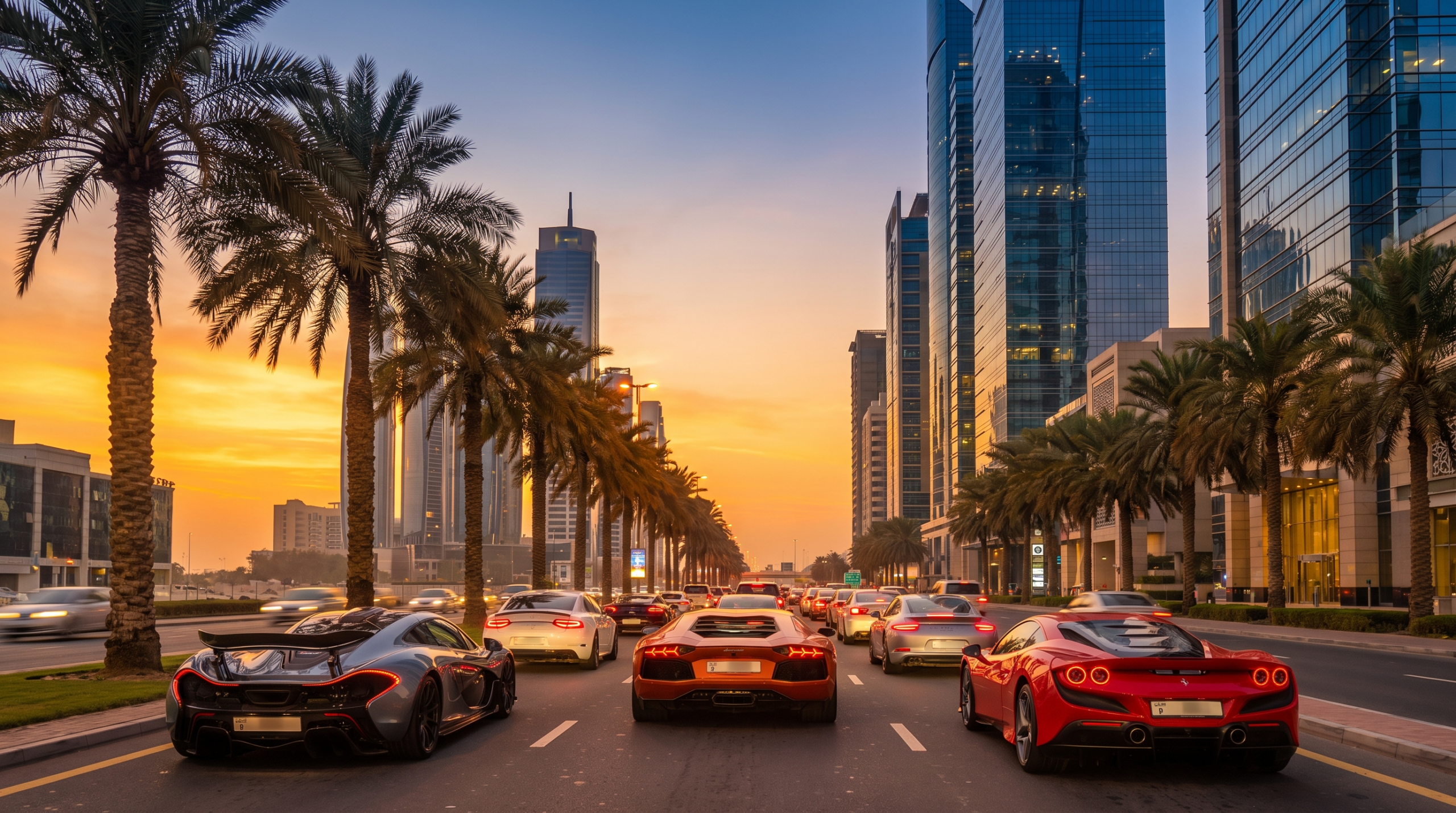
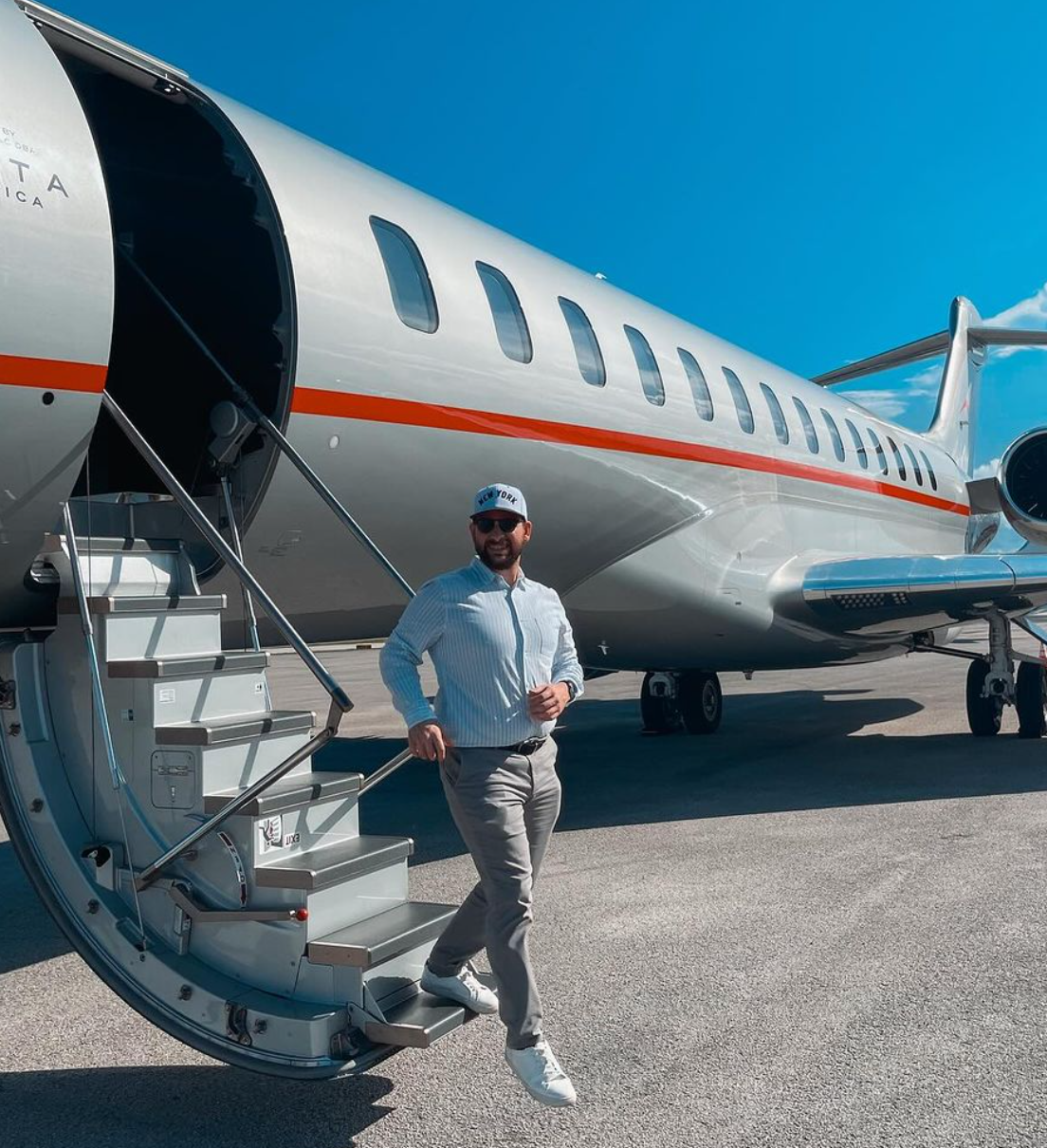
Most rankings of supercar capitals are built on impressions rather than counts. Illustrative rendering.
Table of Contents
Nobody Actually Counts the Supercar Capitals
Ranking the supercar capitals properly would need registration data broken out by city, and almost nowhere is it and by the categories enthusiasts care about. Manufacturers publish sales by country or region, not by postcode, and they publish deliveries rather than the parked population. Neither tells you how many Ferraris are in Mayfair on a Tuesday.
What complicates it further is that these cars move. London’s famous summer influx is largely cars shipped in from the Gulf for a few months and shipped home again. Monaco’s population of exotics swells enormously for one week in May. Any count would have to specify a date, and no list ever does.
So we are going to use the best available proxies, say plainly what they are, and let you judge. That is a less satisfying answer than a numbered list, and it is a far more useful one.
What We Can Actually Measure About Supercar Capitals
Henley & Partners publishes an annual World’s Wealthiest Cities report with New World Wealth, counting resident millionaires by liquid investable wealth — real estate excluded. It is the closest thing to a defensible ranking of the supercar capitals by where owners live.
Two things jump out. New York and the Bay Area are first and second by a distance, and neither is anybody’s idea of a supercar capital. And London — routinely ranked number one on lists like the one this page used to be — sits sixth, having lost 12% of its millionaire population over the past decade.
One last caveat on the numbers, because it matters. Millionaire counts are a proxy and an imperfect one: plenty of the people in those totals have no interest in cars at all, and plenty of supercars belong to people who would not appear in a liquid-wealth survey — leased, financed, company-owned or bought instead of a house. Treat the table as the best available signal about the supercar capitals, not as a count of cars.
Density: Monaco Beats Every Other Supercar Capital
If the question is concentration rather than headcount, the answer is settled and it is not really a contest. More than 40% of Monaco’s residents are millionaires — the highest ratio of any city on earth, in a principality smaller than Central Park. Prime apartments trade above USD 38,800 per square metre.
That is why Monaco feels unlike any of the other supercar capitals. Everywhere else, exotic cars are a rounding error in the traffic. In Monte Carlo they are a meaningful share of it, because the denominator is tiny and the numerator is enormous. Of all the supercar capitals, it is the only one where the density is a statistical fact rather than a vibe.
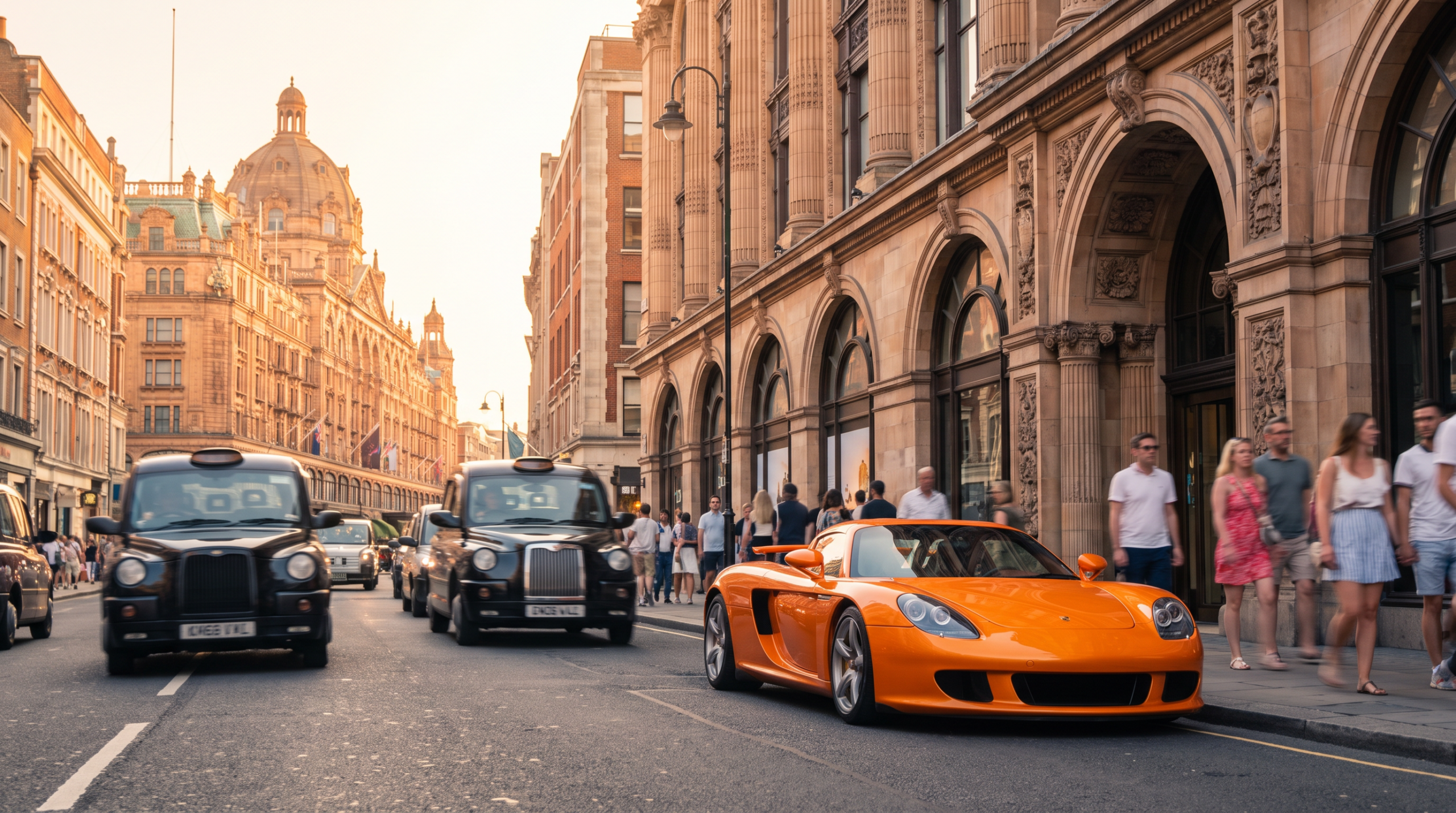
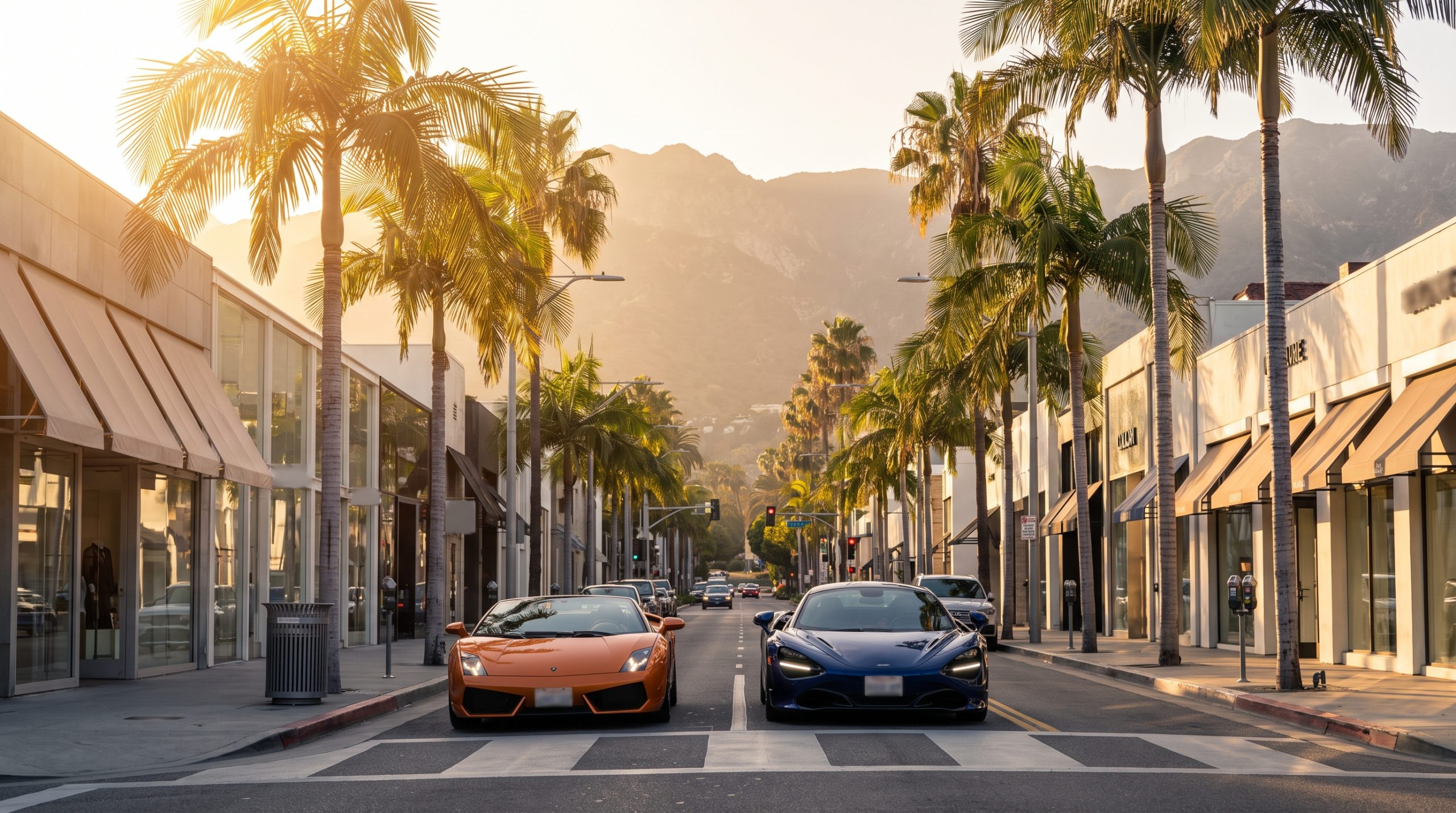
Monaco: more than 40% of residents are millionaires, the highest ratio of any city. Illustrative rendering.
In the Biggest Supercar Capitals, Owning and Seeing Are Different Things
Here is the insight that standard lists of supercar capitals obscure. New York has more likely supercar owners than anywhere on the planet, and it is a mediocre city for actually seeing supercars. The Bay Area is second, and it is worse.
Ownership converts into street presence only when several other things line up, which is what separates the supercar capitals from the merely rich cities. Climate: salt and winter keep cars stored for months. Streets: potholes, aggressive traffic and low-speed congestion are hostile to low, wide, expensive machinery. Parking: a car that has nowhere safe to sit stays in the garage. And culture, which is the biggest variable of all — whether owning one of these is something you do quietly or something you do on a Saturday night on a particular street.
Tokyo is the clearest illustration. Third in the world for millionaires, and a city where wealth is displayed with enormous discretion. The cars are there. Most of them are underground.
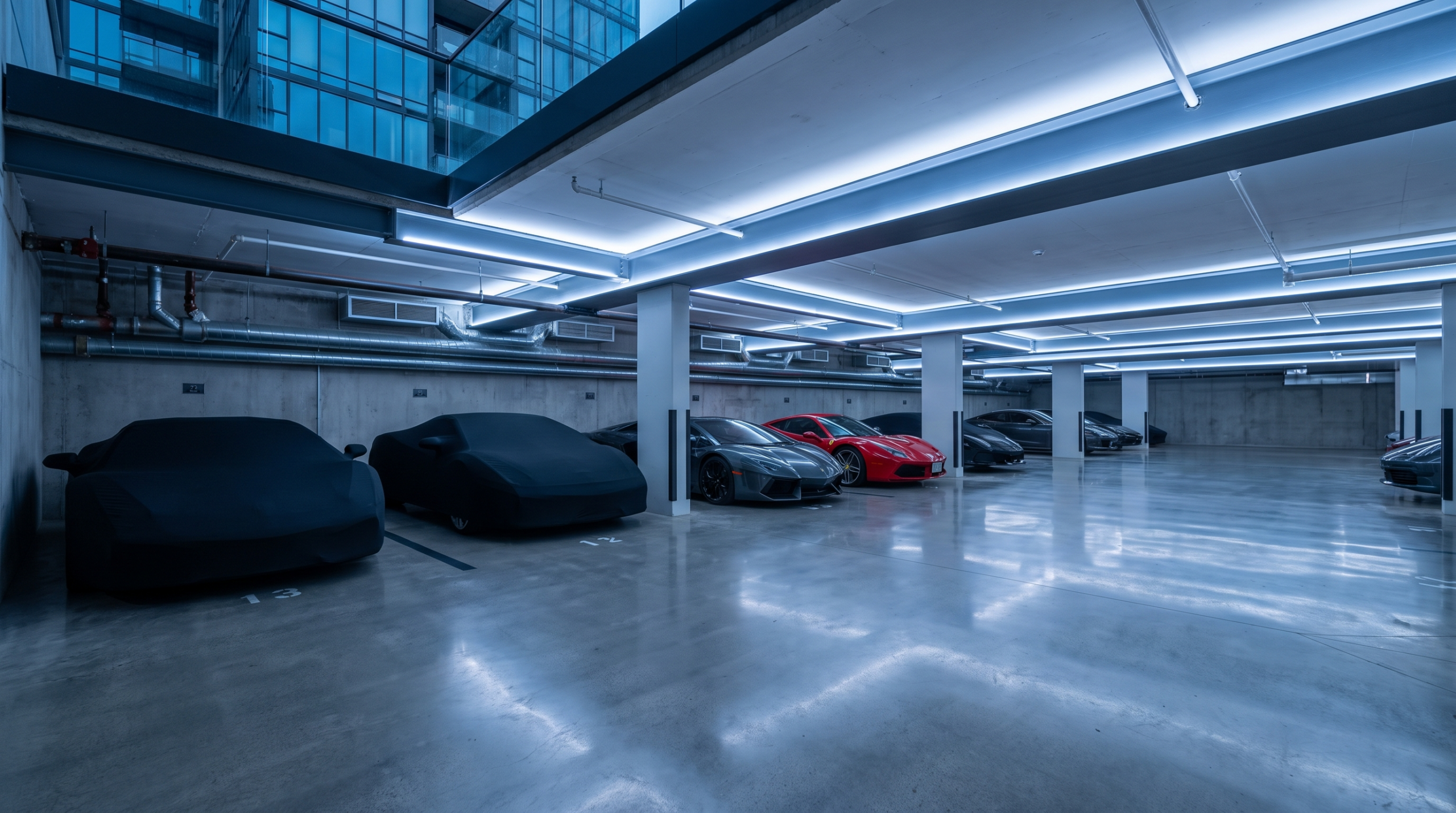
In the cities with the most owners, most of the cars are underground. Illustrative rendering.
The Supercar Capitals, City by City
Dubai is the supercar capital the data most supports as a genuine riser. It holds 81,200 millionaires, up 102% over the past decade, and it is projected to double its centi-millionaire population by 2035. Add year-round dry weather, wide new roads and a culture with no reticence about display, and you get the highest ratio of visibility to population anywhere. Even the police fleet is part of the marketing.
London remains extraordinary in summer and is the most misunderstood entry on any list of supercar capitals. Its famous season is substantially imported — Gulf owners shipping cars in for a few months. Underneath that, the resident wealth base has fallen 12% in a decade. The spectacle is real; the trend beneath it is not what the spectacle suggests.
Los Angeles is fifth for millionaires and probably first for driving them. Year-round weather, canyon roads worth the trip, and an industry built on being seen. If you want to actually watch supercars being used rather than parked, LA has the strongest case of any large city.
Miami punches above its wealth ranking among the supercar capitals for the same reasons Dubai does — climate, culture, and a social scene that rewards arriving in something loud. It is also the American city where exotic rental fleets are deepest, which inflates the street count in a way owner data never captures.
New York and the Bay Area top the wealth table and behave nothing alike. Manhattan hides its cars in garages and drives them out of the city at weekends. The Bay Area’s wealth is younger, more technical and considerably less interested in a Lamborghini as a status object — which is its own kind of answer.
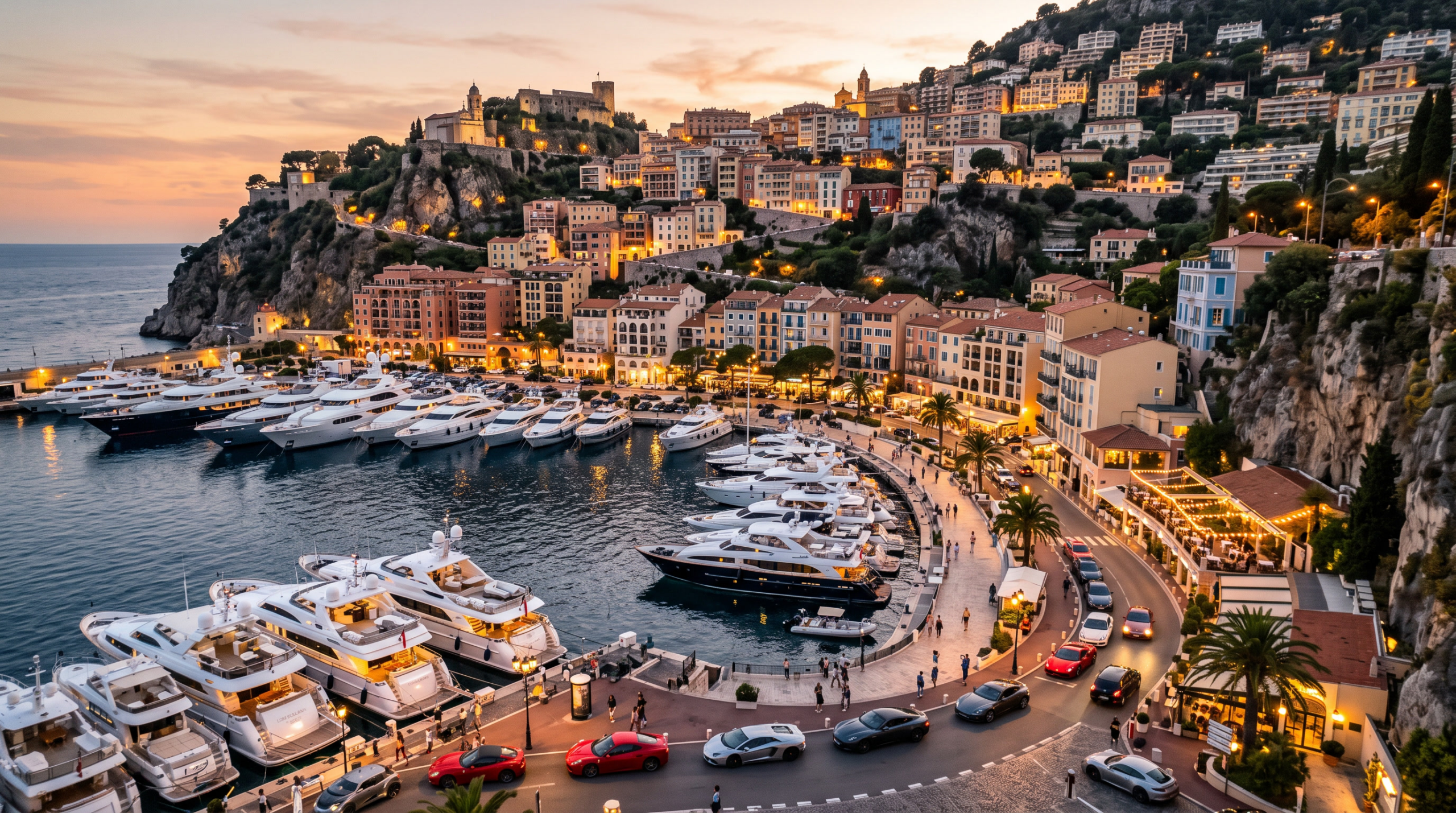
Dubai has grown its millionaire population 102% in a decade. Illustrative rendering.
What Actually Makes a Supercar Capital
Four ingredients decide which cities become supercar capitals, and money is only the first. Scored against all four, the supercar capitals sort themselves very differently from the usual list.
City
Wealth
Climate
Roads
Display culture
What it is best at
Dubai
Rising fast
Excellent
Wide and new
Maximal
Best all-round
Monaco
Extreme density
Good
Tight, constrained
High
Peak concentration
Los Angeles
Very high
Excellent
Canyons
High
Best for driving
Miami
Moderate
Excellent
Good
Maximal
Best for spectacle
London
High but falling
Poor
Congested
Seasonal, imported
Best for six weeks
New York
Highest on earth
Poor
Hostile
Discreet
Most owners, least visible
Tokyo
Very high
Moderate
Good
Very discreet
The great hidden fleet
Wealth figures from Henley & Partners; the other columns are our own assessment. Reasonable people will disagree about the last one, which is rather the point.
The column that decides everything is the last one. Wealth is distributed far more evenly across the supercar capitals than street presence is, and the difference between New York and Miami is not money — Manhattan has more of it. It is whether arriving somewhere loudly is socially rewarded or quietly judged.
What Happened to Moscow
Older lists of supercar capitals — including ours — included Moscow. That entry has not aged well, and the reason is worth stating plainly rather than quietly deleting.
In 2022 Ferrari suspended exports to Russia and Lamborghini put its business there on hold. The European Union subsequently banned the export of cars worth more than EUR 50,000. The official supply of new exotic cars into Russia closed.
Cars still arrive, routed through third countries, and that circumvention is now an enforcement story rather than a car culture one — Poland has issued a record penalty against a firm that exported more than 100 luxury cars onward to Russia, and investigative outlets have traced specific vehicles to sanctioned individuals. Whatever else that is, it is not a destination recommendation, and we are not going to treat it as one.
Where the Next Supercar Capitals Are Coming From
The most useful number for predicting future supercar capitals is not the ranking, it is the growth rate. Over the decade to 2024, the fastest-growing millionaire populations were Shenzhen at +142%, Hangzhou at +108% and Dubai at +102%. The Bay Area managed +98% and finished fourth on that measure.
Two of those three are Chinese, and China is also where the most interesting performance cars are now being built — the BYD-owned Yangwang U9 Xtreme took the electric Nürburgring record in 2025 with over 3,000 PS. A domestic hypercar industry and the world’s fastest-growing wealth base in the same cities is how supercar capitals get made. It took Dubai about twenty years to become one. Shenzhen is moving faster than that.
Whether that translates into the street culture that defines the supercar capitals is the open question, and it is the same question Tokyo answers in the negative. Wealth is necessary. It is not sufficient.
Climate and culture decide whether owned cars become seen cars. Illustrative rendering.
If You Are Going Spotting
Go when, not just where. London’s season runs roughly June to August. Monaco’s peak is Grand Prix week in May. Monterey Car Week is a single week in August. Off-season, all three are ordinary.
Follow the events, not the postcodes. Concours, race weekends and auction previews concentrate more interesting metal into one place than any shopping street will.
Auction previews are the underrated move. Cars unroped, documentation open, and nobody moving you along — for the price of a catalogue.
Be decent about it. These are private cars belonging to people going about their day. Photograph the car, not the occupants; do not touch, do not block, do not chase.
The best spotting is often not in the supercar capitals at all. A good Sunday road an hour outside any wealthy city will show you more cars being driven properly than a week on a famous boulevard.
The Honest Ranking
Of the supercar capitals, if you want the most owners it is New York and the Bay Area, and you will see almost none of them. If you want the highest density, it is Monaco and it is not close. If you want to actually watch these cars being used, it is Los Angeles, Dubai and Miami. And if you want the spectacle at its peak, it is London in July or Monaco in May — for a few weeks, and then it is gone.
Our family has been in the car business for more than a century, and the honest thing to say about supercar capitals is that the good ones are made by weather and culture as much as by money. Money is the easy part. Plenty of very rich cities are extremely boring to look at.
Nobody publishes supercar counts by city, so there is no verified answer. The best available proxy is resident millionaires, where Henley & Partners puts New York first with 384,500, ahead of the Bay Area on 342,400 and Tokyo on 292,300. Those are not the cities where you will see the most supercars, because ownership and visibility are different things.
Which city has the highest concentration of supercars?
Monaco, by a wide margin. More than 40% of its residents are millionaires — the highest ratio of any city on earth — in a principality smaller than New York’s Central Park. Its exotic car population also swells enormously during Grand Prix week in May.
Is London still a supercar capital?
In summer, spectacularly so, but the underlying picture has weakened. London sits sixth for resident millionaires at 215,700 and has lost about 12% of that population over the past decade. Much of its famous supercar season is imported — Gulf owners shipping cars in for a few months and shipping them home again.
Why does Dubai have so many supercars?
Wealth growth plus conditions. Dubai holds 81,200 millionaires, a 102% increase over the past decade, and is projected to double its centi-millionaire population by 2035. Add year-round dry weather, wide modern roads and a culture with no reticence about display, and a high proportion of owned cars end up visible on the street.
Why is Moscow no longer on lists like this?
Because the official supply closed. Ferrari suspended exports to Russia in 2022 and Lamborghini paused its business there, and the European Union subsequently banned exporting cars worth more than EUR 50,000. Cars still reach Russia through third countries, but that is a sanctions-enforcement story rather than a car-culture one.
When is the best time to see supercars in these cities?
Timing matters more than location. London’s supercar season runs roughly June to August, Monaco peaks during Grand Prix week in May, and Monterey Car Week is a single week in August. Outside those windows the same streets are unremarkable. Following events, concours and auction previews beats standing on a shopping street.
Owning an exotic car is not about speed or luxury- It’s about embracing an experience, where the road becomes your canvas and the car, your masterpiece.
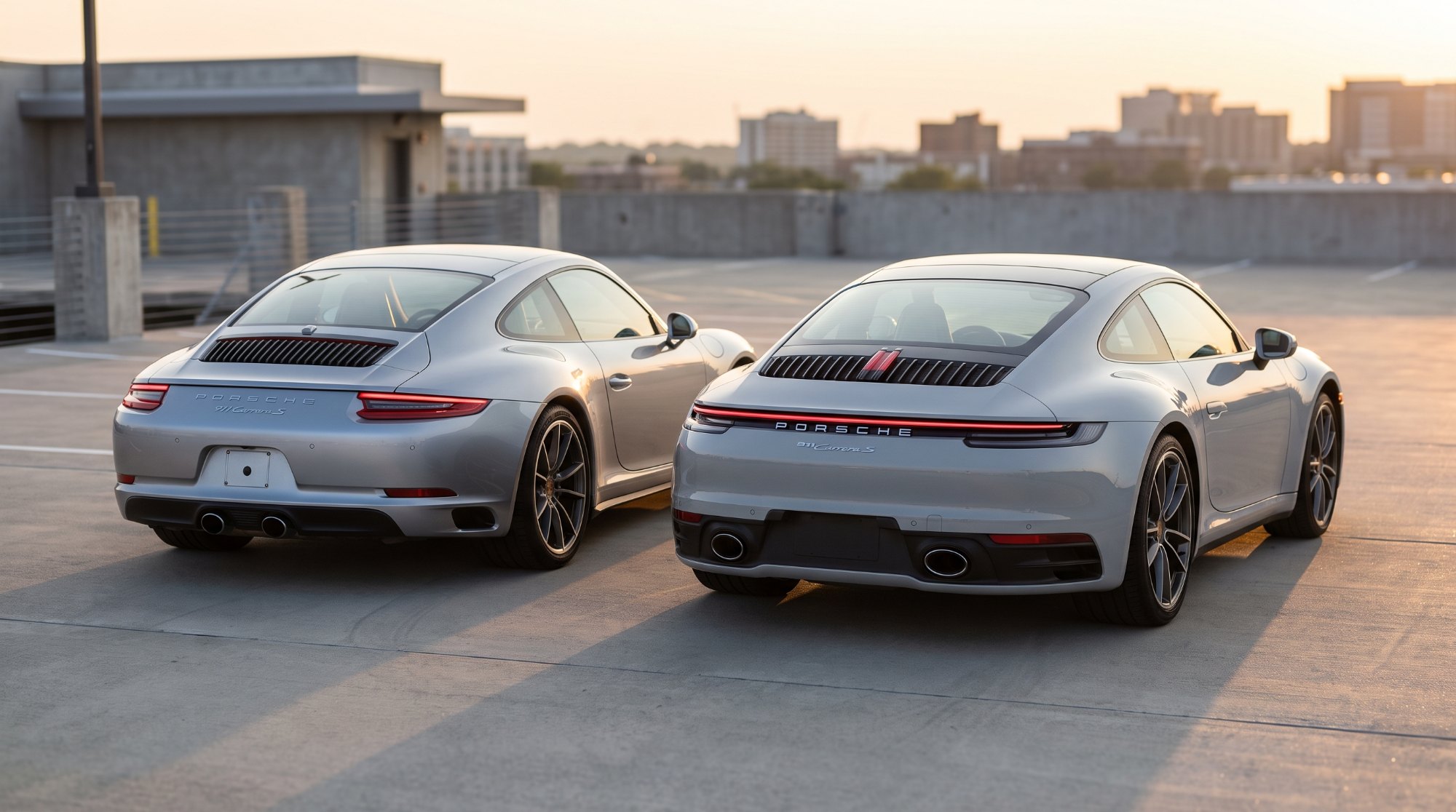
991.2 or 992? A buyer's guide to the used Porsche 911 Carrera decision: transmissions, body styles, options, inspection, warranty, running costs and the real price gap.
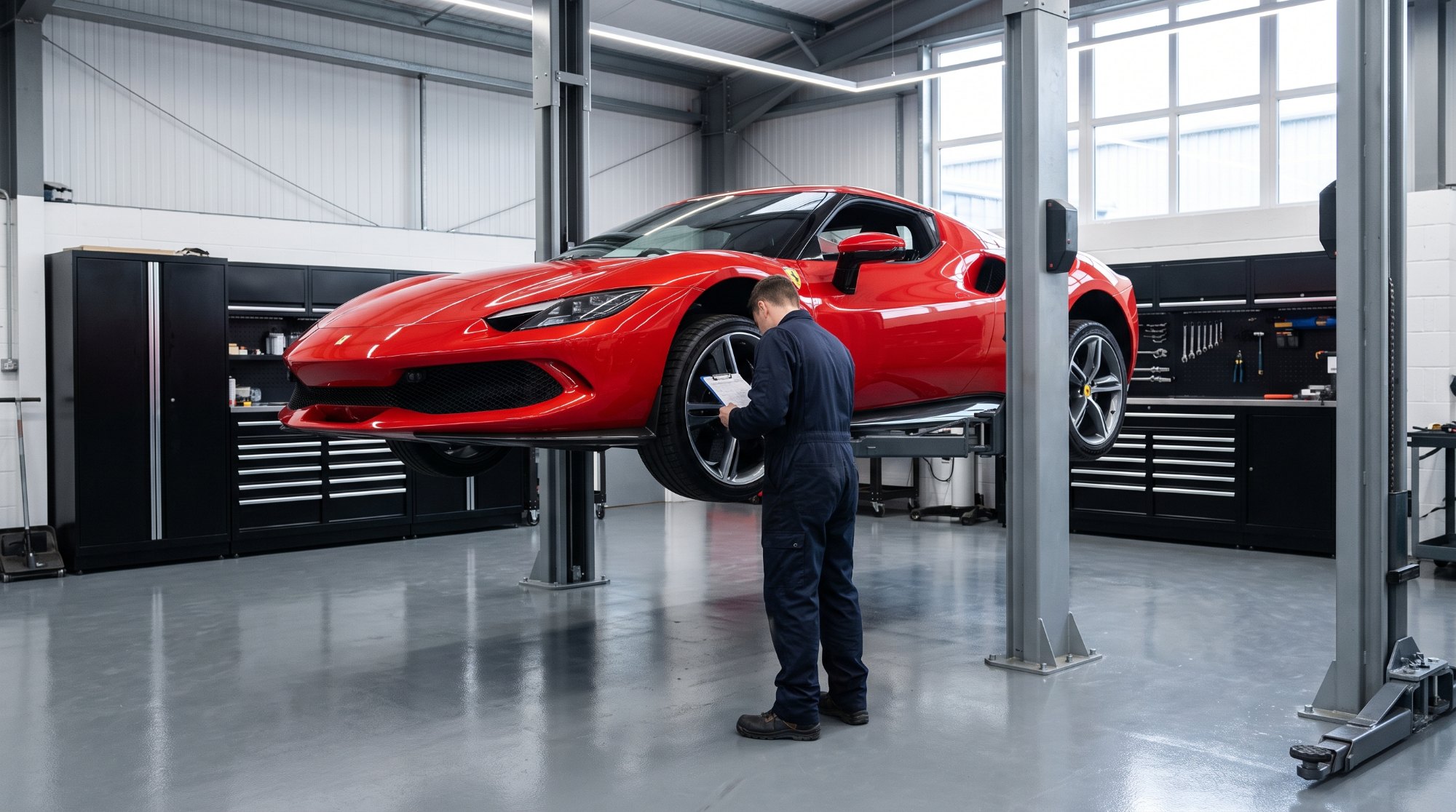
What a real exotic car pre-purchase inspection (PPI) should include: choosing an independent marque specialist, lift checks, paint readings, factory diagnostics, service records, the road test, and how to use the findings before you pay a deposit.
The FTC’s September 2026 pricing FAQs say a car’s advertised price must be one any buyer can pay, on Instagram, marketplaces and dealer sites alike. Here is what that means for exotic and luxury dealers.