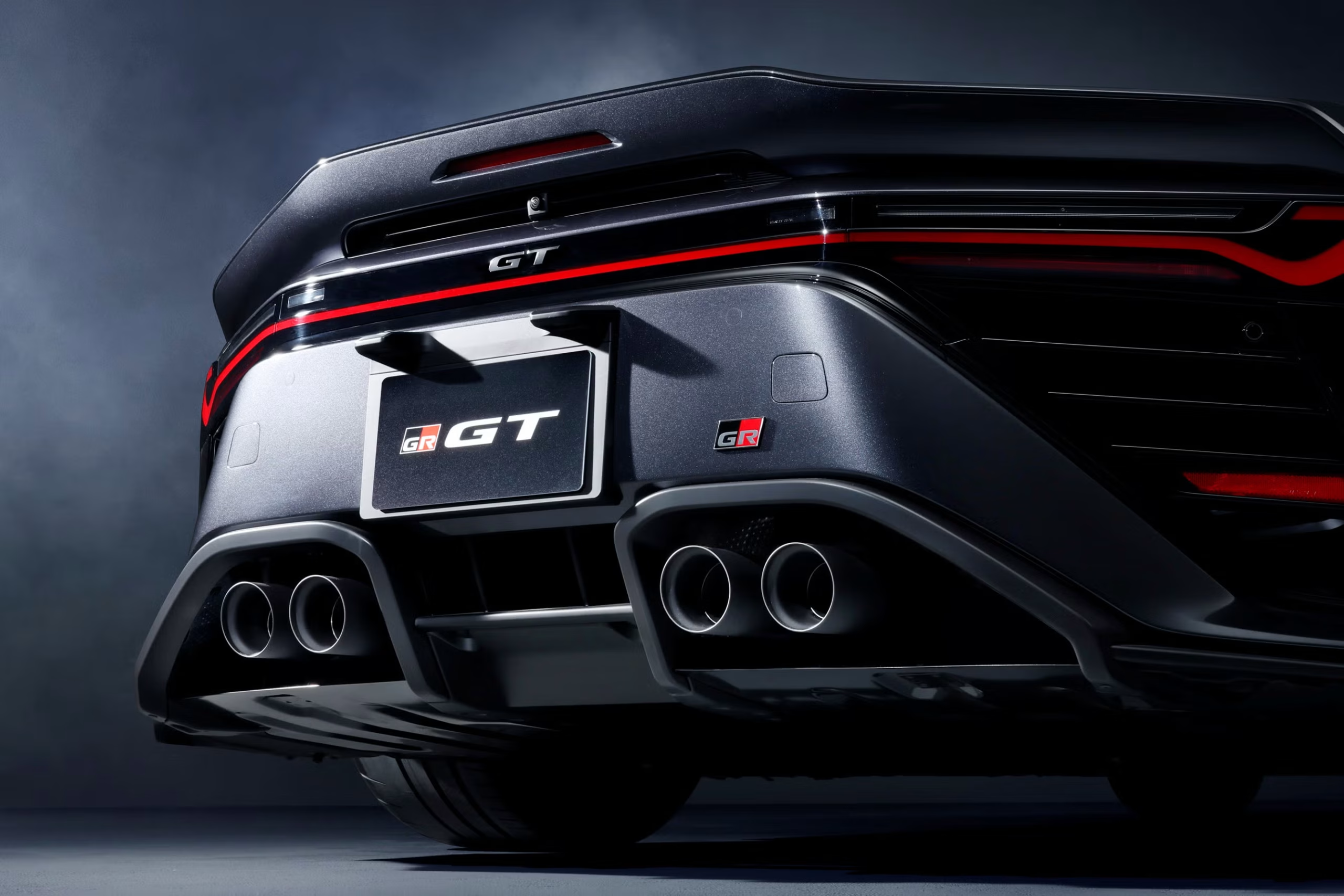
Toyota has not built a car like this since the LFA, and it is not pretending otherwise. The Toyota GR GT arrives with the first twin-turbo V8 the company has ever fitted to a production car, a development target of 650 PS, an expected price around $225,000, and a buying process its own programme director compares to a job interview. In the United States it will be sold through selected Lexus dealers rather than Toyota showrooms. This is not a hot Supra. It is Toyota deciding it wants a seat at the table where Porsche sells GT3s.
Table of Contents
The GR GT introduces a direction where Toyota elevates Gazoo Racing to a standalone supercar identity capable of competing directly with global performance legends.
The Toyota GR GT in 60 Seconds (Quick Answer)
The Toyota GR GT is Gazoo Racing’s new flagship supercar, world-premiered as a prototype on December 5, 2025 alongside its GR GT3 racing sibling. It pairs Toyota’s first production twin-turbo V8 — a 4.0-liter hot-V hybrid — with a rear-mounted 8-speed transaxle for targets of 650+ PS, 850+ Nm, a 320+ km/h top speed, and a sub-1,750 kg curb weight in a front-engine, rear-drive, two-seat GT. Launch is targeted around 2027, with the GR GT3 built for FIA GT3 customer racing.
Official Specifications (Development Targets)
Spec
Toyota GR GT
Engine
4.0L twin-turbo “hot-V” V8 + hybrid motor — Toyota’s first production twin-turbo V8
Power / Torque
650+ PS / 850+ Nm (targets)
Transmission
New 8-speed automatic transaxle, wet-start clutch
Layout
Front engine, rear-wheel drive, 45:55 balance
Top speed
320+ km/h (199+ mph)
Weight
1,750 kg or lower
Dimensions
4,820 mm L × 2,000 mm W × 1,195 mm H, 2,725 mm wheelbase
Launch target
Around 2027
Every number above comes from Toyota’s official world-premiere announcement, where development was led personally by Chairman Akio Toyoda — racing under his alias “Morizo” — in Gazoo Racing’s driver-first, one-team development style.
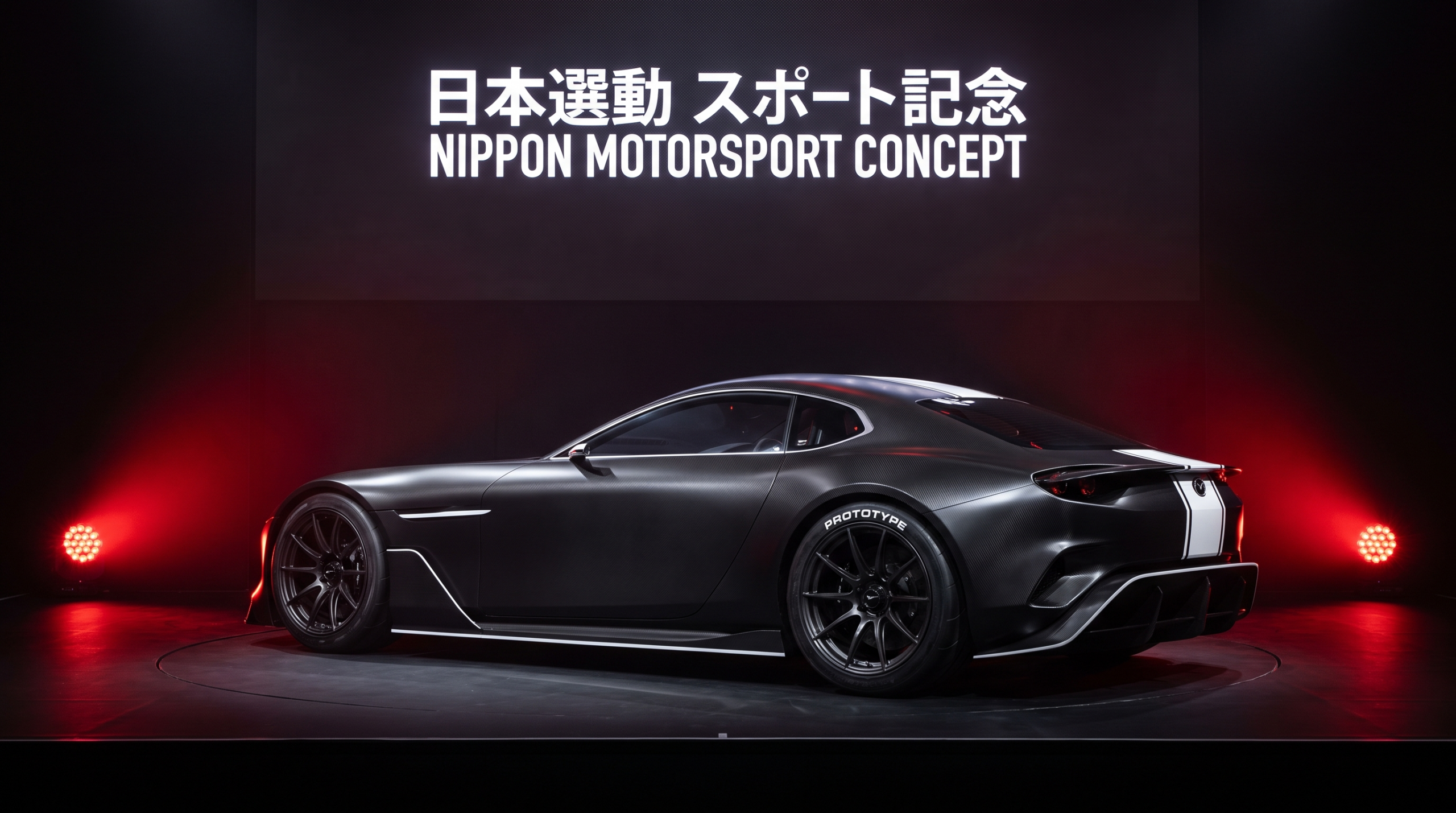
Fifteen years after the LFA, Toyota builds a flagship again. Illustrative rendering.
GR GT Power and Engineering
The Toyota GR GT is expected to feature a performance-focused hybrid powertrain designed to deliver instant response, high output, and consistent acceleration across the rev range. Unlike mass-market hybrids, the GR GT uses electrification for performance advantage rather than fuel economy.
Key engineering areas include:
hybrid-assisted performance powertrain
lightweight body construction
rear-wheel drive configuration
high-rigidity chassis
extreme aerodynamic focus
Toyota has built the GR GT around motorsport philosophy rather than adapting an existing platform.
Hybrid Performance in a Supercar Application
Hybrid technology in the GR GT is centered around electric torque and performance boost. Electric motors support acceleration, enhance low-end power delivery, and create consistent performance throughout high-speed driving.
Expected hybrid benefits for GR GT:
instant torque assist
reduced turbo lag feel
improved initial acceleration
stronger mid-range performance
enhanced traction
Hybrid performance allows the GR GT to enter the modern supercar category with forward-looking engineering that rivals current hybrid exotics.
GR GT Design and Aerodynamics
The Toyota GR GT features a sculpted, race-inspired body that prioritizes downforce, cooling, and stability. The styling is heavily influenced by endurance racing prototypes with aggressive air channels, wide track stance, and a low aerodynamic profile.
GR GT styling expectations include:
functional aerodynamic surfaces
wide performance stance
racing-inspired cooling openings
lightweight exterior components
supercar aerodynamic proportions
This design direction puts the GR GT visually into the exotic supercar segment.
GR GT Identity and Position in the Performance World
The GR GT is the first time Toyota has positioned a Gazoo Racing model as a flagship supercar. This elevates GR from a performance sub-brand into a true supercar manufacturer.
The GR GT establishes Toyota within the global supercar conversation by focusing on:
hybrid performance
motorsport development
exotic construction
high-speed capability
This makes the GR GT the most important GR development to date.
The GR GT3: Racing Homologation Done Right
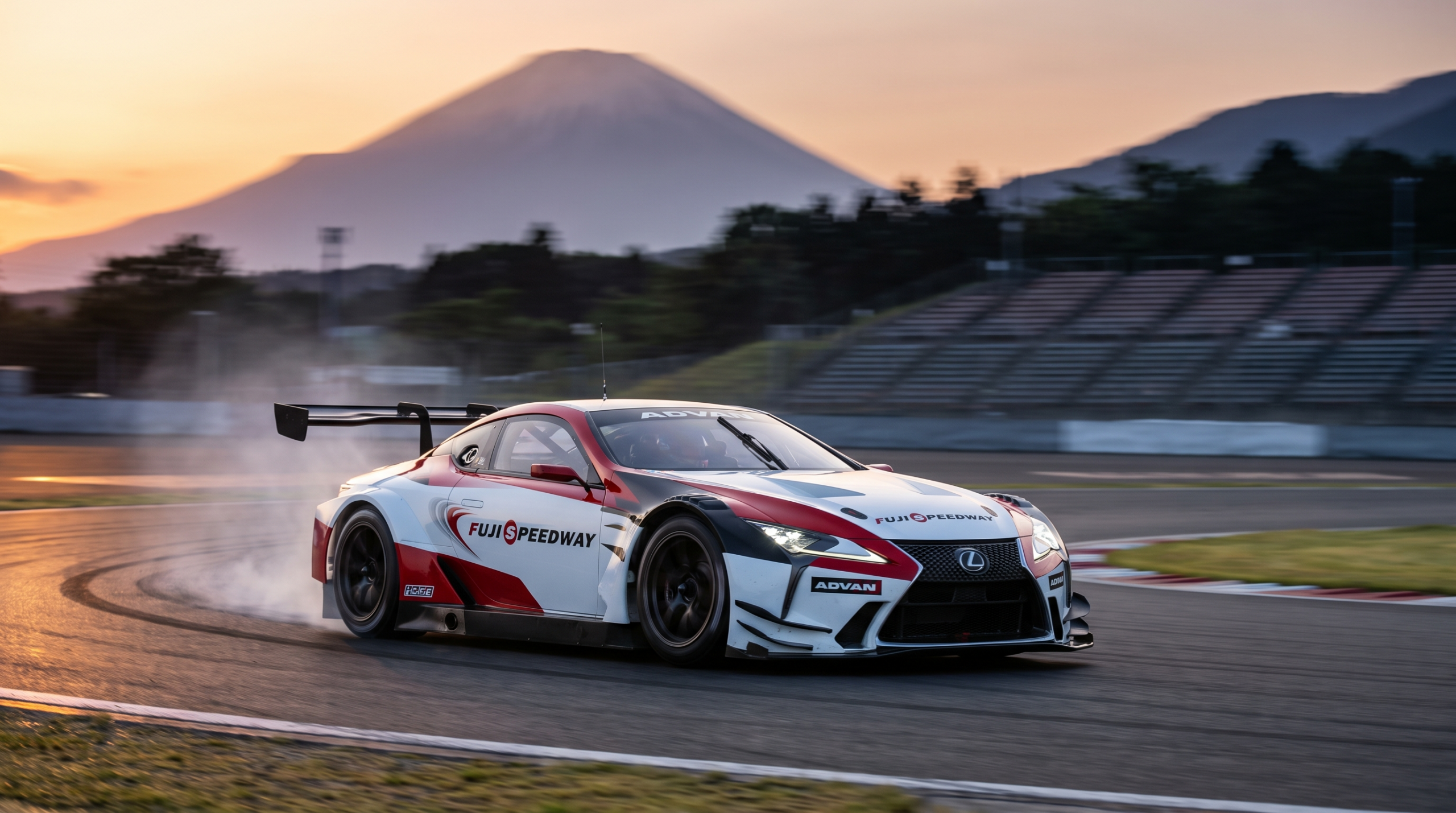
The homologation handshake: what races on Sunday disciplines what ships in 2027. Illustrative rendering.
The road car is only half the announcement. The GR GT3 — revealed alongside it with its own wider, lower body — is aimed squarely at FIA GT3, the top category of customer racing, with Toyota promising an “optimal support system” for the teams who campaign it. That matters for the road car too: GT3 homologation forces honest engineering — real aero, real cooling, real durability — into everything that shares its bones. When the racing version has to survive the Nürburgring 24, the road version stops being a styling exercise.
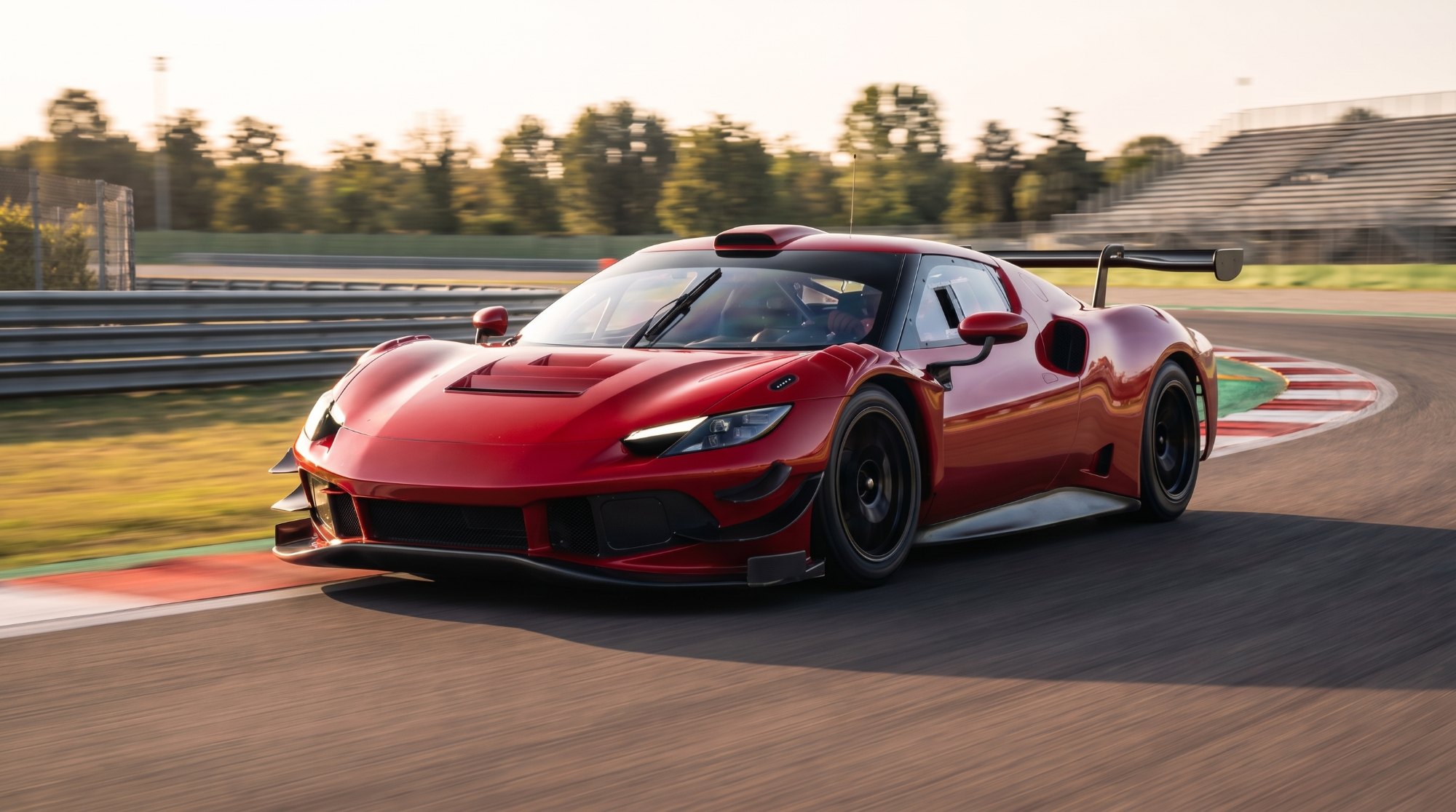
It also signals where Toyota is aiming: straight at the Aston Martin Vantage GT3, Ferrari 296 GT3, and Porsche 911 GT3 R grid. Winning there is how a flagship earns credibility no ad campaign can buy — ask anyone who remembers what Le Mans did for the GR010’s halo.
Why the GR GT Is a Big Deal for the Exotic Market
Read that spec sheet again: front-engine, rear-drive, twin-turbo V8 hybrid, two seats, top-tier racing program. That is the classic recipe of the Ferrari 12Cilindri and Aston Martin Vantage — from the company that builds the Corolla. If Toyota prices the GR GT anywhere below the European establishment (and Toyota being Toyota, it will), the used values of mid-tier European GTs will feel it. Newcomers with racing programs reshape segments; we watched the same dynamic when Dreame crashed the EV hypercar party — except Toyota arrives with 30 years of Gazoo credibility and an LFA in its back catalog.
And that’s the reference that matters. The LFA taught the collector market a permanent lesson: bet against a Toyota halo car at your peril. It sold slowly at $375,000 and now trades near seven figures. Collectors who missed that boat have been waiting fifteen years for Toyota to build another flagship — our advice from a century in this business: when it opens its order books around 2027, documented first-year cars will be the ones to own. The buying process and documentation discipline apply from day one.
The Road to 2027: What Happens Next
Between now and launch, expect the classic Toyota development theater: camouflaged prototypes at the Nürburgring, endurance-race shakedowns (Gazoo loves entering development cars in Japan’s Super Taikyu series), and specs that firm up as “or greater” targets become numbers. The GT3 car will likely hit customer teams’ hands around the road car’s launch. We’ll update this page as milestones land — the same way we track every major debut from Monterey to Tokyo.
How GR GT Fits Into the Exotic Market
The GR GT enters a segment traditionally dominated by European exotic manufacturers. Toyota’s advantage comes from hybrid engineering expertise combined with race-focused development. The GR GT delivers exotic supercar attributes with next-generation electrified performance.
Reasons GR GT matters:
hybrid supercar placement
high-performance credibility
exotic visual presence
technologically advanced powertrain
The GR GT is positioned to attract performance buyers seeking exotic capability with modern hybrid engineering.
Toyota GR GT: Frequently Asked Questions
What is the Toyota GR GT?
The Toyota GR GT is Gazoo Racing’s new flagship supercar — a front-engine, rear-drive two-seater with Toyota’s first production twin-turbo V8 (a 4.0L hybrid hot-V) targeting 650+ PS, revealed as a prototype on December 5, 2025 and launching around 2027.
How much horsepower does the Toyota GR GT have?
Toyota’s official development targets are 650 PS (about 641 hp) or greater and 850 Nm or greater of torque from the 4.0-liter twin-turbo V8 hybrid.
When does the Toyota GR GT come out?
Toyota is targeting a launch around 2027, with the GR GT3 racing version heading to FIA GT3 customer teams on a similar timeline.
Is the Toyota GR GT the new LFA?
Spiritually, yes — it is Toyota’s first true flagship since the LFA, developed under Akio Toyoda’s personal direction. Mechanically it takes a different path: V8 hybrid grand tourer rather than screaming V10 coupe.
How much will the Toyota GR GT cost?
Toyota has not announced pricing. Given the LFA precedent and the GT3 program, expect flagship pricing — and if history repeats, strong collectibility for early documented cars.
Owning an exotic car is not about speed or luxury- It’s about embracing an experience, where the road becomes your canvas and the car, your masterpiece.
991.2 or 992? A buyer's guide to the used Porsche 911 Carrera decision: transmissions, body styles, options, inspection, warranty, running costs and the real price gap.
What a real exotic car pre-purchase inspection (PPI) should include: choosing an independent marque specialist, lift checks, paint readings, factory diagnostics, service records, the road test, and how to use the findings before you pay a deposit.
The FTC’s September 2026 pricing FAQs say a car’s advertised price must be one any buyer can pay, on Instagram, marketplaces and dealer sites alike. Here is what that means for exotic and luxury dealers.