Car clubs never went away. What changed is that the word stopped meaning one thing. A free coffee meet in a supermarket car park, a national marque organisation with six-figure membership, a track day outfit that sells you instruction by the day, and a private motorsport country club with a six-figure joining fee are all called car clubs, and they have almost nothing in common except cars and a mailing list.
This is a guide to what actually exists, what each kind costs, what the membership numbers really say about whether the scene is growing, and how to work out which one is worth your money. It is not a nostalgia piece. The interesting story in car clubs right now is that the free end and the paid end are moving in opposite directions, and there is a specific reason why.
The free end of the scene. Cars and coffee is where most people meet their first car club.
Table of Contents
Quick Answer: Are Car Clubs Growing?
Yes, and the paid end is growing fastest. Hagerty Drivers Club finished 2025 with 929,895 paid members, up 6.2% on the year before. The Porsche Club of America has more than 150,000 members and calls itself the largest single-marque club in the world. The Sports Car Club of America describes itself as the largest amateur motorsports club in the United States with 65,000-plus members. Meanwhile free public meets are under pressure from behaviour and liability problems, and several have gone invitation-only. Car clubs are not fading; they are stratifying into free, paid and private tiers.
The Numbers Behind the Comeback
Most writing about car clubs runs on vibes. It does not have to — several of the biggest organisations publish real figures, and one of them is a listed company that has to.
Organisation
Reported membership
What it tells you
Hagerty Drivers Club
929,895 paid members at 31 Dec 2025, up from 875,822
+6.2% in a year, and these are people paying for it
Porsche Club of America
More than 150,000
Single-marque clubs still carry enormous scale
Sports Car Club of America
65,000-plus
Competition participation is a smaller, committed core
Membership figures as published by each organisation. Hagerty’s are audited, from its full-year 2025 results; the other two are the organisations’ own public statements.
The Hagerty number is the one to weigh, because it is the only one in that table subject to financial reporting standards and because those members pay. Membership and other revenue was $82.4 million for 2025. Fifty-four thousand people joined a paid car club in a single year, in a market where nobody has to.
The Six Kinds of Car Club
Almost every argument about car clubs happens because two people are talking about different categories. Here they are, separately.
1. Cars and coffee and local meets
Free, weekly or monthly, usually early on a Saturday, usually in a car park that someone has quietly agreed to lend. No membership, no dues, no vetting. This is the entry point to the whole hobby and the format that most people mean when they say car clubs are back.
2. National marque clubs
The Porsche Club of America, BMW Car Club of America, Ferrari Club of America and their equivalents. Annual dues, a magazine, and — the part people underrate — a regional structure that puts a local chapter, a technical inspector and a driver education programme within reach of most of the country. These are the most useful car clubs per dollar for anyone who actually owns the car.
3. Amateur motorsport organisations
The SCCA and similar bodies. Dues plus per-event entry, and in exchange you get autocross, time trials, hillclimbs, rallycross and a path to a competition licence. This is the category where a club is not a social group at all but a sanctioning body.
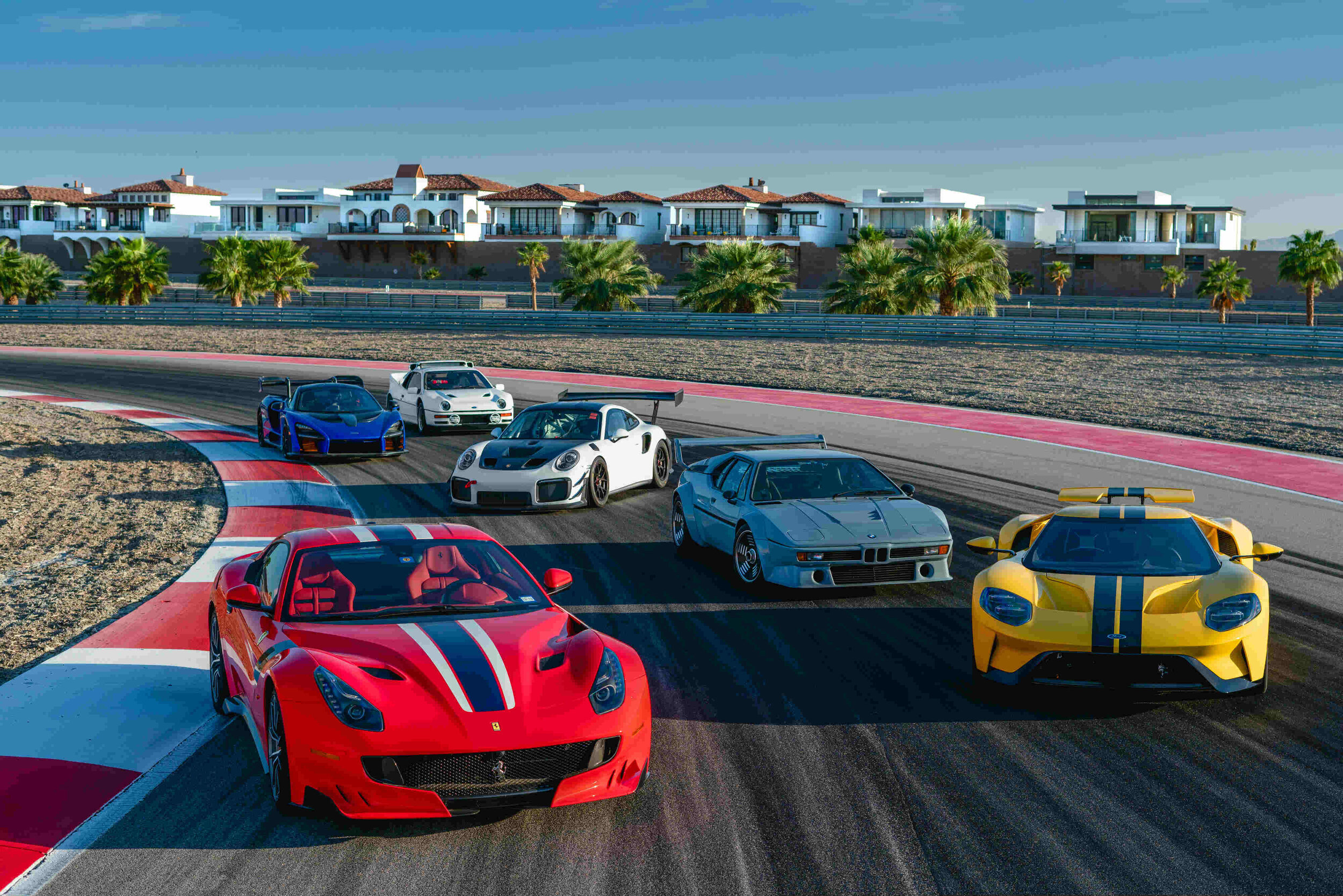
Track-focused car clubs sell seat time and instruction, not social membership.
4. Track day organisations
Often described as car clubs, usually businesses. You pay per day, you get track time in run groups sorted by experience, and on most programmes you get an instructor in the right seat until you are signed off. Some are excellent and some are not, and the difference is entirely in the instruction and the run-group discipline.
5. Drive and lifestyle clubs
The fastest-growing paid category. Curated road drives, hospitality, hotel takeovers, access to events that are otherwise hard to get into, and — the real product — a filtered membership. People pay to be around a specific group of people, and the clubs that understand that is the product tend to do well.
6. Private motorsport clubs and garage communities
The top of the market: a private circuit, garage suites you buy or lease, a clubhouse, and dues on top. CarCollectorsClub.com’s own database counts 374 unique facilities across North America — 335 private car clubs, 43 private tracks and 41 that are both — with Florida, California and Texas leading. The real estate side of this is a subject in itself, and we cover it in our guide to luxury car condos and garage communities.
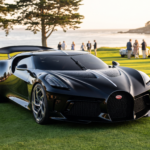
At the top of the market, car clubs sell garage space and a clubhouse as much as they sell driving.
What Car Clubs Cost
Published dues change often enough that quoting a specific club’s price is a good way to be wrong within a year. What holds steady is the shape of the market, so here it is by tier. Check the current number with the club itself before you budget.
The cost structure of car clubs by tier. Ranges, not quotes — confirm current pricing directly with any club before committing.
The Problem Pushing Car Clubs Private
Here is the part that explains the growth of the paid tiers, and most coverage of car clubs skips it.
Free public meets have a structural weakness: they cannot choose who turns up. Houston’s Coffee and Cars, one of the largest meets in the country, banned Mustangs, Camaros and Chargers in November 2023 after burnouts and revving at a gathering, including footage of a Charger doing a donut in an intersection with spectators standing nearby. The organisers were blunt about the arithmetic — they hire security, staff the event and publish the rules, and “a minority still chooses to behave in a manner that endangers others.” They warned that if it continued, future events would go invitation-only.
That is the whole dynamic in one story. A free meet has no membership to revoke, so its only tools are banning entire model lines or closing the doors. Both are terrible options, and both push the people who just want to look at cars toward something with a gate on it.
So the growth of paid car clubs is not really about luxury. It is about enforcement. When you pay dues, the club can take them away, and that single fact changes the behaviour in the car park more than any amount of signage.
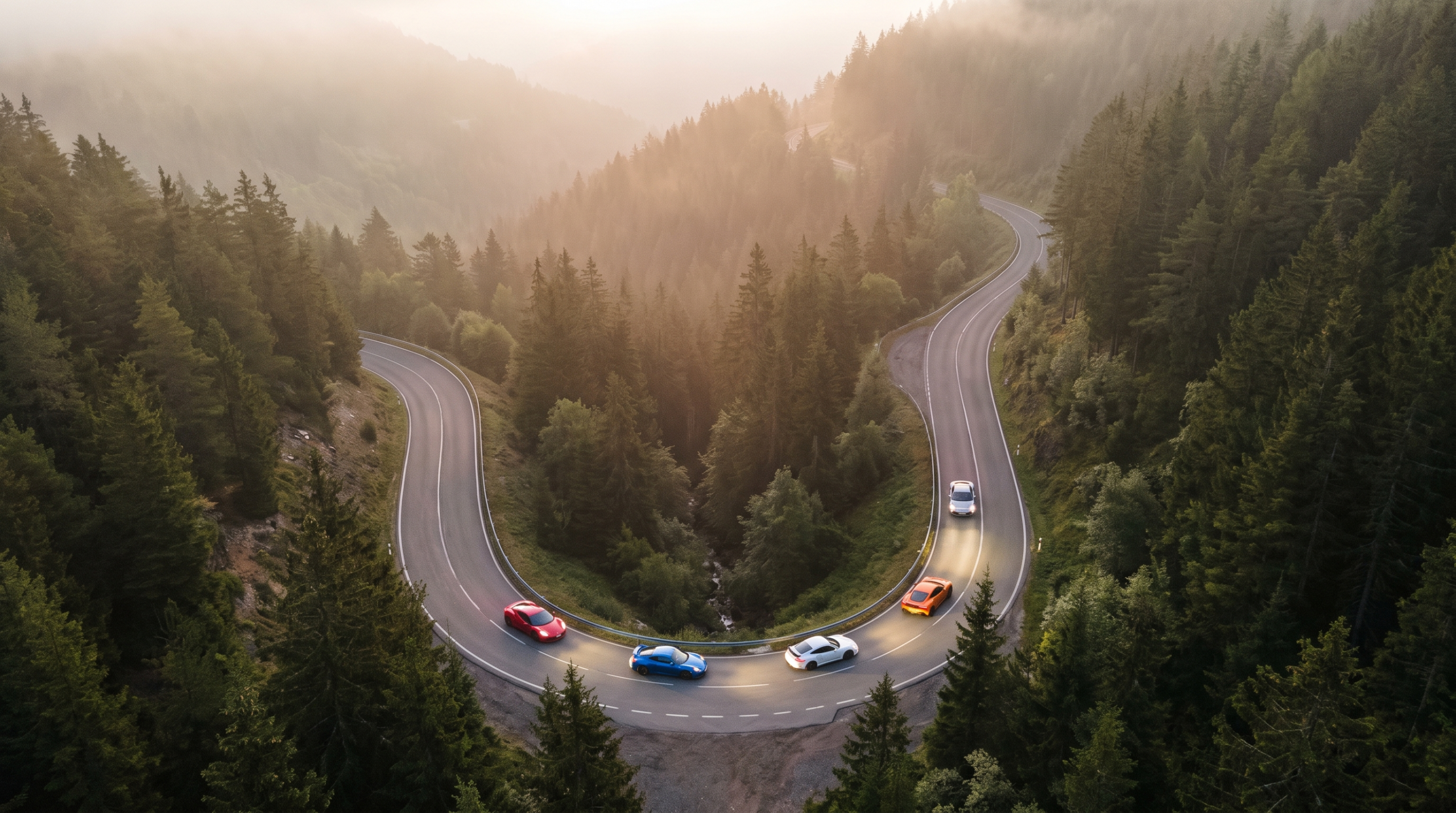
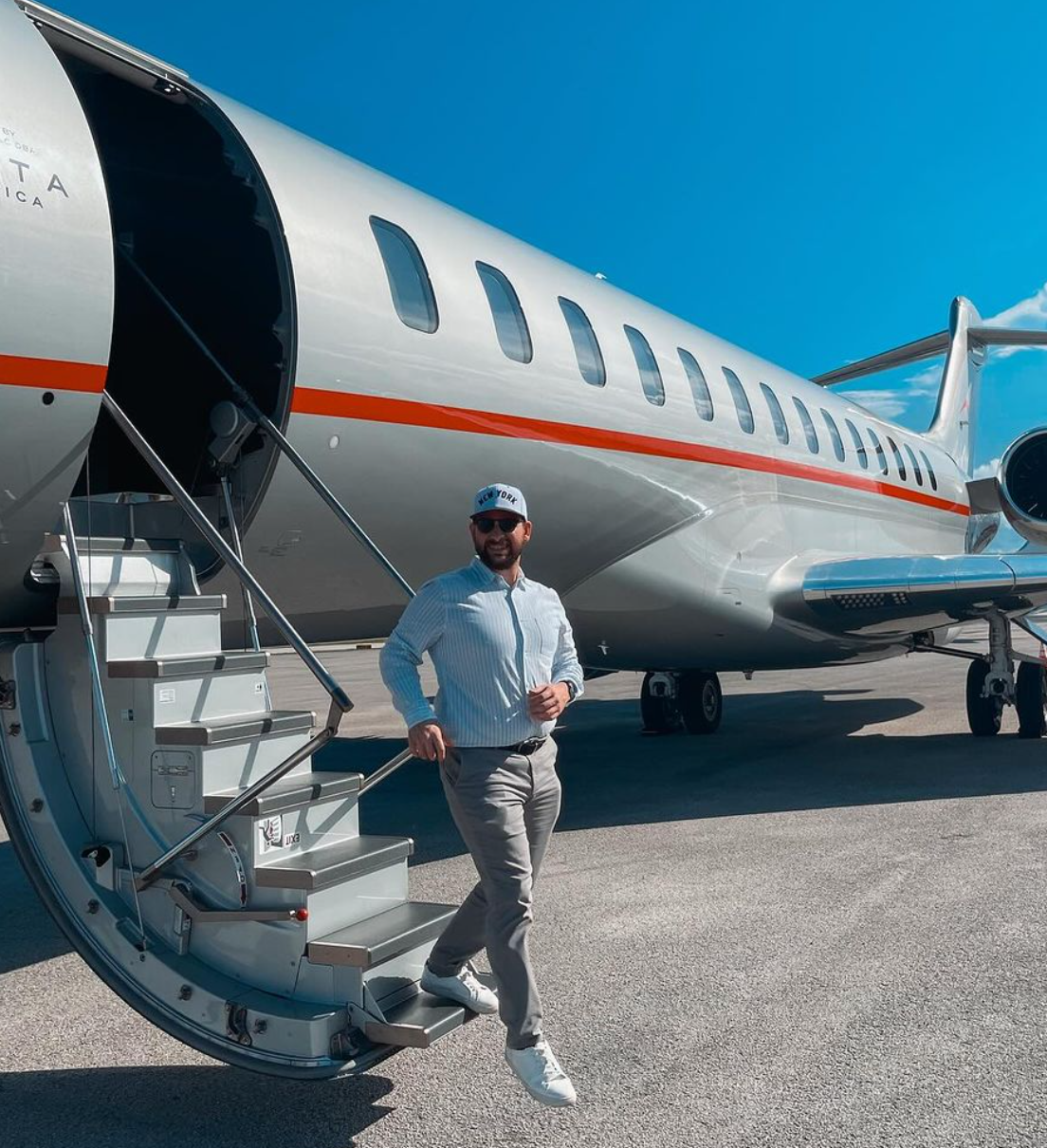
A curated drive. The paid tier of car clubs sells filtered membership as much as it sells the route.
How to Choose a Car Club That Is Worth It
Go once before you pay. Nearly every club will let you attend something as a guest. Any club that will not is telling you something.
Count the events, not the benefits list. Discount partnerships and a magazine are nice. What you are actually buying is how many times a year you will use it. Divide the dues by that number.
Ask who runs the driving. For anything on a circuit, ask who the chief instructor is, how run groups are assigned, and what gets you black-flagged. Good car clubs answer immediately and in detail.
Check the insurance position. Standard policies routinely exclude timed or competitive events, and some exclude any track use at all. Confirm in writing before the first session, not after.
Look at the age of the membership. A club with no members under forty has a succession problem that will become your problem in five years.
Judge the calendar in the off-season. Any club can fill a July weekend. The ones worth joining have something happening in February.
Beware the paper club. A large social media following is not a club. Ask how many events ran last year and how many people came to the smallest one.
Car Clubs When the Car Is Worth Six Figures
Above a certain value the calculation changes, and the standard advice stops applying.
Parking becomes a risk, not a detail. At a large open meet an uninsured door is a real cost. Curated car clubs control spacing and access, and for a lot of owners that alone justifies the dues.
Storage is often bundled. Garage-based clubs solve two problems at once, which is why they command the prices they do.
The factory clubs are a separate world. Manufacturer-run owner programmes are not joinable in the normal sense — the car is the application — and participation can influence how you are treated on future allocation.
Provenance benefits are real. Long-standing marque club membership, concours participation and documented event history all show up in the file when you sell. Our collector car documentation guide covers what actually carries weight.
Events are where the private market happens. A meaningful share of high-end cars change hands between people who met at a club event. That is also true at the top of the calendar — see our Monterey Car Week guide.
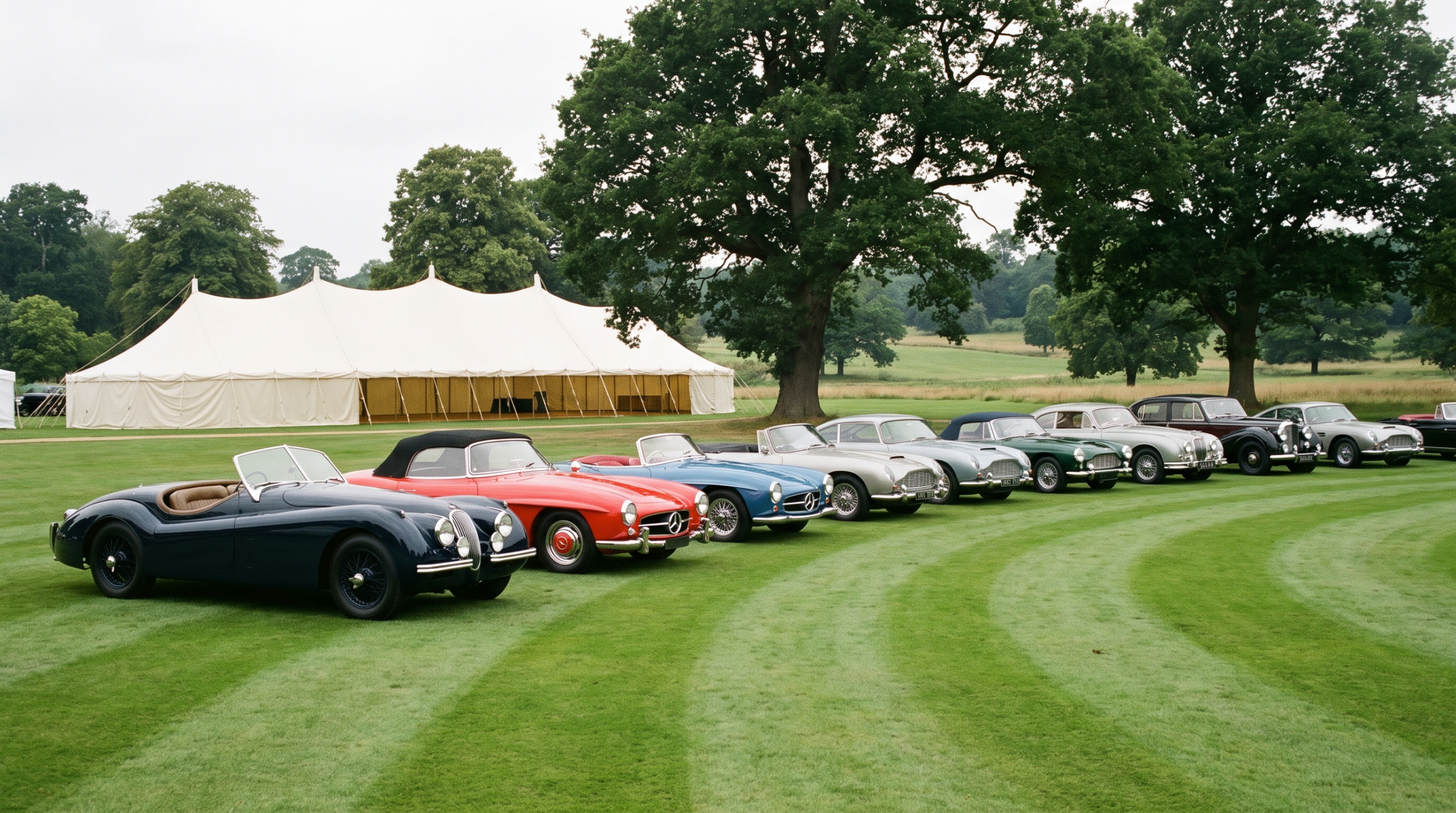
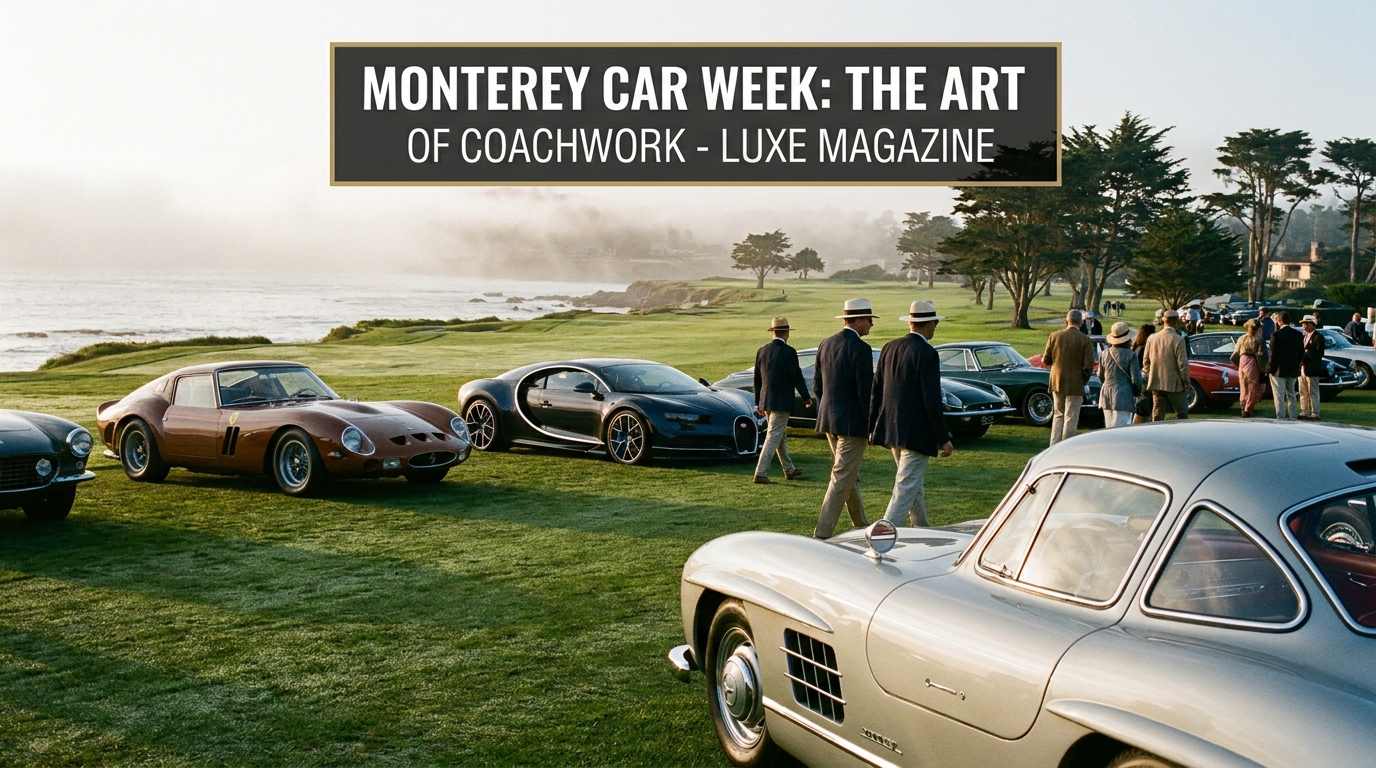
Marque car clubs still run the concours and show calendar that documents these cars over decades.
If You Would Rather Start One
Most car clubs that last were started by someone who could not find the one they wanted. A few things that separate the ones that survive their second year from the ones that do not.
Pick a date and never move it. First Sunday of the month, same place, in every weather. Consistency beats promotion.
Get the venue on side before the first meet. The property owner is the single point of failure for every free meet in the country.
Write the rules down before you need them. No revving, no burnouts, walking pace in the lot, and a stated consequence. Publish it, and enforce it the first time rather than the fifth.
Decide early whether you are free or paid. Trying to be both is what kills clubs. Free means open and unfiltered; paid means you owe members something specific.
Sort insurance and permissions properly the moment you organise anything on a public road or a circuit.
And Yes, We Are Building One
Our family has been in the car business for more than a century, and one thing has stayed constant across all of it: the cars are the excuse, and the people are the reason. So we are building a club of our own — ExoticCarClub.com — around the kind of ownership this page describes.
It is not open yet, and we are not going to pretend otherwise or take your money early. When it launches we will say what it costs, what you get and who it is for, in plain language, on this site. If you would like to hear first, get in touch and we will let you know. In the meantime, everything above applies to the clubs that already exist — go to one this month.
The Honest Verdict
The comeback is real but it is not evenly distributed. Free meets are as popular as they have ever been and structurally more fragile than they have ever been. Paid car clubs are growing because they can do the one thing a free meet cannot, which is decide who belongs. And the private end is growing because for a certain kind of owner it solves storage, security and social life in a single line item.
None of that is a reason to spend money you do not want to spend. The best car club for most people is still a free one, twenty minutes away, on a Saturday morning. Start there. If you outgrow it, the paid tiers will still be there — and you will know exactly what you are looking for.
The paid ones demonstrably are. Hagerty Drivers Club grew to 929,895 paid members by the end of 2025, an increase of 6.2% and more than 54,000 people in a single year. The Porsche Club of America has over 150,000 members and the SCCA more than 65,000. Free public meets remain enormously popular but are under pressure from behaviour and liability problems, so the growth is concentrated in car clubs that charge and can therefore filter.
How much do car clubs cost to join?
It depends entirely on the tier. Cars and coffee meets are free. National marque clubs generally charge modest annual dues, usually under $100. Amateur motorsport bodies charge dues plus per-event entry. Track day organisations charge by the day, from a few hundred dollars upward. Drive and lifestyle clubs run from hundreds to low thousands a year, and private motorsport clubs with circuit and garage access ask five to six figures to join plus annual dues.
What is the largest car club in the world?
For a single marque, the Porsche Club of America says it is the largest in the world, with more than 150,000 members. By overall paid membership, Hagerty Drivers Club is far bigger at close to 930,000 members, though it functions as a membership programme attached to an insurance and valuation business rather than a traditional enthusiast club.
Do I need an expensive car to join a car club?
No, and this is the most common misconception about car clubs. Cars and coffee meets have no requirements at all. Amateur motorsport organisations are built around ordinary cars — autocross is dominated by hatchbacks and used sports cars. Only marque clubs (which require the marque) and private motorsport or garage clubs (which are expensive by design) have a real barrier.
Why are some car meets banning certain cars?
Because a free meet cannot revoke a membership it never sold. When behaviour becomes a liability, the only levers available are excluding whole categories of vehicle or closing to the public. Houston’s Coffee and Cars banned Mustangs, Camaros and Chargers in November 2023 following burnouts and revving, and warned that continued problems would make future events invitation-only. This is the main reason car clubs with dues and vetting are growing.
What should I check before paying to join a car club?
Attend once as a guest first. Count how many events you would realistically attend in a year and divide the dues by that number. For anything on a circuit, ask who runs the instruction and how run groups are assigned. Confirm in writing whether your insurance covers the activities involved, because many policies exclude timed or track events. And look at the off-season calendar — the car clubs worth joining have something happening in February.
Owning an exotic car is not about speed or luxury- It’s about embracing an experience, where the road becomes your canvas and the car, your masterpiece.
What owning a Lamborghini actually involves: how allocation really works, the five-year maintenance programme, real clutch and service bills, insurance, values and Polo Storico.
How buyers can verify window stickers, build sheets, owner’s manuals and factory records before purchasing a rare, exotic or classic car — including Ferrari Classiche, Porsche CoA and marque archive programs.
Monterey Car Week explained: every event in the ten days, which are free and which are not, the confirmed 2027 dates, and what the 2026 edition actually produced.
Bugatti’s one-off Destrier debuts during Monterey Car Week 2026 with a 1,578-hp quad-turbo W16, Bolide bones, and a $20M+ price tag. Full story, specs, and FAQ.