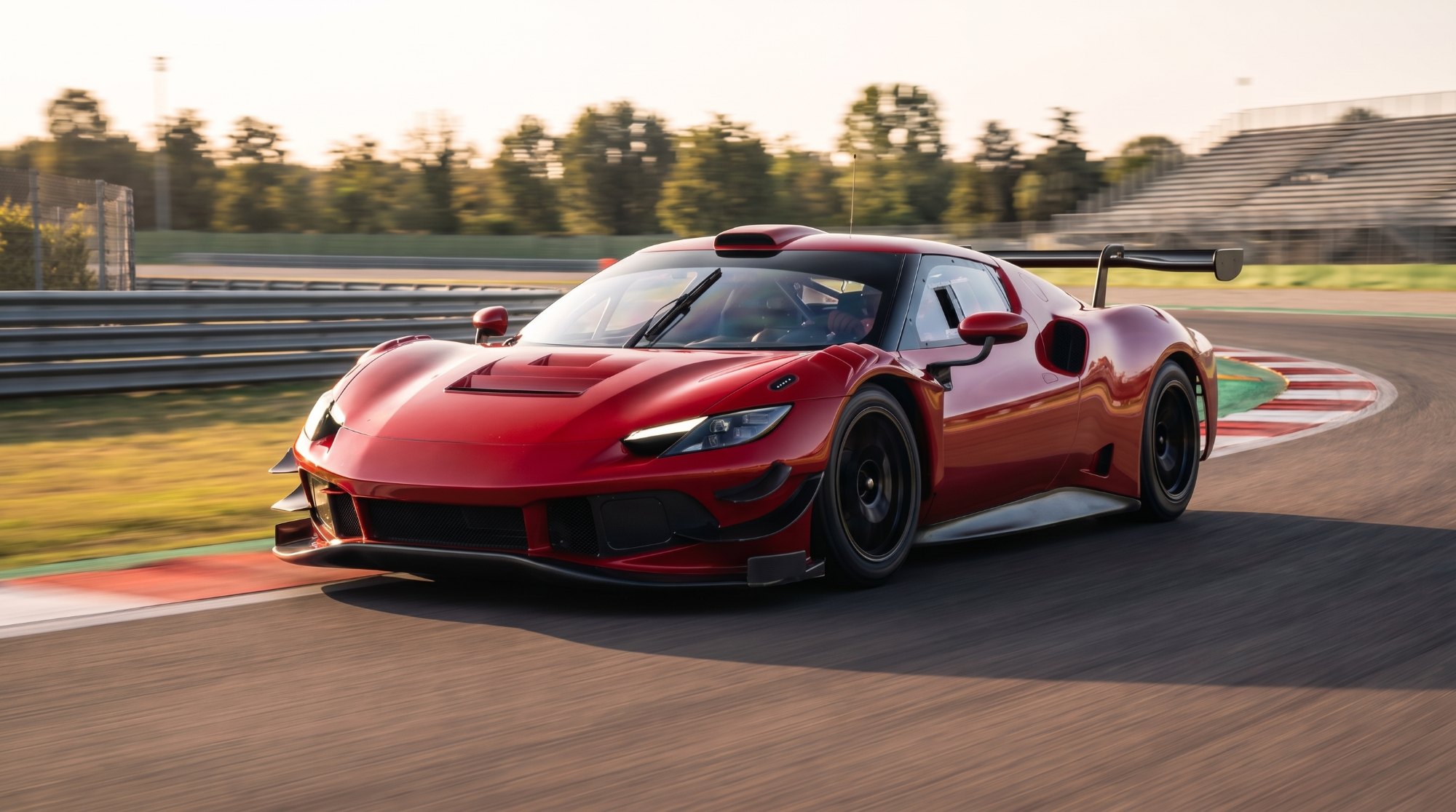
In April 2025, Jaguar sold 49 cars in the whole of Europe. Not 49 of a model — 49 cars, across every showroom on the continent, down from 1,961 the April before. If you saw that number without context you would assume you were watching a 90-year-old marque die in real time.
You were watching something stranger. Jaguar had stopped selling cars on purpose, and the Jaguar relaunch is what the gap was for. It killed its entire model range, closed its order books, and asked its dealers to sit through roughly a year with nothing new to sell, all to clear the decks for an electric relaunch. Then, halfway through that gap, something happened that nobody planned at all.
Quick Answer: What Happened to Jaguar?
Jaguar deliberately stopped selling new cars while it retooled as an electric-only brand, which is why sales fell around 46% and Europe recorded 49 cars in April 2025. The Jaguar relaunch centres on a four-door electric GT based on the Type 00 concept, revealing in 6 October 2026 from about $130,000, with up to 770 km of claimed range and a tri-motor powertrain making 735 kW. In between, a September 2025 cyberattack shut JLR’s factories for roughly a month, cost £196 million directly and pushed the company to a £485 million quarterly loss.
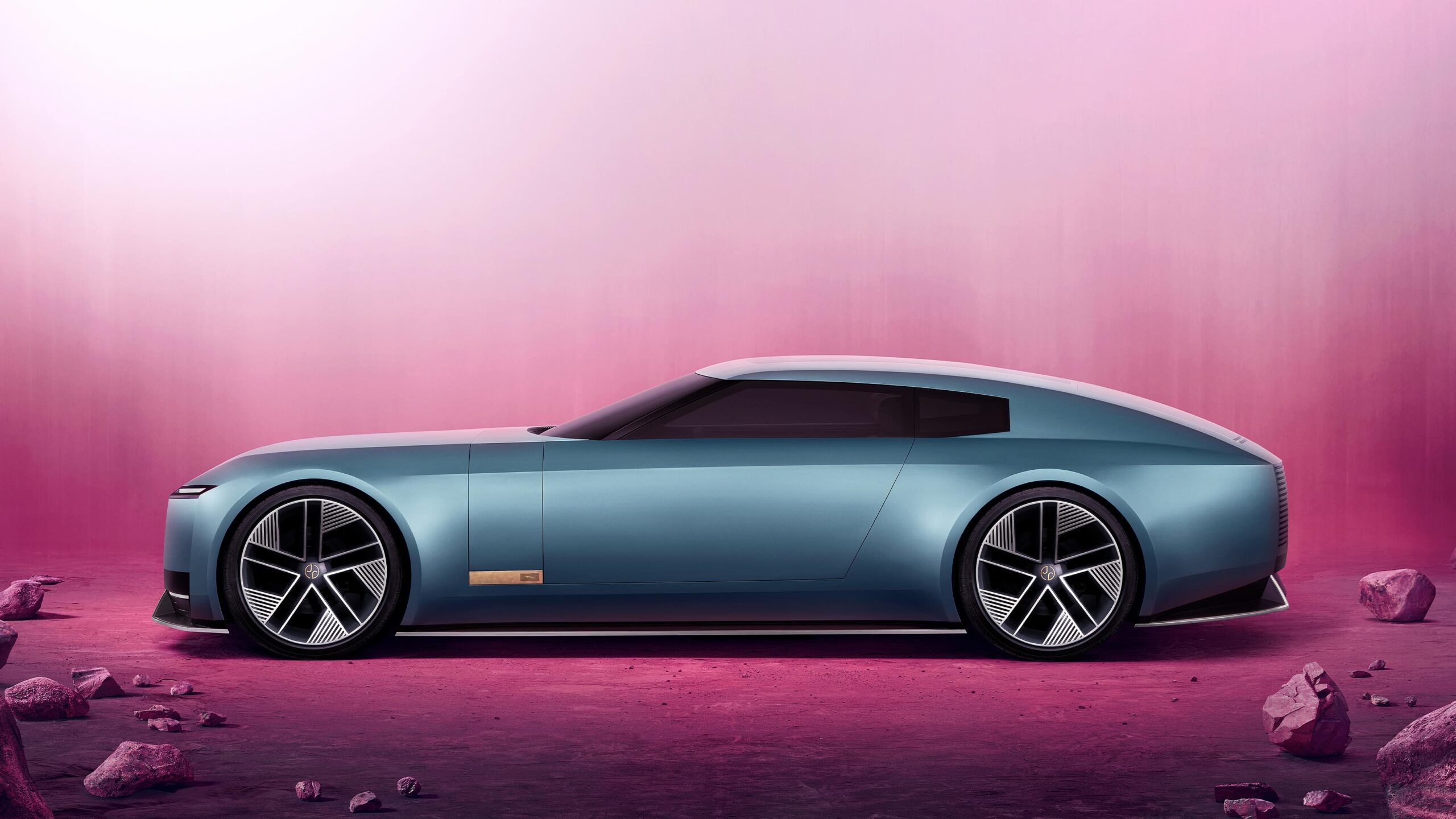
Jaguar asked its dealers to sit through roughly a year with nothing new to sell. Illustrative rendering.
Table of Contents
The Rebrand Nobody Stopped Arguing About
Before the sales figures, there was the launch film. In November 2024 Jaguar introduced its new identity under the line “Copy Nothing” — a bright, fashion-styled campaign with no car in it at all — and followed it with the Type 00 concept in vivid pink. The internet did what the internet does. Very little of the commentary was about strategy; almost all of it was about the colour and the absence of a car.
Two things are worth separating here, because the Jaguar relaunch has been judged mostly on the wrong one. The marketing was a deliberate provocation aimed at an audience Jaguar did not yet have, and provocations are supposed to annoy the incumbent audience — that is the mechanism. Whether it was good provocation is a fair argument. Whether it tells you anything about the cars is not, because there were no cars in it.
The strategy underneath was always the more serious question: abandon the middle of the market, stop competing with BMW and Mercedes on volume, and reposition several tiers up as a low-volume design-led brand. A Jaguar relaunch on those terms is a genuinely defensible plan, and it is the plan the Jaguar relaunch is actually executing. The pink car was one photograph. The withdrawal of an entire model range was the real commitment.
What the backlash did change, on the evidence of the teasers, is the production car itself. The GT’s rear appears considerably more restrained than the concept’s, which suggests somebody at Gaydon read the room. That is not a climbdown — concepts are always toned down for production — but the direction of travel is clear enough.
The Sales Collapse Was Part of the Jaguar Relaunch
The numbers from the year before the Jaguar relaunch are genuinely spectacular, and they mean the opposite of what they look like.
Measure
Figure
Global sales, March 2024 – March 2025
26,862 units
Year-on-year decline
45.8%
Q1 2025 global sales
7,070 units, down 47.7%
April 2025 sales across Europe
49 vehicles, from 1,961 a year earlier
New cars available to UK buyers
None, for roughly a year
Jaguar’s sales collapse ahead of the relaunch. The decline is almost entirely supply, not demand — the cars were withdrawn from sale.
Jaguar retired the XE, XF, F-Type, I-Pace and E-Pace and ended new car sales in the United Kingdom entirely. You could not buy a new Jaguar in its home market at any price, because there were none to sell. A brand cannot report normal sales figures when it has removed its products from the market, and reading that decline as customers walking away misses what actually happened.
Credit where it is due: the earlier version of this article, published in June 2025, called it “a collapse by design” and got that exactly right. What it could not know was what the following eighteen months would do to the Jaguar relaunch.
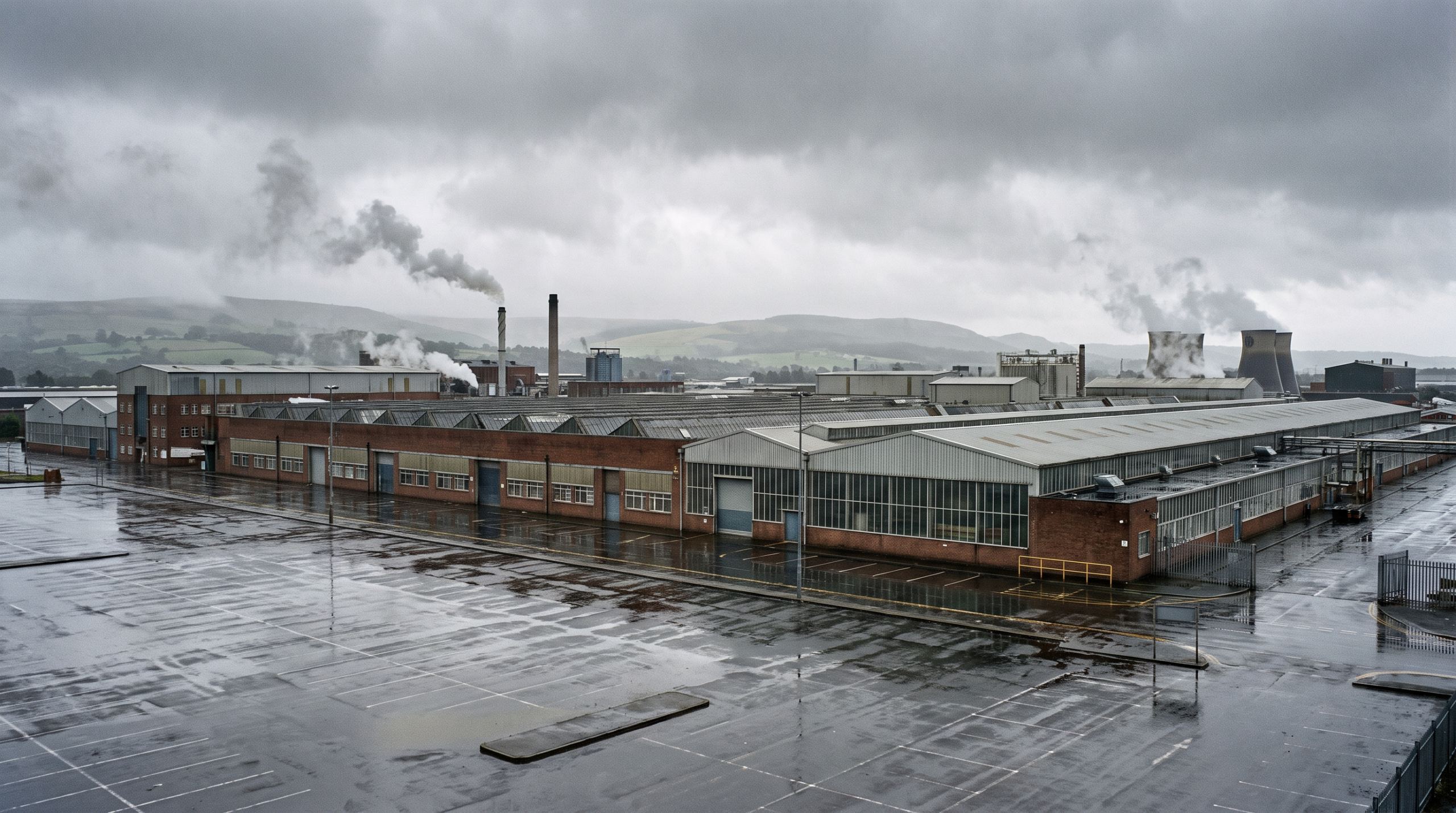
A deliberate production pause became an involuntary one in September 2025. Illustrative rendering.
Then the Jaguar Relaunch Hit Something Nobody Planned
In early September 2025, Jaguar Land Rover shut its own systems down in response to a cyberattack. Production stopped. It did not fully restart until 8 October — roughly a month with the factories dark, in the middle of a transition that already had the company running on no Jaguar revenue.
£196 million in direct cyber-related costs in the quarter, alongside £42 million of voluntary redundancy costs.
A £485 million quarterly loss for the three months to 30 September 2025, against a £398 million profit in the same quarter a year earlier. First-half revenue fell 16% to £11.5 billion.
A £1.5 billion UK government loan guarantee to stabilise the supply chain, protecting around 34,000 direct employees and some 120,000 jobs across the wider automotive sector.
The Bank of England cited it as a factor in weaker-than-expected UK GDP growth in Q3 2025. Estimates of the cost to the British economy run to around £1.9 billion.
Dealers could not register cars and parts supply was disrupted, so the damage reached well beyond the assembly lines.
It is worth sitting with the scale of that for a moment, because it reframes the whole Jaguar relaunch. A single intrusion at one carmaker moved a national GDP figure and required a government guarantee to hold the supply chain together. Whatever you think of the Jaguar relaunch, the company spent its transition year absorbing a shock that had nothing to do with the strategy at all.
Roughly a month of dark factories, a £196 million bill and a government loan guarantee. Illustrative rendering.
And the Tariff Arrived Too
JLR named US tariffs alongside the cyberattack when it explained that quarter, and both land on the Jaguar relaunch. Britain negotiated the best deal any exporter got — 10% on the first 100,000 vehicles a year, against 15% for the EU and Japan and 25% for everyone without an agreement — but 10% on a car you build in Britain and sell in America is still 10%.
That matters more than usual here, because Managing Director Rawdon Glover has said Jaguar expects the United States to be the biggest market for the new electric GT. The Jaguar relaunch is therefore built on selling a British-made car, at volume, into a market that taxes it on arrival, from a quota shared with every other UK manufacturer. Our guide to how the car tariffs actually work sets out that quota and what happens if it fills.
The Car the Jaguar Relaunch Was All For
Here is what the Jaguar relaunch is actually buying. The production car derived from the Type 00 concept — a four-door grand tourer named Type 01 — is confirmed for a 6 October 2026 reveal in New York, with orders opening at launch and deliveries following shortly after.
Specification
Confirmed
Body
Four-door grand tourer
Powertrain
Tri-motor electric, more than 1,000 PS (735 kW) and over 1,300 Nm
Drive
All-wheel drive with all-wheel steering as standard
Claimed range
Up to 770 km (Type 00 concept, WLTP — no production figure published)
Suspension
Adaptive air suspension with twin-valve dampers
Platform
Jaguar Electric Architecture
Starting price
Around $130,000 (estimate — Jaguar has not confirmed a price)
Reveal
6 October 2026
What Jaguar has said about the Type 01 so far. Power and torque are stated as minimums; range and price are not confirmed. Figures are manufacturer claims ahead of the reveal.
735 kW is roughly 986 horsepower, which makes this comfortably the most powerful road Jaguar ever built — a sentence that would have sounded absurd next to an XJ220 a few years ago. The teasers also suggest the production car has been toned down considerably from the concept, particularly at the rear. Given how much of the 2024 backlash was aimed at the concept’s styling and the pink launch car rather than at the strategy, that is probably wise.
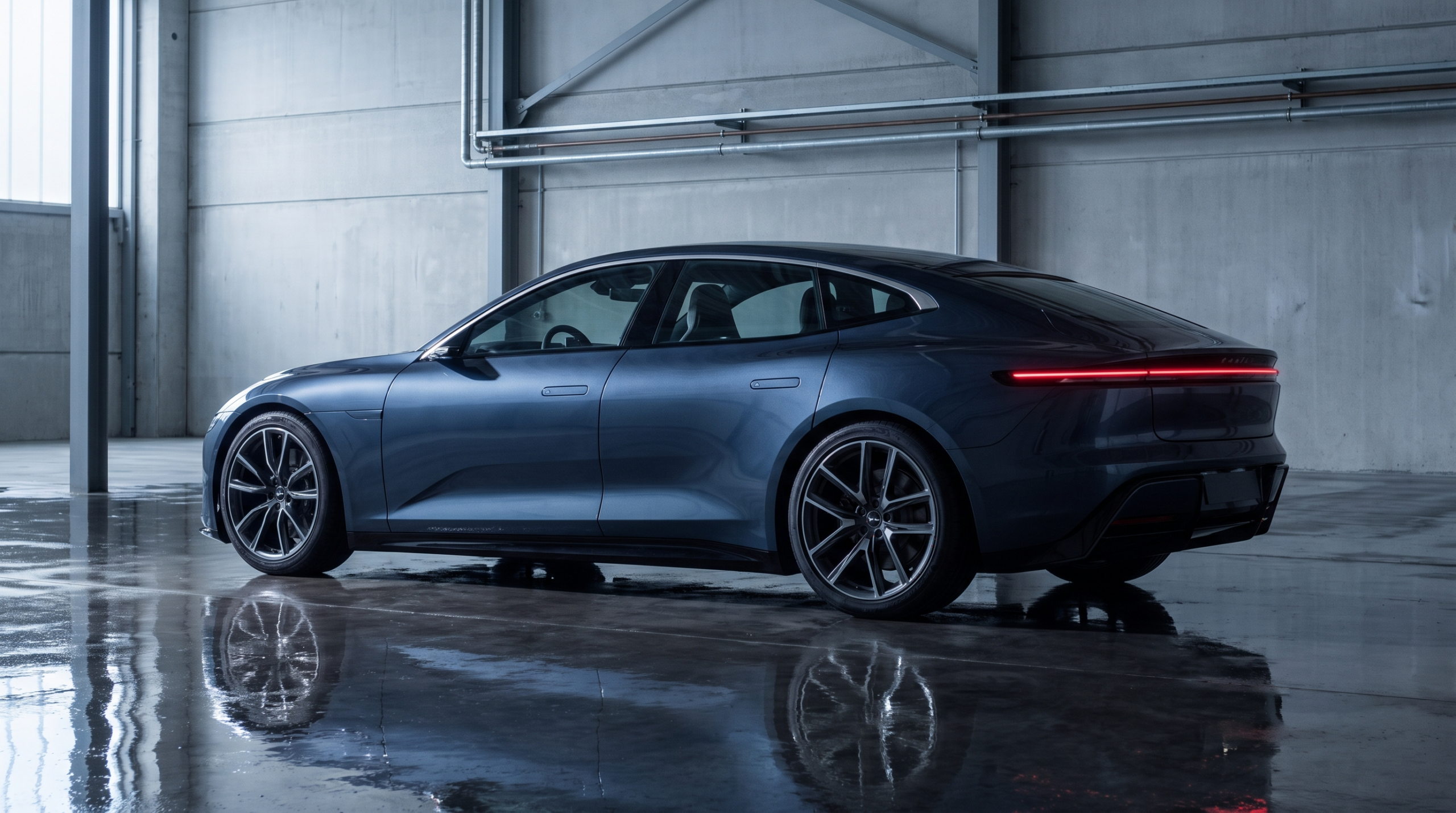
A four-door electric GT, around 986 hp, revealing 6 October 2026. Illustrative rendering.
The Jaguar Relaunch, in Order
When
What happened
November 2024
“Copy Nothing” identity launched; Type 00 concept revealed in pink
Late 2024 – 2025
XE, XF, F-Type, I-Pace and E-Pace retired
April 2025
49 Jaguars sold across the whole of Europe
2025
New Jaguar sales end in the UK; global sales down 45.8%
September 2025
Cyberattack; JLR shuts systems down and production halts
8 October 2025
Production restarts after roughly a month
Q2 FY26
£485m quarterly loss; £196m cyber costs; £1.5bn UK government loan guarantee
6 October 2026
Jaguar Type 01 revealed in New York; order books open
Two years of the Jaguar relaunch. The deliberate steps and the unplanned one are easy to tell apart in hindsight.
Can the Jaguar Relaunch Work?
We are a dealer, not a bookmaker, so here is the case for and against the Jaguar relaunch, both ways.
For: Jaguar was losing money selling cars nobody bought against German rivals who out-engineered and out-sold it in every segment. Doing nothing was not a strategy. Moving upmarket to a $130,000 four-door GT puts it in a thinner, richer part of the market where a distinctive design and a genuine badge count for more than volume ever did. And the brand equity is real — few marques could disappear for a year and still have people arguing about them.
Against: the Jaguar relaunch bets on electric demand at exactly the moment the rest of the industry is hedging. Rolls-Royce abandoned its 2030 all-electric pledge, Porsche ruled out an electric 911 through 2030, and Spectre sales fell 47% in 2025. Jaguar has no combustion fallback and no hybrid bridge — it went all in on the one thing everyone else has been quietly walking back. Add a US market that taxes its cars on arrival and a dealer network that has spent a year with empty showrooms, and the margin for error is thin.
The honest answer is that September’s reveal tells you very little about whether the Jaguar relaunch works and the order book tells you everything. Watch what happens in the six months after launch, not the applause on the night. Our look at how electric performance cars have actually fared is the wider context for that bet.
What the Jaguar Relaunch Means for Values
The Jaguar relaunch matters most, for our readers, in what it does to existing cars. This is the part that matters if you own one or are thinking about buying, and it is the part almost nobody writes about.
When Jaguar retired the F-Type, it ended something. That car was the last combustion Jaguar sports car, and unless the strategy reverses completely there will not be another — the supercharged V8 versions in particular are now a closed set with a known ending. The same logic that has been kind to naturally aspirated Ferraris and manual Porsches applies here: scarcity plus a definitive last-of-line story is what makes a modern classic, and the F-Type has both.
Last-of-line matters more than mileage. The final V8 F-Types have the strongest story of anything Jaguar made this century.
Documentation matters more when a marque is in flux. Service records and provenance carry more weight when the manufacturer’s future support is a question mark. Our documentation guide covers what to insist on.
Parts and support are the live risk. A company recovering from a cyberattack and a full model-range transition is not the company you want to be relying on for an obscure trim part. Ask specialists, not the brochure.
Do not confuse the Jaguar relaunch sales collapse with a collapse in values. They are different markets. The used Jaguar market has its own dynamics and the withdrawal of new supply is not automatically bad for it.
Wait for the GT’s residuals before drawing conclusions. A $130,000 electric four-door from a brand mid-reinvention is exactly the kind of car where early depreciation is unpredictable in both directions.
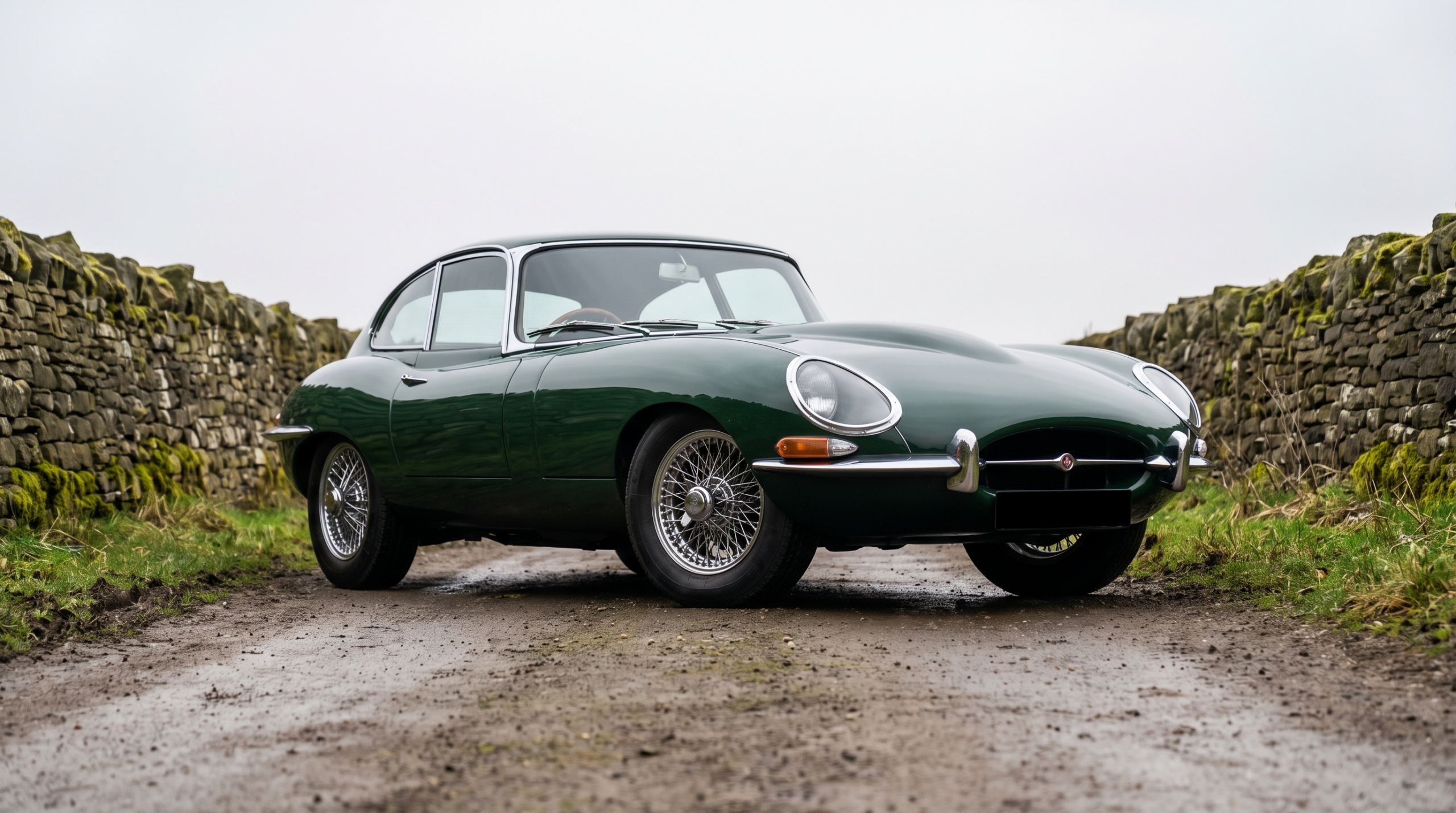
Jaguar has done reinvention before, and the last one produced the E-Type. Illustrative rendering.
The Long View
Our family has been in the car business for more than a century, which is long enough to remember that Jaguar has done this before. The company that built the XK120 was a motorcycle sidecar firm. The company that built the E-Type had just been through a decade of financial trouble. Reinvention is not new here; it is close to the house style, and the Jaguar relaunch is the fourth or fifth act of it.
Whether the Jaguar relaunch works, we will know by about this time next year. What we can say now is that the sales figures everyone panicked about in 2025 were the least interesting part of the story, and the cyberattack that nobody predicted did far more damage to the Jaguar relaunch than the strategy everybody argued about.
Because Jaguar withdrew its cars from sale. It retired the XE, XF, F-Type, I-Pace and E-Pace and stopped selling new cars in the UK entirely while it retooled as an electric-only brand. Global sales fell 45.8% and just 49 cars were sold across Europe in April 2025, down from 1,961. That is a supply decision, not customers leaving.
What is the new Jaguar car?
A four-door electric grand tourer derived from the Type 00 concept, badged Type 01, confirmed for a 6 October 2026 reveal in New York. Jaguar quotes a tri-motor powertrain producing 735 kW and 1,300 Nm, all-wheel drive with all-wheel steering as standard, adaptive air suspension and up to 770 km of claimed concept range, at an estimated $130,000.
What happened with the Jaguar Land Rover cyberattack?
JLR shut its systems down in early September 2025 after a cyberattack and production did not fully restart until 8 October. It cost £196 million directly in the quarter, contributed to a £485 million quarterly loss, prompted a £1.5 billion UK government loan guarantee for the supply chain, and was cited by the Bank of England in weaker UK GDP growth.
Can you buy a new Jaguar right now?
Not in most markets. Jaguar ended new car sales while it transitions, leaving dealers with roughly a year and no new product. That changes when the Type 01 is revealed on 6 October 2026, with orders opening at launch and deliveries following shortly after.
Is the Jaguar relaunch risky?
Yes, and deliberately so. Jaguar has no combustion fallback and no hybrid bridge at a moment when Rolls-Royce has dropped its 2030 all-electric pledge and Porsche has ruled out an electric 911 through 2030. It is also betting on the United States as its biggest market while UK-built cars pay a 10% tariff on arrival.
Will the F-Type become a collectible?
It has the two ingredients that usually matter: it is the last combustion Jaguar sports car, and the supercharged V8 versions are now a closed set with a definitive ending. Last-of-line status and scarcity are what have driven values for naturally aspirated Ferraris and manual Porsches. Documentation and service history matter more than usual while the marque is in transition.
Owning an exotic car is not about speed or luxury- It’s about embracing an experience, where the road becomes your canvas and the car, your masterpiece.
991.2 or 992? A buyer's guide to the used Porsche 911 Carrera decision: transmissions, body styles, options, inspection, warranty, running costs and the real price gap.
What a real exotic car pre-purchase inspection (PPI) should include: choosing an independent marque specialist, lift checks, paint readings, factory diagnostics, service records, the road test, and how to use the findings before you pay a deposit.
The FTC’s September 2026 pricing FAQs say a car’s advertised price must be one any buyer can pay, on Instagram, marketplaces and dealer sites alike. Here is what that means for exotic and luxury dealers.